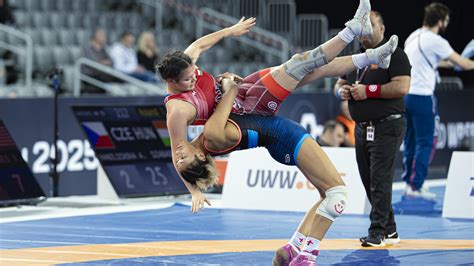
Anyone who has watched pro wrestling or practiced amateur wrestling is familiar with the suplex. The suplex is a classic wrestling move that has been a staple of pro wrestling and amateur wrestling for many years. Most of the general public is aware of suplexes due to the exposure from pro wrestling. Let’s go over the history of the suplex and how it became one of the most-known moves in the world. Read below to learn about the move’s history in wrestling and details for executing basic suplexes.
The move consists of one wrestler picking up his or her opponent off the ground (or mat) and then using a large portion of his or her own body weight to drive the opponent down on the mat. Nearly all suplexes have the attacker going down to the mat with the opponent landing on his or her back.
Here we will delve into the details of the belly-to-back suplex, exploring its mechanics, variations, and significance in the world of wrestling.
History of the Suplex
The suplex has been a part of amateur wrestling for centuries. Ancient wrestling cultures such as in Greece, India, Africa, China, and Japan likely contributed to the technique’s evolution. In modern amateur wrestling, suplexes are some of the most high-impact techniques that can be executed. In modern pro wrestling, the suplex gained popularity as a dramatic and impactful move. Suplexes have always been used since the first pro wrestling shows took place in the early 20th century. One of the pro wrestlers, who is credited for popularizing the use of suplexes in modern pro wrestling is Karl Gotch.
During his career, pro wrestling commentator Gordon Solie used the soo-play pronunciation (as has the AWA's Rod Trongard and Terry Taylor), but almost all other pro wrestling talent pronounces it soo-plecks; this suggests the two names define the same kind of move.
Read also: High Risks in Backyard Wrestling
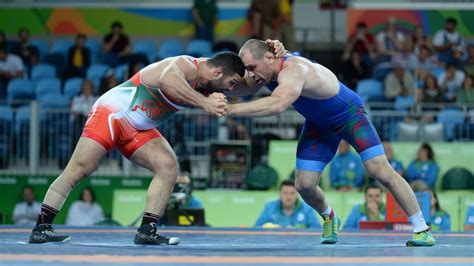
Variations of Suplexes
As mentioned above, there are numerous variations of suplexes used within pro wrestling.
- German Suplex: Named after Karl Gotch, the German suplex is a belly-to-back variation of the move.
- Belly-to-Back: The belly-to-back suplex variation is similar to the German style with a few variations. With a belly-to-back, a wrestler can lift their opponent over their head or shoulder.
- Belly-to-Belly: The belly-to-belly variation is done by a wrestler controlling the front of their opponent’s body.
- Exploder Suplex: This variation is characterized by its explosive lifting motion.
- Fisherman’s Suplex: In this variation, the wrestler hooks their opponent with one arm and wraps the other arm around their head.
Wrestling features many different varieties of suplexes. In these suplexes, the wrestlers begin by facing each other, the attacking wrestler then applies a Front facelock to the opponent before executing a throw. In most cases, the opponent is suspended upside-down during part of the move.
Other Suplex Variations:
- Fisherman's Suplex: Also spelled as a fisherman's suplex and also known as a cradle suplex.
- Front Facelock Suplex: A front facelock suplex, which sees the attacker apply a front face lock to his/her opponent, draping the opponent's near arm over his/her shoulder, while the giver falls on to his back and the opponent does a quick front flip bump.
- Superplex: A superplex is a name that comes from the term "super suplex" and refers to any suplex performed by an attacker standing on the second or third rope against an opponent sitting on the top rope or top turnbuckle.
- Falcon Arrow: More commonly known as a Falcon Arrow, as named by Hayabusa, this sees an attacker apply a front facelock to the opponent and drapes the opponent's near arm over their shoulder.
- Sitout Gourdbuster: The attacker applies a front face lock to the opponent and drapes the opponent's near arm over his/her shoulder. The attacker then lifts the opponent into a vertical position, and falls into a sit-out position, driving the face of the opponent into the ground.
- Hanging Suplex: This variation of a vertical suplex, also known as the hanging suplex, standing suplex or stalling suplex, sees the attacking wrestler holds an opponent in the upside-down position at the peak of the arc for several seconds before completing the maneuver, thereby (in kayfabe) causing blood to pool into the head of the opponent.
- Half-Hatch Suplex: Also known as a half-hatch suplex. The wrestler applies a Front facelock with one arm and underhooks one of the opponent's arms with his other, placing his hand palm down on the back of the opponent.
- Back Suplex: Sometimes shortened to back suplex, the wrestler stands behind his opponent and puts his head under the arm of the opponent.
- Dragon Suplex: Named for its innovation by Tatsumi "The Dragon" Fujinami. This belly-to-back suplex variation sees the wrestler apply a full nelson and then bridge his back, lifting the opponent over him and onto their shoulders down to the mat.
- German Suplex: A gutwrench suplex which begins with the opponent laying on the mat.
Executing a Belly-to-Back Suplex
Suplexes from the back are effective and powerful techniques to take your opponent down. This is performed from either an underhook or arm control, where you lift your opponent’s arm up and go to their back. The key to a good belly-to back suplex is throwing your opponent on your back and not landing on your head. A good arch requires your heels to come off the mat as you pop your hips and arch your back.
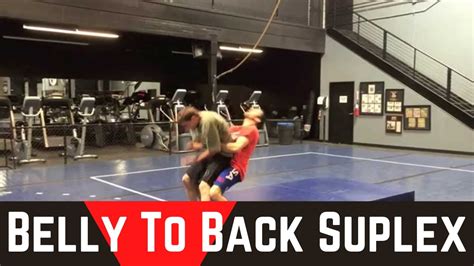
No matter what type of suplex, you execute, you will have to remember important tips and details:
- Body Control: No matter which type of suplex you try, you must first have a good bodylock on your opponent.
- Body Positioning: In order to lift your opponent involves correct body positioning.
- Arch Your Back: Remember on a traditional belly-to-back throw you must arch your back.
- Lift With Your Legs: Always lift with your legs and never just your arms.
- Don’t Fall On Your Head: Remember, you’re suplexing your opponent and not yourself.
The first step of the belly-to-belly is an outside step, where you step to the outside. There are different belly-to-belly setups and hand positioning, but they all follow the same principles.
Read also: Delve into the themes of Total Suplex of the Heart
Step-by-Step Breakdown of Belly to Belly Suplex
Shintaro demonstrates two main variations of the belly to belly suplex, both starting from a strong body lock position:
- Classic Body Lock Suplex
- Control the Arm: Take your opponent’s arm down and lock it to their body.
- Grip: Go palm-to-palm for a secure body lock.
- Step Through: Step with your right leg between your opponent’s legs.
- Back Step: Pivot and back step to load their weight onto your hips.
- Lift & Arch: Pop your hips, look over your shoulder, and arch your back to take them over-landing safely on your back.
“I pull my opponent into me, pop my hips, and then look over my shoulder and drop to my back.”
- Key Details & Tips
- Arm Trap: Trapping the opponent’s arm is crucial for control and safety.
- Angle & Hips: The throw’s power comes from cutting the angle and popping your hips.
- Safety First: Remind your partner not to post with their hand when taking the fall-always practice safely!
Add It to Your Arsenal The belly to belly suplex is a fantastic addition for anyone looking to blend wrestling and judo, surprise opponents, or just have more fun on the mat. Practice both variations, focus on your grips and angles, and you’ll have a new favorite technique in no time.
Safety and Legality
Over the years, amateur wrestling organizations and governing bodies have refined and standardized the rules for using suplexes. For example, a suplex can be used as long as a wrestler does not drop their opponent on their head. Within MMA, the use of suplexes is totally legal and any type of suplex can be used.
The suplex and its numerous variations are must-know techniques if you practice any form of grappling. Not only are they explosive grappling techniques, but they are easy to learn.
If you are wrestling, you can use this scary and powerful move, but if you are in martial arts, if you are in martial arts, for example, Brazilian Jiu-Jitsu or mixed martial arts, you cannot use it. However, the technique is still very powerful and effective in street fights.
While practicing it with your partner, be very careful as you can get your partner injured. Practice it doing in the presence of any professional who know how to do the suplex. When there is no professional, don’t do it alone. Don’t do it with your partner.
Variations of the Belly-to-Back Suplex
In these variants, the attacker stands behind their opponent and applies a hold before falling backwards, dropping the opponent on their upper back. For the belly-to-back suplex, the wrestler stands behind their opponent and puts their head under the arm of the opponent. The wrestler then lifts the opponent up grabbing the waist and thigh of the opponent, so the opponent is on the attacker's shoulder. The attacker finally falls backwards, dropping the opponent flat on their back.
Some wrestlers perform the back suplex into a bridging position, simultaneously arching their own back and legs to elevate themselves, gaining leverage and pinning their opponent. Since the wrestler taking the move is falling backwards, the potential for injury is significant if it is not performed properly.
There are many variations of the belly-to-back suplex, including:
- Backdrop Driver/Suplex: The attacking wrestler stands behind their opponent and puts their head under the arm of the opponent.
- Leg Lift Back Suplex: Sometimes referred to as a leg lift back suplex or leg lift backdrop, it is applied just as a back suplex would be, except that the wrestler wraps only the near arm or no arm around the torso of their opponent.
- Cobra Clutch Suplex: The attacker places the opponent in a cobra clutch hold.
- Dragon Suplex: Invented by Tatsumi Fujinami, this belly-to-back suplex variation sees the wrestler apply a full nelson and then bridge their back, lifting the opponent over him and onto their shoulders down to the mat.
- German Suplex: Formally known as a reverse gutwrench suplex or waist-lock belly-to-back suplex, and abbreviated as a German, this move sees the wrestler stand behind the opponent, grab them around their waist, lift them up, and fall backwards while bridging their back and legs, slamming the opponent down to the mat shoulder and upper back first.
Conclusion
The belly-to-back suplex is a powerful and versatile move in wrestling, with a rich history and numerous variations. Whether you're a seasoned wrestler or a curious fan, understanding the techniques and nuances of this move can enhance your appreciation for the sport.