The world of UFC fighter sponsorships is complex, marked by evolving rules, restrictions, and ongoing debates over fair compensation and athlete rights. For years, UFC fighters were allowed to represent branding from sponsors during fight weeks and fight nights. However, the landscape shifted dramatically with the introduction of exclusive deals and uniform policies.
The Reebok Deal and Its Impact
On December 2, 2014, the UFC and Reebok announced an exclusive deal, making Reebok the worldwide outfitter for the UFC, beginning in July 2015. While financial terms were not released, UFC officials stated the agreement was the most valuable non-broadcast contract the company had ever signed.
The new policy provided several benefits to the athletes, including but not limited to:
- Associating every athlete with a global athletic footwear and apparel brand
- High quality performance apparel specifically developed, tested and produced for MMA athletes
- Elevating the visual identity of UFC athletes to be on par with other global mainstream sports
- A guaranteed income for each fight, eliminating the burden of seeking sponsors on a per event basis
- The opportunity to generate royalty income from the new athlete-specific products created through this program
However, many fighters claimed that the new Reebok deal caused them to lose income from sponsors, since they were no longer able to advertise their logos in the cage. They claimed that the income gained from Reebok did not outweigh the income lost from the loss of their sponsors.
Vitor Belfort, a former multi-division UFC champion, expressed his dissatisfaction with the sponsorship rules. He said he had lost out on millions of dollars in sponsorships because of the way the UFC had fashioned the deal with Reebok. He noted that fighters invest a lot of money in themselves, and some tweaking of the uniform policy is needed so that fighters have more sponsor options.
Read also: MMA Stars from Iran
He suggested the UFC should consider an ATP (Association of Tennis Professionals) or NBA model, where fighters have more collective bargaining power and representation. Belfort proposed that fighters should have the ability to offer other, non-competing brands the chance to associate with them on fight weeks and pay them for their endorsements. "Maybe we can't have an apparel [sponsor in addition to Reebok] but I can have my bank, I can have a phone company, I can have another energy drink," Belfort suggested.
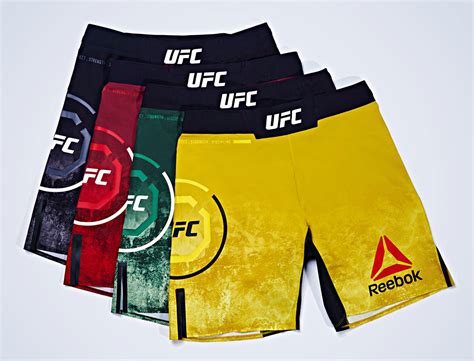
Despite these concerns, the UFC maintained that the Reebok partnership would create long-term value for UFC athletes and their brands by elevating and further professionalizing the events and the sport in general.
Restrictions and Exclusivity
Under the UFC's policies, athletes’ sponsors are not permitted to have exposure on athlete apparel during UFC fight week official events including fight night, UFC produced content, or other official UFC events. Athletes can retain their existing sponsors, however those sponsors are no longer permitted to have exposure within UFC fight week official events including fight night, UFC produced content, or other official UFC events.
Athletes are allowed to have apparel and non-apparel sponsors outside of UFC fight week official events. These sponsors can use the athlete’s name and likeness, but may not use UFC trademarks unless they have a direct commercial relationship with UFC.
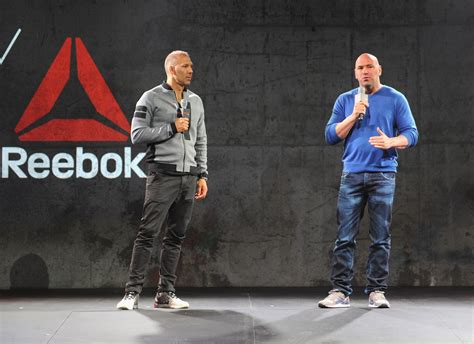
Francis Ngannou echoed similar sentiments, pointing out that he lost a deal of over a million dollars from a crypto exchange because of the UFC's partnership with Crypto.com. He questioned what he got from the UFC's deal, especially with rising inflation.
Read also: Champions in Women's UFC
Even before the uniform policy, the UFC had a "sponsor tax" where businesses had to pay the promotion a fee before logos could be placed on a fighter's gear.
Fighter Compensation and Revenue Sharing
The UFC has long been criticized for underpaying its fighters. Unlike most sports leagues where athletes receive between 47% and 50% of the sport's revenue, the UFC has historically paid out between 16 and 22% of its revenues to its fighters. This disparity has led to increased scrutiny and calls for better compensation models.
The athlete outfitting compensation is a tiered system based on each athlete’s ranking at the time of the weigh-in, irrespective of broadcast type and placement on the fight card. Athletes are paid by UFC within 10 business days after their fight, subject to confirmation of their compliance with the 2015 UFC Athlete Outfitting Policy.
In contrast, rival promotion Bellator MMA paid their fighters 44.7% of their revenue between 2010 and 2016, while Strikeforce reportedly paid their fighters 63%.
Some argue that UFC fighters are effectively employees due to the control the UFC exerts over their careers, including when, where, and whom they fight. UFC contracts have exclusivity provisions, preventing fighters from competing in other MMA organizations or sports while under contract. This has led to civil lawsuits alleging the UFC exercises monopoly and monopsony power.
Read also: UFC's Best Bald Fighters
Incidents and Controversies
Several incidents have highlighted the tensions surrounding fighter treatment and promotional practices:
- UFC 151 Cancellation: UFC 151 was cancelled after Jon Jones declined to fight Chael Sonnen on short notice, leading to Dana White blaming Jones and his coach.
- Match-Fixing Allegations: A UFC fight involving Tae Hyun Bang and Leo Kuntz saw suspicious betting patterns, leading to match-fixing allegations.
- Media Ban: MMA Fighting journalists were temporarily banned from UFC events, allegedly for reporting news before the UFC's official announcement.
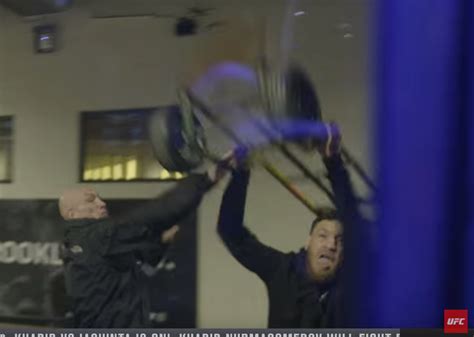
- Conor McGregor Bus Incident: Conor McGregor's attack on a bus carrying UFC fighters resulted in injuries and legal charges, but the UFC used the footage for promotional purposes.
- Khabib Nurmagomedov Post-Fight Brawl: Khabib Nurmagomedov's post-fight brawl at UFC 229 resulted in suspensions and fines.
- Charles Oliveira Weight Miss: Charles Oliveira was stripped of the UFC Lightweight Championship after missing weight, sparking controversy over the scales used.
- UFC 279 Press Conference Brawl: A backstage brawl involving multiple fighters led to the cancellation of the UFC 279 press conference.
- Betting Fraud Investigation: A call for a sports betting fraud investigation was made on a UFC fight involving Darrick Minner and Shayilan Nuerdanbieke.
The Future of UFC Sponsorships
The debate over UFC fighter sponsorships continues, with many advocating for a fairer system that allows fighters to benefit from their personal brands while maintaining a professional image for the sport. The UFC's decisions regarding sponsorships and revenue sharing will significantly impact the future of fighter compensation and the overall landscape of mixed martial arts.
Ultimately, Belfort believes the UFC's owners are smart enough to adjust the current fighter sponsorship rules to be fairer. "I think they are going to change to the ATP model. They are smart businessmen. They are going to say, 'Man, we've got to find something to make [fighters] happy.'"