Brazilian Jiu-Jitsu (BJJ) is more than just a fighting style; it's a holistic approach to enhancing mental well-being. This martial art offers a unique blend of physical exertion, mental discipline, and social interaction, making it a powerful tool for managing stress, building confidence, and fostering a sense of community.
The Growing Popularity of Jiu-Jitsu
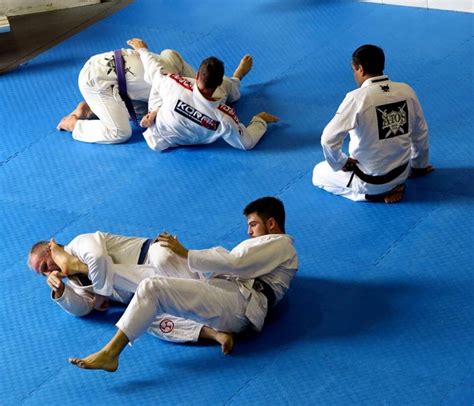
Jiu-Jitsu isn’t a small phenomenon. It’s a rough estimate but there are about 500,000 Brazilian Jiu Jitsu practitioners in the US. It’s a martial art and a sport that looks like wrestling in pajamas. It's a game with simple rules: without striking your opponent, place them in a position where they are forced to “tap out” lest they be injured or rendered unconscious or otherwise unable to continue fighting. The most common strategy to win this game is to wrestle to a superior position then use your arms and legs to control your opponent while you place pressure on the arteries in their neck or hyperextend one of their major joints. You can do this again and again because it’s easy to tap out when it begins to hurt but long before you are injured.
It sounds insane! It sounds risky! I was curious about the actual level of risk so I looked up some data. My friend, Ethan Kreiswirth wrote a study on incidence of injury at the 2009 World Jiu Jitsu Championship. At this high level of competition, the rate of injury was 24.9 per 1000 Athlete-Exposures (A-Es). To compare, college football games have a rate of 35.9 injuries per 1000 A-Es, college wrestling matches a rate of 26.4 injuries per 1000 A-Es, and college soccer games a rate of 18.8 injuries per 1000 A-Es. So competing in Jiu Jitsu is about as risky as wrestling, which is more dangerous than soccer but less than football. And practice in all these sports is significantly less risky than actual competition.
Immediate and Long-Term Benefits
There are five major domains where Jiu Jitsu has specific, significant benefits that contribute to mental wellness:
- Immediate Somatic: Jiu jitsu looks a lot like the natural play of many animals. It’s an inherently enjoyable physical activity. This playful, engaging activity is an excellent source of exercise. Physical contact with others fulfills a human need. Touch sends a powerful message: “you’re okay to touch and I’m okay touching you.”
- Immediate Psychological: People who train know they feel markedly different after training than they did before. Jiu jitsu as stress relief is similar to but distinct from the catharsis that can be had while training. If you’re holding on to anger or resentment, training jiu jitsu can be an excellent way to get those feelings out. Jiu jitsu is also a source of flow, a state of being where sense of self is lost and one's mental process becomes seamlessly identified with the activity. Flow is marked by the absence of boredom, anxiety, and self-doubt and the presence of an energized focus. Psychology research on flow states is ongoing but suggests that there is a relationship between time spent in flow states and an increase in positive feelings and behavior as well as a reduction in negative feelings and behavior.
- Long Term Psychological: People who train experience increased confidence and assuredness. Because of their connection to the martial arts community they have an excellent resource to develop connectedness to others. The stress we experience when training exposes us to serious anxiety and learning to manage that helps us learn to cope with stress and anxiety outside of jiu jitsu as well. The practice of jiu jitsu is an excellent outlet for aggression - we should not seek to eliminate this drive, but to find appropriate boundaries and outlets for our aggression. Training also helps develop focus, as growing our skills in jiu jitsu demands that we hone our skills through concentrating on tasks at hand.
- Community: Training is an excellent form of socialization. For people in recovery from substance abuse, a jiu jitsu gym can be a place where you’re accountable to show up sober every evening. The gym is a place to experience the positivity that comes from having shared goals with other people that you develop through a shared culture. But jiu jitsu is larger than just the gym you join, it allows you to connect to a global sport.
- Long Term Skill: Training is an opportunity to learn from people who have mastery in a skill. The transparent process by which we see others gain mastery leaves us with a solid pedagogy, a methodology for teaching and refining a skillset. Part of that pedagogy is critical thinking, a skill we have to utilize and grow in jiu jitsu in order to test ourselves and test techniques in a fast-moving problem solving task. Many jiu jitsu schools accept fights from all comers because these tests force us to confront the reality of our skills, something jiu jitsu practitioners take great pride in. The fundamental hypothesis of martial arts is this: with training, a smaller, weaker person can defeat a larger, stronger person. One of the best parts about Jiu Jitsu is the bang for your buck you get in proving this hypothesis.
Martial arts saved me from addiction
Jiu-Jitsu as a Therapeutic Modality
BJJ is also proving to be a transformative tool for law enforcement, offering a multifaceted approach to officer training that extends beyond physical tactics to include significant mental and emotional benefits. BJJ training enhances mental acuity, decision-making under pressure, and interpersonal skills, which are essential in the high-stress context of law enforcement work [9]. Furthermore, another study [7] highlights the practical impacts of BJJ on use of force protocols, showing how these techniques help maintain calm and control during confrontations, reducing the likelihood of unreasonable or excessive force. This aspect of BJJ training not only improves officer safety but also the safety of the community by minimizing potentially harmful physical interactions.
Read also: Training at Alliance Chula Vista
Current research confirms potential scientific benefits from the use of BJJ in physical rehabilitation, psychological resilience, and social integration for populations experiencing high levels of stress - specifically, veterans and first responders.
In recent years, BJJ has emerged as a pivotal intervention for enhancing veterans’ and first responders’ mental and physical well-being. As previously mentioned, this martial art is known for its emphasis on ground fighting and submission. It offers more than just physical training; it provides a structured environment that fosters psychological resilience and social reintegration.
For example, studies [3, 16] have documented the significant benefits BJJ offers in rehabilitating soldiers and aiding veterans with PTSD, highlighting improvements in both physical mobility and mental health outcomes. Furthermore, a separate study [5] discusses BJJ’s role in easing veterans’ transition into civilian life, leveraging the discipline’s community-centric nature to combat isolation and build lasting social networks.

Benefits for Veterans and First Responders
BJJ provides veterans a therapeutic environment that fosters mental discipline and builds a strong community. Engaging in BJJ allows veterans to experience controlled physical interactions, which can be crucial for regaining trust in their bodily responses and reducing hyperarousal associated with PTSD [8]. The structured setting of BJJ classes offers a predictable and safe environment where veterans can learn new skills in a supportive atmosphere.
In addition, the communal aspect of BJJ encourages veterans to form supportive relationships with peers who may share similar experiences. These social connections are invaluable as they help combat the isolation often felt after leaving military service [12]. Through regular training, veterans develop physical strength and emotional resilience, bolstered by the camaraderie found in BJJ gyms [12].
Read also: New Jujutsu Odyssey Codes
Research [13] shows significant improvements in PTSD symptoms among participants attributed to the physical exertion and mental focus required in BJJ training. The study highlights how BJJ helps in developing coping strategies for stress and trauma, which are critical for long-term mental health recovery. The study also emphasizes the sense of accomplishment and increased self-esteem from progressing in BJJ. These psychological benefits are crucial for veterans and service members who often struggle with self-worth after leaving service.
BJJ has also been studied [5] as a powerful tool for veterans’ reintegration into civilian life. The study [5] suggests that BJJ’s disciplined environment helps veterans transition by providing a structured routine similar to that experienced in the military. This similarity helps mitigate the culture shock many veterans experience post-service. Furthermore, BJJ fosters a sense of community and brotherhood among its practitioners, which mirrors the camaraderie found in the military. This aspect of social support is crucial for veterans who may feel isolated after their service [5].
Impact on Law Enforcement
BJJ training can significantly improve mental acuity and decision-making under pressure in law enforcement, where officers often encounter high-stress situations. The practice also fosters resilience and patience, skills that are beneficial in both personal and professional settings. Furthermore, the training enhances interpersonal skills, essential for officers who must de-escalate tense situations without resorting to excessive force. BJJ teaches control and restraint, promoting a mindset of protection rather than aggression.
Officers trained in BJJ are often better equipped to maintain their safety and that of others while minimizing harm and managing physical confrontations effectively [7].
The 2021 BJJ Training Data Documents a Reduction in Injuries report from the Marietta (GA) Police Department (MPD), highlighting the tangible benefits of BJJ training in reducing injuries among police officers. The MPD report concludes that comprehensive physical training enhances flexibility, strength, and overall body awareness, leading to this reduction [10]. Officers trained in BJJ are better prepared to handle physical confrontations safely and efficiently, protecting themselves and the individuals with whom they interact.
Read also: Benefits of Jiu Jitsu
By incorporating BJJ, departments can ensure that their officers are not only physically capable but also mentally prepared to handle the stresses of law enforcement.
Psychological Variables and Belt Ranks in BJJ
Brazilian jiu-jitsu engagement has been found to positively impact psychological variables in children, adolescents, and adult athletes. Psychological variabilities have previously been shown among belt ranks in Brazilian jiu-jitsu athletes.
A study aimed to explore the differences in mental strength, resilience, grit, self-efficacy, self-control, aggression, life satisfaction, and mental health disorders among the Brazilian jiu-jitsu belt ranks. A sample of 420 Brazilian jiu-jitsu athletes (78.8% male), including 121 white belts, 118 blue belts, 78 purple belts, 46 brown belts, and 57 black belts, between 18 and 60 years of age, completed several tests.
- Mental Strength Scale
- Brief Resilience Scale
- Grit Scale
- General Self-Efficacy Scale
- Brief Self-Control Scale
- Brief Aggression Questionnaire
- Satisfaction with Life Scale
- Mental Health Disorders Screening Instrument for Athletes
Results showed that Brazilian jiu-jitsu black belts presented significantly higher mental strength, resilience, self-efficacy, self-control, life satisfaction, and lower mental health disorders than white belts. No significant differences were found between white and black belts in aggression (total, physical aggression, anger, verbal aggression, and hostility). Brazilian jiu-jitsu training experience positively correlated (small effect) with mental strength, resilience, grit, self-efficacy, self-control, physical and verbal aggression, and life satisfaction.
In conclusion, the results are suggestive that Brazilian jiu-jitsu black belts are generally more likely to present higher mental strength, resilience, grit, self-efficacy, self-control, life satisfaction, and better mental health than white belts, with no differences in aggression. More experienced Brazilian jiu-jitsu athletes were more likely to present higher mental strength, resilience, grit, self-efficacy, self-control, physical and verbal aggression, and life satisfaction than less experienced athletes.
The Science Behind the Benefits
One systematic review [1] of the extensive physical and physiological demands placed on individuals who practice Brazilian Jiu-Jitsu suggests that BJJ is effective in enhancing cardiovascular health, muscular strength, and endurance. The review also notes the mental benefits of regular, intense physical activity, such as improved focus and stress reduction. Furthermore, the review discusses how BJJ athletes develop unique physiological adaptations that enhance their performance. These include increased aerobic capacity, better body composition, and superior muscular endurance.
Research provides compelling evidence through a longitudinal study that BJJ has sustained benefits in managing PTSD among veterans [12]. This longitudinal study followed participants over a period, noting significant and lasting decreases in PTSD symptoms among those who regularly engage in BJJ. In addition, the study also highlights how the repetitive and immersive nature of BJJ training can serve as a form of exposure therapy, where participants gradually face and gain control over stress triggers in a controlled environment.
In a systematic review, a researcher examined the role of BJJ as both a social and psychological therapy [4]. The review consolidates findings from multiple studies, illustrating how BJJ aids in building strong community ties, which is essential for mental health. The physical closeness and mutual trust required in BJJ training create a unique social dynamic that fosters interpersonal relationships and a supportive network, offering a sense of belonging and community that is often therapeutic.
Personal Stories and Testimonials
Many adult students come in feeling stressed, unmotivated, or overwhelmed by the responsibilities of daily life. Through Jiu-Jitsu, they rediscover strength, discipline, and a sense of identity outside of work or family roles. Teenagers today are under more pressure than ever. School, social media, identity, it’s a lot. On the mats, they find clarity. Jiu-Jitsu teaches focus, respect, and emotional control.
For many women, Jiu-Jitsu starts as a journey into self-defense, but quickly becomes a journey into self-empowerment. I’ve seen women gain confidence not just in how they move, but in how they speak, set boundaries, and carry themselves in everyday life.
The Role of Mindfulness and Flow
Jiu Jitsu offers a different kind of stillness. One that comes through motion, not despite it. And this isn’t just based on gut feeling. Distraction doesn’t stand a chance when you’re rolling. One of the first things I noticed after my first few weeks of training was that my mind stopped wandering during rolls. If you’re defending against a choke or fighting for position, your attention can’t afford to wander. This kind of total immersion demands mindfulness. Every grip, every transition, every breath keeps you right here in the moment. There’s something oddly cleansing about a tough session. Even a few minutes of grappling can melt away hours of mental fog.
When everything clicks during a roll, it feels like time slows down. Research by the late Mihaly Csikszentmihalyi, the pioneer of flow theory, suggests that people who frequently experience flow report higher levels of happiness, personal fulfilment, motivation, satisfaction and overall well-being.

Community and Social Well-being
Jiu Jitsu connects you to a community of like-minded people. The mats bring people together from all walks of life, unified by the shared experience of struggle, learning, and growth. That sense of connection really matters. A 2021 systematic review in BMC Psychology found that group-based martial arts training significantly enhanced social well-being, providing a sense of belonging and reducing loneliness.
Practical Advice for Starting BJJ
While BJJ offers many mental health benefits, it is essential to train safely. Practicing smart and listening to one’s body are key to longevity in the sport. One of the most important safety principles is tapping early to avoid setbacks. Proper warm-ups help prevent strains and sprains, ensuring that the body is prepared for training. Clear communication with training partners is also vital, especially when rolling with beginners or those with physical conditions. Taking rest days when needed is another important factor in preventing burnout.
Lastly, training at a reputable gym with experienced instructors ensures that safety protocols are followed.
BJJ: A Lifestyle for Mental and Physical Health
Brazilian Jiu-Jitsu is much more than just a martial art. It is a powerful tool for improving mental health. For those considering BJJ, stepping onto the mats could be an amazing experience. Ready to give Brazilian Jiu-Jitsu a try?
Brazilian Jiu Jitsu is often celebrated for its physical benefits such as strength, flexibility, and endurance, but its impact goes far deeper than the surface. For many practitioners, stepping onto the mat is as much about mental health as it is about technique. Jiu jitsu and mental health go hand in hand. The practice demands focus, cultivates resilience, and offers a unique blend of challenge and camaraderie that can transform how we navigate life off the mat.Jiu jitsu helps nurture mental well-being and increases mindfulness, from managing stress and anxiety to building confidence and fostering a sense of community.