Shaolin Kung Fu, also known as Shaolinquan, stands as one of the oldest and most influential martial arts styles, tracing its roots back to the 6th century CE. Initially developed as a means of self-defense and exercise for Buddhist monks, it has since spread throughout Eastern Asia and influenced countless modern Chinese martial arts systems. These systems often incorporate the "Shaolin" name to enhance their reputation.
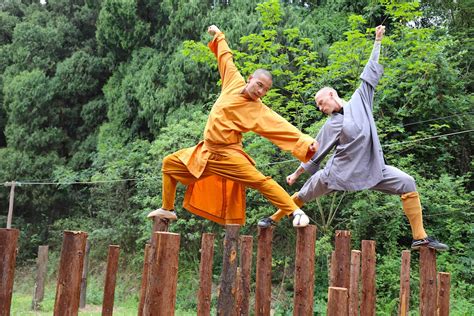
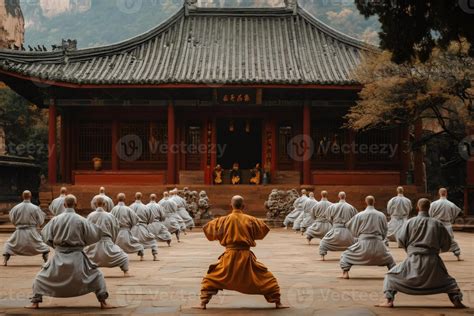
Shaolin monks training.
The earliest forms of this martial art are believed to have originated from the teachings of the Indian monk Batuo (Buddhabhadra), the first abbot of the Shaolin Monastery, in the 5th century CE. Monastic life involved extensive meditation, and martial arts were introduced to counteract the adverse effects of prolonged stillness and to promote alertness during meditation.
The Essence of Shaolin Kung Fu
Many Chinese martial arts are characterized by poetically named techniques and flowing movements. The various forms of Kung Fu inspired by Shaolin are thought to be derived from the monks watching the movements of animals when expanding on the original 18 Luohan techniques that were created during the Sui Dynasty (581-618 CE). Legend has it that they would mimic the behavior and “spirit” of the movement, exemplifying the desired qualities of a martial artist such as power, balance, or flexibility as expressed in the animals’ movements.
Although different traditions have their own take, the five most commonly accepted animal forms are the Tiger, Crane, Leopard, Snake, and Dragon:
Read also: Storied History of Northern Lehigh
- Crane: Precise strikes to soft targets using the fingertips.
- Dragon: Broad sweeping motions powered by solid biomechanics and proper breathing.
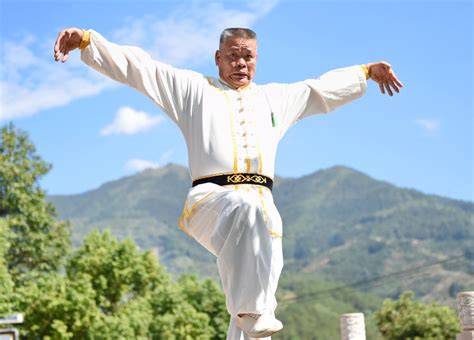
White Crane Style Kung Fu.
Practicing any form of martial art requires a degree of physical fitness. A strong core enables a stable posture with proper form and drives the movement of the limbs. Strong muscles and bones allow for explosive movement and can endure the force of attacking or defending from blows performed at full speed. Flexibility and speed allow fluid motion from any position without loss of power. It is said that the ideal feeling of, for example, a punch, is with the fist as a hammer on the end of a whip.
Some of the most well-known training exercises performed by the Shaolin include the “Iron Palm” which involves striking hard surfaces, “Iron Body,” which involves being struck repeatedly for the purpose of body hardening, and the famed water-bucket carrying exercise for endurance. Training of the Shaolin consists of equal parts cardiovascular conditioning, strength, and flexibility training, and martial training to learn the movements.
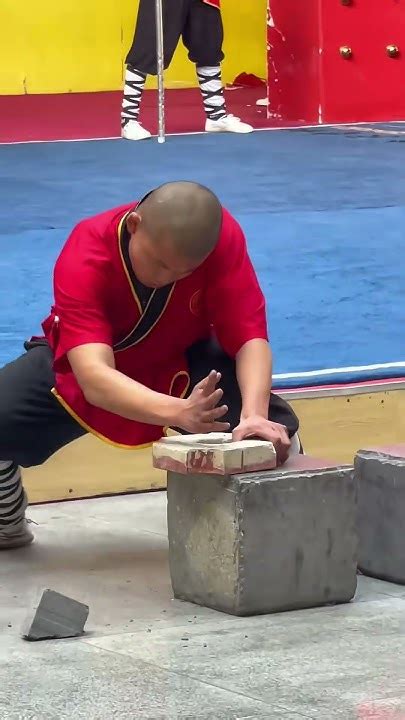
Shaolin Iron Palm Practice.
Not only do Shaolin trainees train to great skill levels in unarmed fighting, but they also attain proficiency in several weapons. The weapon most associated with the traditional Shaolin is the gun, or staff similar to the Japanese bo. The gun is held more like a European quarterstaff, with one hand at the center and the other near the tip. The techniques of this weapon bear close resemblance to battlefield spear techniques. Because the Shaolin knew that they could be targeted by someone wielding anything, they trained to defend themselves against a variety of swords, daggers, and other weapons.
Read also: A Look at Northern Plains Wrestling
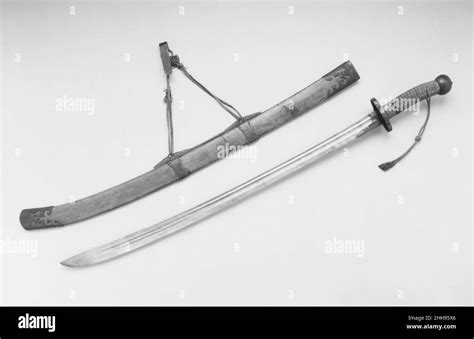
Dao with scabbard, Chinese, 18th century.
The extraordinary final test to become a Shaolin Master | Sacred Wonders - BBC
Northern vs Southern Styles
No fighting style is developed in a vacuum. Tactics and weapons evolve to meet the needs of the prevailing culture as well as the environment. In this vein, Shaolin styles and other Chinese martial arts often fall into two broad geographical categories: Northern and Southern. Northern China has vast open stretches of flat terrain. Martial arts from Northern China focus on broad movements, upright stances, and kicks, practiced in flowing patterns.
Man Practicing Northern Shaolin Kung Fu.
Southern China, meanwhile, is mountainous. A slip on treacherous terrain could lead to one falling to their death. Therefore, Southern styles focus on stances that are low to the ground for stability and short, close-range movements. The close movements also serve well in tight quarters, such as urban combat or aboard ships, e.g. fighting the Japanese pirates of the 16th century.
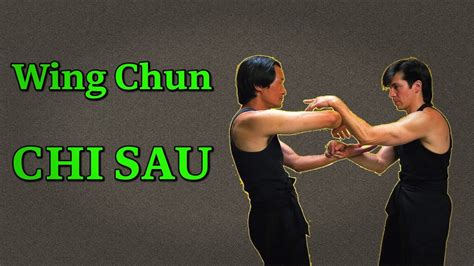
Chi Sao Wing Chun form.
Read also: A Legacy of Wrestling Triumph
Here’s a table summarizing key differences between Northern and Southern Shaolin styles:
| Feature | Northern Shaolin | Southern Shaolin |
|---|---|---|
| Terrain | Vast, open, flat | Mountainous |
| Movements | Broad, flowing, upright | Short, close-range, low stances |
| Emphasis | Kicks and acrobatics | Hand techniques and stability |
Lineage and Influence
Virtually every modern Chinese martial art can in some way trace its lineage back to the Shaolin Temple, to the point that it’s impossible to list them all.
- Hung Gar: Created during the Ming Dynasty (1368-1644 CE), Hung Gar is a Southern Shaolin style focused on low stances, specifically the horse stance. Its wide footwork facilitates blows driven by the rotation of the torso and kinetic linking from grounded stances.
- Wing Chun: Wing Chun is another Southern Shaolin style. Unlike Hung Gar, Wing Chun is focused on tight movements with the hands held close to the center of the body. The main characteristic of Wing Chun is its speed. Skilled practitioners can throw lightning-fast punches to vulnerable points and simultaneously defend themselves.
- Long Fist: Also called changquan, this fighting style of the Northern Shaolin excels in leaping, acrobatic kicking techniques, and broad movements that involve more rotation. It also has an extensive weapons curriculum that teaches the gun, the qiang (spear), dao, and jian (straight sword), as well as over a dozen others.
- Xingyiquan: This Northern Shaolin-derived style bears the closest resemblance to military drills. Its movements are sharp and linear as if fighting from within a tight formation. Staff and spear movements feature heavily in Xingyiquan.
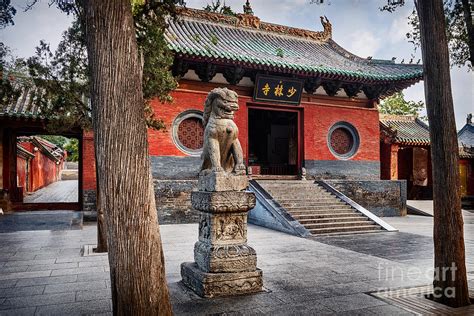
Shaolin Temple Entrance.
The Shaolin Temple still stands after having been destroyed and rebuilt several times over its history. It is an immensely popular tourist destination in China, with visitors from all over the world coming to observe the monks - or even to live and train with them. Of course, to be allowed to do this requires that one speak fluent Chinese: there are few if any willing translators at the temple. Shaolin kung fu is practiced all over the world, so anyone wishing to learn need not necessarily go to China.