Ringworm is a common skin infection that can affect wrestlers and athletes involved in close-contact sports. It spreads easily and can cause discomfort, itching, and unsightly skin lesions. It's a fungal infection that loves the warm, sweaty environment wrestling provides. Wrestling, with its close contact and shared equipment, is a prime hotspot for those pesky skin infections, especially ringworm.
In the world of wrestling, preventing ringworm and maintaining cleanliness are paramount. Skin infections have long been documented to spread among wrestlers. It’s pretty obvious that wrestling has more one on one contact with opposing players than any sport.
In this article, we will explore effective strategies for preventing ringworm and discuss the necessary steps to take if you find yourself dealing with this pesky infection. Here's how the wrestling world can defeat the ringworm skin infections that are so costly to wrestlers and wrestling programs.
I remember back in my college days, a teammate missed an important match because of a ringworm outbreak. The fungus is sneaky. It can spread through direct skin contact, or by touching infected surfaces, like our beloved wrestling mats. Preventing ringworm means being aware of these risks.
Ever borrowed someone's headgear or used a communal mat? I have, and while it's all in good fun, these shared items can be breeding grounds for ringworm. Preventing ringworm starts with being cautious about what you share. I once lent my favorite wrestling shoes to a buddy, only to find out he had a mild ringworm infection.
Read also: Discover the story of Casey Swiderski
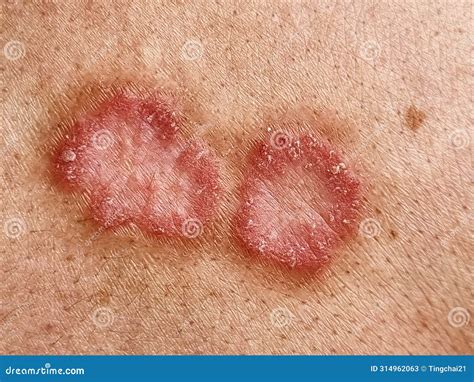
Ringworm on human skin
Understanding Ringworm
Ringworm, despite its name, is not caused by worms. It is actually a fungal infection, scientifically known as tinea corporis. Tinea gladiatorum, caused primarily by Trichophyton tonsurans, is the most common fungal infection among wrestlers. Over 90% of reported cases trace back to this species.
The Importance of Prevention
Prevention is key when it comes to ringworm. Wrestlers make hundreds of skin-to-skin contacts on shared mats every day, making them vulnerable to skin infections. Minor abrasions, sweat, and friction make the skin more vulnerable to infection. Maintaining personal hygiene is essential in preventing ringworm.
There are simple, common habits that wrestlers can adopt to mitigate the likelihood of getting infected by ringworm:
- Wash your hands throughout the day.
- Treat your scrapes and cuts.
- Give yourself a daily self-check, looking for any skin issues.
Clean environments and clean athletes go hand in hand. Wrestling hygiene is about consistency, not complexity. Preventing impetigo and ringworm isn’t complicated-it’s about routine. For athletic directors and coaches, these evidence-based habits protect both athletes and the integrity of the sport.
Read also: Sectional Wrestling Tournament Details
Personal Hygiene Practices
Regular showers, especially after training, and clean gear can make a world of difference in preventing ringworm. I've made it a ritual to shower immediately after every session, and it's a game-changer. It's simple math. Regularly cleaning and disinfecting your wrestling mats reduces the risk of infections, including ringworm. And don't just use any cleaner; go for products specifically designed for preventing ringworm and sports hygiene, like ours.
That said, anecdotal evidence suggests that one especially potent home remedy for ringworm is a simple solution. First, make a paste out of sea salt and a bit of water. Then, add apple cider vinegar.
Disinfecting Wrestling Mats and Gear
Wrestling mats and other shared surfaces should be regularly cleaned and disinfected. Matguard USA offers a variety of disinfectant products, including wipes and sprays specifically designed to combat bacteria and fungi. Sharing towels, clothing, or equipment with others can contribute to the spread of ringworm. Clean environments and clean athletes go hand in hand.
When it comes to wrestling, your gear is as essential as your skills. MatGuard's disinfectant spray and disinfectant wipes are specially formulated for wrestling essentials like headgear and singlets. These products ensure that your equipment isn't just clean, but also free from harmful bacteria and fungi that can compromise your health. In a sport as close-contact as wrestling, skin health is paramount. MatGuard's range of products, including their antibacterial body wipes and body foam cartridges, are designed to offer top-notch skin disease prevention. Whether you're fresh off a match or just finished an intense training session, these products work diligently to cleanse the skin, combat bacteria, and provide a protective barrier against potential infections.
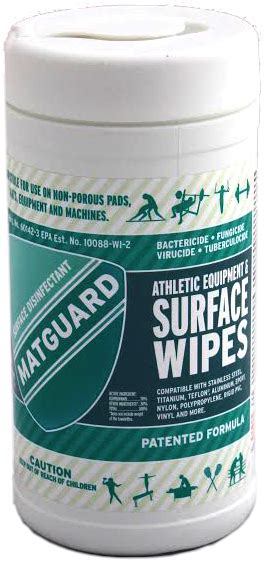
Matguard Disinfectant Wipes
Read also: The story of Angelo Posada
The Role of Team Leaders
As leaders, it's your duty to ensure the team's well-being. Regularly inspect equipment, educate your team about hygiene, and maybe even host a workshop or two on preventing ringworm. MatGuard USA is always eager to collaborate and spread awareness. If you're interested, give us a shout. Together, we can make the wrestling community safer and healthier by preventing ringworm.
What to Do If You Suspect Ringworm
Even with preventive measures in place, ringworm can still occur. If you suspect you have ringworm, take immediate action to prevent its spread and promote healing. Prompt treatment is crucial to shorten the duration of symptoms.
Ringworm starts as a small, itchy spot but can quickly grow into larger rings. If you or a teammate notice any unusual skin changes, it's crucial to act fast. Preventing ringworm means catching it early.
Consulting a Healthcare Professional
It is essential to consult a healthcare professional, such as a dermatologist, for an accurate diagnosis. Also wrestlers from the 8 schools were screened weekly by the designated team physician and certified athletic trainer.
Treatment Options
For mild cases of ringworm, over-the-counter antifungal creams, lotions, or powders may be effective. To eliminate any lingering fungal spores on your wrestling gear, use Matguard's disinfectant spray for gear.
Returning to Wrestling After Infection
Returning to wrestling after a ringworm infection requires caution to prevent reinfection. Finish the prescribed treatment course, even if the symptoms have disappeared.
Study on Bacterial Reduction Methods
A 2-part study was conducted to determine the most effective and practical methods of bacterial disinfection. The first phase involved a culture evaluation of material taken from wrestling mats at 8 local high schools. We obtained material from areas of the practice mats of 8 high school wrestling teams at monthly intervals during the wrestling season. We cultured samples taken from each school's wrestling mats for growth of dermatophytes and used a questionnaire to determine the mat-washing habits and policies of each school.
In the laboratory-based part of the study, we measured the bacterial load of mats disinfected with 10% bleach, OxiTitan, Benefect, eWater, and KenClean and inoculated with Staphylococcus epidermidis (strain ATCC 12228) at a concentration of 6.5 × 10⁴ bacteria/cm2. In the empirical part of the study, we used these disinfectants during 2 invitational meets and measured mat and participant bacterial load during competition. Participants were swabbed at weigh-in and after their last bout. With controlled testing, we observed that products claiming to have residual activity reduced bacterial load by 63% over the course of competition compared with nonresidual agents.
Cleaning mats with residual disinfectants reduced the average bacterial load by 76% compared with nonresidual cleaners.
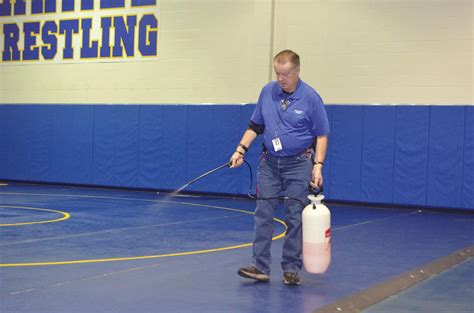
Cleaning wrestling mats
Microbial Findings on Wrestling Mats
The predominant species on mats were skin bacteria (Staphylococcus epidermidis) and substantial levels of respiratory bacteria (Streptococcus pneumoniae), as well as several soil species and a surprisingly low incidence of fecal bacteria (Escherichia coli). High amounts of respiratory flora, most notably S pneumoniae, were found on the mats. These microbes were presumably transferred from wrestlers to mats by forceful exhalations during competition.
Three organisms (Pseudomonas aeruginosa, Kocuria rosea, and Serratia marcescens) were regularly collected from the mats. These microbes are opportunistic pathogens. All tested cleaners killed bacteria. During the meet, mats c...
Additional Skin Infections in Wrestling
Wrestling season brings constant skin-to-skin contact, making athletes vulnerable to skin infections. Parents and athletes, it's important to pay close attention - these infections are unfortunately very common, but with proper education, they can be prevented.
Impetigo
Impetigo is a highly contagious bacterial infection that causes honey-crusted, weepy lesions on the skin. Impetigo appears as honey-colored crusts or blisters, usually around the mouth or nose. Methicillin-resistant Staphylococcus aureus (MRSA) is an increasingly common cause of impetigo. This infection often occurs at sites of preexisting wounds or skin trauma and may also develop as a secondary complication of a viral infection.
Treatment involves a prescription topical ointment applied three times daily for 10 days. In more severe cases, an oral antibiotic may be necessary. Active lesions may NOT be covered to participate.
Herpes Simplex Virus
This condition, caused by the herpes virus, is found on the face and neck in 73% of cases and is spread through direct skin-to-skin contact. The rash appears as a cluster of fluid-filled vesicles with redness at its base and may be accompanied by symptoms such as a rash and swollen lymph nodes.
Athletes must provide documentation of at least five days (120 hours) of oral antiviral treatment. Lesions must be fully crusted over before returning to practice or competition.
Table: Bacterial Composition on Wrestling Mats
| Bacteria Type | Description |
|---|---|
| Staphylococcus epidermidis | Skin bacteria |
| Streptococcus pneumoniae | Respiratory bacteria |
| Pseudomonas aeruginosa | Opportunistic pathogen |
| Kocuria rosea | Opportunistic pathogen |
| Serratia marcescens | Opportunistic pathogen |