There’s a remarkable transformation that happens when young people step onto the martial arts mat. It's more than just self-defense or mastering a new skill; it’s an opportunity for profound personal growth. Every minute spent in practice prepares them for life beyond the dojo.
Discipline and Responsibility
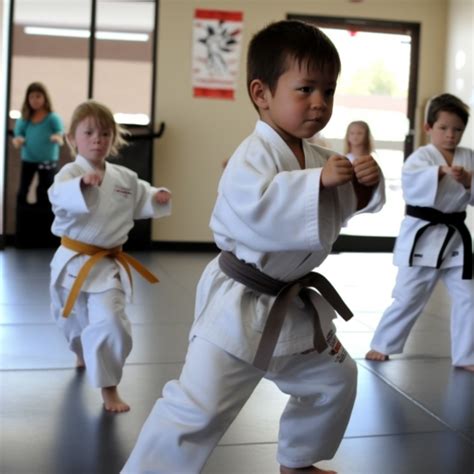
As young martial artists tighten their belts before class, they carry with them a growing sense of responsibility. This environment encourages them to:
- Show up on time
- Listen attentively to instructors
- Respect their peers
- Maintain a clean training space
Discipline becomes second nature as they balance martial arts training with academics and home responsibilities. They are active learners, fostering stability at home and confidence in their schooling. Martial arts training offers a unique framework through which young individuals can build discipline and develop essential life skills. When children engage in martial arts, they follow a structured regimen designed to instill a sense of responsibility and commitment.
Timely attendance for practice, respecting instructors, and maintaining cleanliness in their personal and training environments are just a few ways discipline is fostered. Over time, students learn to transfer this discipline to other areas of their lives, like schoolwork and household chores. This instilled sense of discipline not only benefits the children but also brings stability and consistency to family life, creating a nurturing environment where everyone can thrive.
Confidence and Self-Esteem
A child’s first kick, punch, or tumble in class often plants the seed for lifelong confidence. Successfully executing a technique they once struggled with is a triumph that transcends the mats. It's that newfound courage they bring to social circles and classrooms, challenging them to participate where they once stayed in the background.
Read also: The Story of Ilia Topuria
Martial arts create space not just for learning moves but for internal development, enabling children to recognize their capabilities and take pride in their achievements. It empowers them to transform intimidation into motivation, forging ahead with tasks that seem out of reach. This confidence doesn’t stand alone; it strengthens their sense of self-worth and respect for others, laying the groundwork for healthy relationships.
The role of confidence building in children cannot be understated in martial arts training. As they master new techniques, which might initially seem daunting, young martial artists experience a significant boost in self-confidence. Successfully executing these skills on the mat helps them understand their capabilities and encourages them to step out of their comfort zones. This new-found confidence extends beyond martial arts, empowering them to tackle tasks they might have previously found intimidating, both academically and socially.
Alongside confidence comes an increase in self-worth and respect for others-a recipe for healthier interpersonal relationships. Imagine your child confidently communicating with others, unafraid to express their thoughts while also valuing different perspectives.
Goal Setting and Achievement
As you observe a martial arts class, you’ll notice a dynamic community actively engaged in setting, pursuing, and achieving goals. Each belt they strive for becomes a benchmark-one that reinforces the pursuit of personal excellence through determination and perseverance. More than just achieving the tangible symbol of a belt, your child learns the steps necessary to overcome hurdles and celebrate milestones, creating a blueprint applicable in every facet of life.
Whether it’s completing a demanding science project, preparing college essays, or even navigating burgeoning careers, the mental framework they develop in martial arts offers a dependable guide. Encouraging as it is for them, it is equally inspiring for the young practitioners to realize they’re cultivating resilience and a growth mindset along the way. Together with fellow students, they dive into a supportive network where effort meets reward, underlining a universal truth: personal growth often involves taking that next step amid challenge and uncertainty.
Read also: The story of Sting, the wrestling icon
Personal growth in martial arts is closely linked with learning how to set and achieve goals, an essential life skill for any young person. Each new belt level represents a specific, attainable goal within martial arts. Through training, your child learns how diligence and perseverance enable them to progress from one belt to the next. This practice of setting short-term, achievable goals paves the way for tackling long-term aspirations. Young martial artists develop a clear understanding of how to plan, follow through, and overcome obstacles in pursuit of their dreams. Whether it’s finishing a school project, preparing for a college application, or eventually launching a career, the goal-setting skills learned in martial arts provide a reliable roadmap.
Physical Benefits
When we consider the physical benefits of martial arts, the extensive range is immediately clear-especially within mixed martial arts for youth. Training involves a full-body workout, enhancing cardiovascular health, increasing strength, improving flexibility, and honing balance. These aspects collectively augment a child's overall physical fitness. Regular practice ensures that youth remain active, reducing risks associated with sedentary lifestyles, such as obesity.
In addition to enhancing your child's physical condition, martial arts can improve their coordination and reflexes. This improvement not only aids in sports and physical activities but also supports better motor skills in daily tasks. As young practitioners progress, they adopt a more disciplined approach to their health, often leading to healthier lifestyle choices beyond the dojo.
Background: The application of various martial arts programs can greatly contribute to improving the of physical fitness of preschool and school children. The purpose of this review paper was to determine the effects and influence that martial arts program intervention has on children’s physical fitness, which includes motor skills and the aerobic and anaerobic abilities of children.
Positive effects could sometimes be visible, especially in children who have been practicing martial arts since childhood. Regarding motor abilities, the development of explosive power, speed of movement, agility, strength, balance, and precision could be noticed, while on the other hand, in addition to specific physical fitness, aerobic and anaerobic endurance were developed. Practicing martial arts greatly affects the improvement of the conative characteristics of a person, such as determination, consistency, and motivation, as a result of well-organized training, which can directly affect the improvement of physical fitness.
Read also: A Look at Darren Young's Career
Mental Benefits
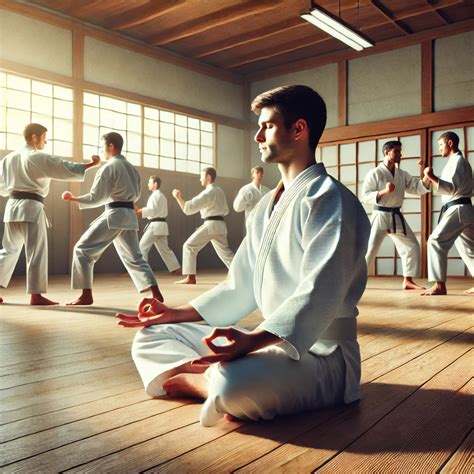
Beyond the physical, mental benefits of martial arts are profound and multifaceted. The focus during training sessions provides a valuable escape, often functioning as a mental reset from academic pressures or social worries. Practicing techniques demands concentration and presence, which cultivate an important sense of mental clarity and stress relief.
This focused engagement can enhance your child's ability to manage stress and emotional challenges effectively. Moreover, martial arts encourage perseverance and patience, as improvements are gradual and often come after significant effort. It nurtures emotional resilience, setting a foundation for facing life's inevitable setbacks with greater equanimity. Through meditation and mindfulness components inherent in some disciplines, your child learns to calm their mind, fostering a more balanced emotional state and reduced anxiety levels.
Social Benefits
In addition to personal gains, social benefits of martial arts offer a sense of belonging and community. Classes inherently promote teamwork-practitioners form bonds when sparring, supporting each other's growth and successes. This camaraderie fosters a sense of unity among youth from diverse backgrounds, allowing them to learn about collaboration and empathy.
Team-based activities encourage the formation of deep friendships, often creating a support system that extends beyond the training facility. Such environments make martial arts a social nexus where inclusivity thrives, bridging gaps and breaking down potential barriers. Your child learns respectful communication, the importance of sportsmanship, and cultural appreciation, all while building positive relationships. By participating in tournaments or group events, they experience the joys of collective achievements, which sharpens their understanding of community values.
Empowering At-Risk Youth
Empowering at-risk youth through martial arts is not merely about teaching them physical techniques; it involves instilling a sense of purpose and direction that is often absent in their lives. These programs specifically designed for young individuals facing challenging circumstances emphasize structure, discipline, and routine, providing stability and a sense of belonging. Participants learn to channel their energy positively and productively, setting boundaries and learning respect for themselves and others.
This empowerment journey involves transforming potential negative behaviors into positive outcomes through discipline and respect, creating pathways that encourage hope and self-improvement. Martial arts offer crucial social development benefits for at-risk youth. In the dojo, they encounter a diverse group of peers who foster an environment of inclusivity and empathy. These interactions teach them about cooperation and the importance of working together towards shared goals. Through sparring and group exercises, they learn to trust and support each other, nurturing essential social skills that can help form strong, supportive relationships outside the dojo. As they navigate this community, at-risk youth experience firsthand the power of a positive, inclusive community, providing them a model to carry into other areas of their lives. By promoting respect, cooperation, and honor, martial arts help these children develop as well-rounded individuals who can contribute positively to society. Our mission is about reaching out, lifting up, and building a brighter future.
Martial Arts for Kids with ADHD
For children managing ADHD, martial arts can be remarkably beneficial. This practice requires concentration, self-control, and adherence to structured routines, helping these children build essential skills that are often challenging for them. Through martial arts for kids with ADHD, your child can experience improvements in focus and impulse control as the training encourages them to maintain attention to detail and adhere to specific instructions. The emphasis on repetition and discipline supports their ability to manage ADHD symptoms better. These enhanced capabilities can translate into improved performance in academic and social settings.
Choosing the Right Martial Art for Your Teen
Selecting the right martial art for your teen can be a bit overwhelming given the variety of options available. From striking arts like Karate and Taekwondo to grappling arts like Jiu-Jitsu and Judo, each offers a unique set of skills and benefits. When choosing a martial art, consider the physical demands of the discipline. Some martial arts are more strenuous than others, requiring a higher level of physical fitness.
Before committing to a particular martial art, it might be beneficial to attend a few trial classes or observe a session. This will give both you and your teen a feel for the environment, the instructor’s teaching style, and the level of physical activity involved.
Ensuring Safety
While martial arts offer numerous benefits, it’s essential to acknowledge the physical risks involved, especially for teens who are still growing. Proper training and safety measures can significantly reduce these risks. One of the first steps is to ensure that your teen is wearing the appropriate protective gear, such as headgear, mouthguards, and pads.
Another crucial aspect is warm-up and cool-down exercises. These routines prepare the body for the physical exertion ahead and help to relax the muscles afterward, reducing the risk of strains and sprains. Encourage your teen to listen to their body and communicate openly with their instructor about any discomfort or pain they may experience during training.
Martial Arts Styles and Their Benefits
The world of martial arts is diverse, offering various styles and philosophies that cater to different needs. Here is a table outlining some popular martial arts styles and their primary benefits:
Discover the Surprising Benefits of Kids in Martial Arts
| Martial Art | Primary Focus | Key Benefits |
|---|---|---|
| Karate | Striking | Discipline, respect, self-control, focus |
| Taekwondo | Kicking | Flexibility, agility, self-confidence |
| Judo | Grappling and throws | Balance, coordination, self-discipline |
| Jiu-Jitsu | Ground fighting and submissions | Self-defense, problem-solving, mental resilience |
| Aikido | Defense and redirection | Harmony, balance, awareness |
Karate: A Holistic Approach
At its core, karate is about finding a balance between mind, body, and spirit. This is reflected in the three main principles of karate: respect, discipline, and perseverance. Respect for oneself and others is essential to maintain mind and body balance. Discipline is necessary in order to control one’s emotions and stay focused on the goal. Finally, perseverance is required to keep going when things get tough.
Through karate, children can also learn respect. Respect for themselves and others. When children respect themselves, they are more likely to care for their bodies and minds. They will make good choices about what they eat and how they spend their time. When children respect others, they are likely to be kind and considerate. They will be better prepared to resolve conflicts peacefully and develop lasting friendships. And when children respect the world around them, they will be more likely to care for the environment and to treat all living creatures with compassion.
Why Martial Arts are a Good Alternative to Team Sports
Martial arts, like karate, judo, and tae kwon do, can be a good alternative to team sports. Kids who learn and think differently can have a hard time finding a sport that suits them. Martial arts might be a good fit because:
- They focus on individual growth, not on team competition.
- They work toward specific goals.
- Routines are broken down into chunks.
- They emphasize self-control and concentration.
- They help with coordination.
- They provide structure.
- They’re a safe way for kids to get out extra energy.
- It’s an accepting environment.
- They’re cool.