For centuries, martial arts have been an integral part of cultures worldwide. While many associate martial arts with the East, the Americas boast their own rich history of fighting styles developed by its first peoples. These Native American martial arts, often practiced in obscurity, showcase deadly precision and deep philosophical roots, dating back thousands of years before European contact.
It is, however, due to this denial of indigenous militaristic prowess that we often think of martial arts as having had no origins outside of the east. Martial arts are found all around the globe, from Asia, to Europe, Africa, Peru, the Caribbean, and India. All Peoples of the earth have engaged in warfare at a given point in time. Having no exception to this rule the Native Americans of North, Central and South America had their own battle tactics, weapons usage, wrestling and combat techniques. They fought, they killed, they defended themselves and they survived from the jungle thicket of the South, all the way to the coldest and most remote places on earth.
To the Native Americans, structure spelled the difference between life and death. From learning how to hunt, raid and wage war, children were brought up in survival methods from an early age. They mastered themselves, the environment, and their carefully crafted weapons which often held a spiritual significance to the warrior. Knowing how to fight in order to defend oneself and others was the premise of the warrior and self-mastery the premise of survival. That being said the Native Americans for the past 10,000 years have practiced a warrior culture not limited to mere fighting.
This article explores the history, philosophy, techniques, and impact of American Indian martial arts, shedding light on their cultural significance and modern applications.
A lot of people who think of martial arts think of the Orient and Karate, Kung Fu, Taekwondo. Or, increasingly, the Filipino martial systems of Kali, Silat and Arnis. The Americans however, with their eyes fixed on the east have long overlooked an equally profound, philosophically rich, ancient and effective martial art that had been practiced by the first Peoples of the Americas for thousands of years before the arrival of the first Europeans. Home grown, practiced in obscurity, enacted with deadly precision, the Native Americans had developed their own diverse and effective fighting styles some 10,000 years before Columbus made landfall in Hispaniola. Harbored deep in Indigenous history, hidden among historical relics, are the tell tale-signs of this proud warrior culture.
Read also: The Ali Afshar Story
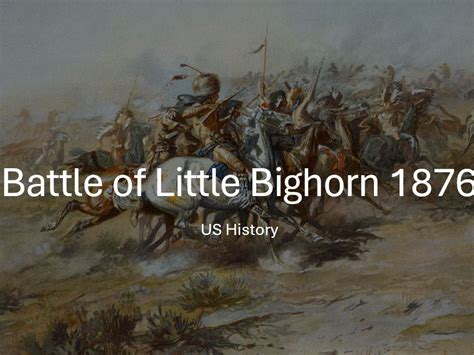
Ledger drawing of Battle of the Little Bighorn
The Re-emergence of Native American Warrior Arts (NAWA)
It is thanks to Master Danny Hoskins that the Native American warrior traditions which have all but been forgotten entirely have finally been revitalized and reintroduced to the modern age. Re-emerging after many years of cultural suppression and presented to the martial community after over twenty-five plus years of research, historical analysis and tribal contributions from elders, dancers and historians from indigenous communities all over the continent, is an all-encompassing and effective system coined NAWA or otherwise Native American Warrior Arts by this renowned martial artist, teacher and historical researcher.
NAWA as a warrior tradition includes the dances, games, hunting strategy, traps, wrestling, history, music and weapons usage of the first peoples of the Americas and includes such weapons as the knife, tomahawk, shield, lance, and various wooden and bone war clubs as distinctly utilized by each indigenous ethnic group. Symbolic Weapons.
NAWA, like almost every martial art system, includes weapon applications, empty hand translations, grappling, kicking, striking, take-downs and finishing moves. And, with modern-day applications, is an effective method for self defense today. It’s lineage can be traced as far back as Niño Cochise in the time of Geronimo and Nana. The bulk of these warrior traditions stem from many rich and diverse tribes in the Americas. Just some of these tribes are the Cheyenne, Cherokee, Blackfeet, Sioux, Omaha, Timucua, Seminole and many others. NAWA is a living and breathing tradition that is growing in popularity and practice.
Born of English and Native American descent, Danny Hoskins began his martial arts journey at just four years old. He has over 35 years experience training, researching and teaching Martial Arts worldwide, training alongside the giants of martial arts. Among his credits, Master Hoskins founded the Young Warrior MMA JuJitsu Self-Defense System. He has also lead numerous seminars all over the country and world hosted by prestigious martial arts schools. Furthermore, Danny Hoskins is a black belt and instructor ranked in Shorinji ryu Jujitsu, Serrada Escrima, Modern Arnis, Esgrima Criolla, Chulukua Ryu, Irish Stick Fighting of the Antrim Tradition, Catch Wrestling under the great Bill Wicks, and is Master Level 4 rank in Combat Glima under Grandmaster Lars Magnar Enoksen. Additionally, in the ring he is a golden glove boxing champion. Danny Hoskins a loving father, husband and grandfather at home in Missouri, USA.
Read also: Matchups at the U23 Pan American Wrestling Championships
Everyday, people are discovering NAWA to get in touch with history and their cultural roots while learning effective combat techniques. Danny Hoskins has accomplished a lot in making distance learning courses available. He’s done this by providing in-person testing options, video content, ranking opportunities, and one-on-one question and answer exchanges.
Chulukua-Ryu: A Synthesis of Native American Fighting Styles
Introduction The world of martial arts has been dominated by Asian fighting styles for decades. However, there is one fighting system that stands out as the first original American martial art- Chulukua-Ryu.
This unique fighting style was developed by Harley SwiftDeer Reagan, who combined techniques from over 175 Native American tribes to create a system that is both physically and spiritually disciplined.
Chulukua-Ryu has a rich history that dates back to Native American fighting traditions. The word "Chulukua" is taken from the Cherokee/Mayan word "Chuluaqui," which means primordial life-force energy from which everything is created. This energy, also known as "Ki" in Japanese martial arts, is at the heart of Chulukua-Ryu.
Chulukua-Ryu owes its origins to Adrian Roman, a martial arts expert and member of the Choctaw Nation. To preserve his people's fighting heritage, Roman developed Falammichi, the world's only fighting system that can trace its roots to North America. After meeting Roman, Harley SwiftDeer Reagan spent 25 years visiting different Native American tribes to learn their unique martial arts techniques. He weaved all of these systems together to create Chulukua-Ryu, which was later accredited by the International Society of Black Belts in 1970.
Read also: Kenpo Karate Maryland
The significance of Chulukua-Ryu lies in its ability to preserve and honor Native American fighting traditions. This new fighting system encouraged people to connect with nature and the energy of the universe, adding a spiritual dimension to martial arts.
Chulukua-Ryu emphasizes physical and spiritual discipline, believing that a strong warrior spirit is necessary to master the system. Chulukua-Ryu is also unique in its techniques, with its influences from over 175 Native American fighting styles. Use of weapons such as tomahawks, and unique skills such as fighting from the ground make Chulukua-Ryu an experimental and exciting system to learn.
Overall, Chulukua-Ryu's significance lies in its preservation of cultural heritage and the unique fighting techniques that form its system. Its impact on modern martial arts and the spread of Native American fighting traditions make it an important addition to the world of martial arts.
Origins of Chulukua-Ryu
The history of Chulukua-Ryu can be traced back to its roots in Native American fighting styles. Soke Harley SwiftDeer Reagan, who is of Cherokee and Irish descent, spent 25 years visiting different Native American tribes and learning their unique warrior arts. From Apache hand throws to tomahawk techniques, SwiftDeer received a staggering 175 techniques, which he synthesized into an entirely new martial art.
Adrian Roman, a martial arts expert and member of the Choctaw Nation, played a significant role in creating Chulukua-Ryu. Roman developed Falammichi, a Native American fighting system, as a way of preserving his people's fighting heritage. Falammichi is the world's only fighting system that can trace its roots to North America. It requires physical discipline, with a strong emphasis on applying spiritual principles to martial arts and everyday life. These principles heavily influenced the creation of Chulukua-Ryu.
Soke Harley SwiftDeer Reagan
The spiritual principles behind Chulukua-Ryu are rooted in connecting with nature and the energy of the universe. Chulukua, which means primordial life-force energy in Cherokee/Mayan, represents the energy from which everything is created. The incorporation of spiritual discipline into martial arts sets Chulukua-Ryu apart from other fighting styles.
One of the unique things about Chulukua-Ryu is its incorporation of over 175 Native American fighting styles. Techniques range from simple but effective Apache hand throws to fighting from the ground. The use of weapons is also an essential aspect of Chulukua-Ryu. Geronimo, one of the greatest warriors to have ever lived, used some of the Chulukua-Ryu techniques in battle.
In conclusion, the origins of Chulukua-Ryu lie in the Native American warrior arts and spiritual principles. The synthesis of 175 techniques from 175 Native American tribes and the incorporation of spiritual discipline make Chulukua-Ryu a unique fighting style. Adrian Roman's influence and the insights passed down through the generations of Native American warriors have undoubtedly helped shape Chulukua-Ryu into a distinct and effective martial art.
Philosophy of Chulukua-Ryu
Chulukua-Ryu is not just a fighting system but also a way of life. It places a strong emphasis on being connected with nature and the energy of the universe. Practitioners of Chulukua-Ryu believe that everything in the world is connected, and that the key to mastering the art is to be in tune with these connections. This includes having a deep understanding of one's own body, as well as the surrounding environment.
Physical and spiritual discipline is another key element of Chulukua-Ryu. The art requires not just physical prowess but also a strong focus on mental and emotional control. It’s not just about being skilled in combat, but also having the discipline and determination to achieve success in all aspects of life.
Finally, the warrior spirit dominates Chulukua-Ryu philosophy. Practitioners are taught to embrace their inner warrior, to be fearless and have an unbreakable will, to never give up even when the odds are against them. The spirit of the warrior requires that one be willing to make personal sacrifices and to face challenges head-on. It is a way of life that emphasizes purposeful action and resilience.
Chulukua-Ryu’s philosophy involves more than just combat and physical prowess. It has a holistic approach to life which can benefit practitioners in all facets of their existence. The system’s deep respect for nature and spiritual principles make it unique among martial arts. Its emphasis on discipline and the warrior spirit can empower practitioners to take control of their lives and achieve great things.
Techniques of Chulukua-Ryu
One of the most unique aspects of Chulukua-Ryu is the incorporation of over 175 Native American fighting styles into its repertoire of techniques. This vast array of techniques ranges from simple hand throws to tomahawk strikes to scissor kicks while on horseback. The roots of this fighting system are truly indigenous and steeped in history, making it a one-of-a-kind martial art.
Another distinctive feature of Chulukua-Ryu is its focus on ground fighting. Unlike other martial arts that primarily focus on standing techniques, Chulukua-Ryu teaches students how to fight while lying on the ground. This technique is useful in scenarios where a fight has gone to the ground, offering new ways to defend oneself and defeat an opponent.
Chulukua-Ryu also utilizes a wide variety of weapons in their fighting style. From tomahawks to knives to bows and arrows, the use of weapons in Chulukua-Ryu is both varied and practical. The incorporation of weapons into the fighting style adds an extra layer of complexity and skill needed to master the art.
Perhaps what sets Chulukua-Ryu apart is its emphasis on practical self-defense. The techniques used in Chulukua-Ryu are meant to be simple and effective, with an emphasis on close-range combat. This makes it a valuable martial art for anyone looking to learn self-defense in real-world scenarios.
Overall, Chulukua-Ryu is a unique and effective martial art that incorporates history, indigenous fighting techniques, and practical self-defense. Its focus on ground fighting, use of weapons, and practical techniques make it a valuable addition to anyone's martial arts repertoire.
Training in Chulukua-Ryu
Training in Chulukua-Ryu is a unique and intense experience that requires both physical and spiritual discipline. The martial art emphasizes the importance of meditation and visualization in training to cultivate the mind-body connection. Through meditation, practitioners can learn to focus their minds and visualize themselves performing techniques with precision and accuracy. This mental training helps to enhance a practitioner's reaction time and adaptability in combat situations.
Physical conditioning is also a crucial part of Chulukua-Ryu training. Practitioners must develop strength, flexibility, and endurance to perform the martial art's challenging techniques successfully. This physical preparation involves various exercises, including cardio, strength training, and yoga. The martial art also incorporates traditional Native American practices, such as running and swimming, to build physical endurance.
Chulukua-Ryu has a rank system that reflects a practitioner's level of expertise and commitment to the martial art. The rank system begins with white belts and progresses through various colored belts, ultimately leading to the level of black belt. Earning a black belt in Chulukua-Ryu requires significant dedication and training, both physical and mental.
Overall, training in Chulukua-Ryu is a transformative experience that requires both physical and mental discipline. It is an opportunity to connect with Native American traditions while pushing oneself to new limits. Whether practitioners aim to attain a rank or to improve their overall physical and mental health, Chulukua-Ryu offers a unique and rewarding journey towards self-improvement.
Okichitaw: Plains Cree Martial Art
George Lepine’s (Plains Cree-Assiniboine) sixth degree black belts in Taekwondo and Hapkido inform his own form of martial arts rooted in traditional Plains Cree fighting styles. Established in 1997, the martial arts system known as Okichitaw includes hand combat training and weaponry like knives, tomahawks, and gunstocks.
Okichitaw Indigenous Martial Arts
Okichitaw is a unique, powerful, practical combat art system that uses basic but aggressive combat movements that were employed specifically throughout Plains Indigenous Warfare. Based on Indigenous Plains combat techniques and tactics, this concurrent version of the combat art embodies the spirit of the Plains Warrior fighting and warfare applications through the utilization with traditional weapons.
All hand, foot and body mechanics are a reflection of specific Plains Cree weaponry and their respective movements.
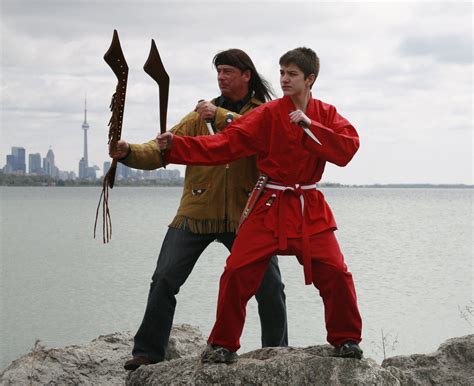
Okichitaw
The Allied Tribal Martial Arts Federation (ATF)
Allied Tribal Martial Arts Federation (ATF Tribal Martial Arts) - This is the Martial Arts Fellowship Organization created by Great Grand Elder Fred Weeks to expand the circles of ATF influence and promote research and appreciation for Native American, Filipino, and Tribal Martial Arts Cultures and Systems around the world.
ATF Tribal Martial Arts is also a Black Belt Validation Program which recognizes and accredits Black Belt Rank of practitioners recommended by ATF Tribal Elders. The Allied Tribal Martial Arts is dedicated to raising the awareness and appreciation of the Warrior Culture from around the world with a focus upon the Filipino, Indonesia, Malaysian, and Native American Arts.
Each year we host the Tribal Council where martial artist from around the world come and train during the day in various Martial Arts Seminar Classes, Subjects, Disciplines, and Styles. Then at night, We travel to a Camp where we Teach Tribal Combat Games, Mock Combat & Melee, Throw Spears, Make Whips, Have a huge Cookout & Bon Fire, and then Native American Dancers Drum while you have an opportunity to actually dance the Pow Wow, Bag Pipers Play, We have an Elder Grand Entrance, and We award Black Belt Validations and Promotions.
Allied Tribal Martial Arts Federation Council Elders as of September 2021
- Fred Weeks, Great Grand Elder/Ugidoda - Matho Paha
- Susan Weeks, Great Grand Elder/ Uncicila
- Tom Hunnicutt, Great Grand Elder/Ugidoda (posthumous)
- Keith Waggoner, Great Grand Elder/Ugidoda - Thogkteka
- Wes Craft, Great Grand Elder/Ugidoda - Taregon Abomasine
- Janet Atkinson, Grand Elder/Elisi - Ghigau
- Gary Ring, Grand Elder/Undusonuhi - Anunkhasa
- Jamie Yowell, Elder/Ugvwiyuhi - Wayawa
- Doug Blanford, Elder/Ugvwiyuhi
- William Fortson, Elder/Ugvwiyuhi - Hia Galo Hi-s-di
- James Kapales, Elder/Ugvwiyuhi - Atsidi
- Rick Baker, Elder/Ugvwiyuhi - Akagoya Wichasa
- Jeremy Turner, Elder/Ugvwiyuhi - Tsuwa Ayastigi
- Dennis Reed, Elder/Ugvwiyuhi - Shunkmanitu Isnala
- John Arnold, Elder/Ugvwiyuhi - Ithuhu Washtay
- Gene Cullum, Chaplain/Galvquoliyo Asgaya - Undative Ayvdagaulosgv
The Impact of Chulukua-Ryu
The impact of Chulukua-Ryu has been significant both inside and outside of Native American communities. Its unique approach to martial arts has influenced modern practice and preserved traditional fighting styles. With a focus on spiritual and physical discipline, Chulukua-Ryu has spread beyond its roots to become a respected and sought-after martial art.
While traditional fighting styles have been adapted and altered over the years, Chulukua-Ryu remains true to its origins. The emphasis on over 175 Native American fighting styles and the use of weapons like tomahawks sets it apart from other martial arts. Despite being created by a member of the Choctaw Nation, Chulukua-Ryu has influenced modern martial arts far beyond the Native American community. The use of meditation and visualization techniques, as well as the incorporation of spiritual principles, has found its way into many martial arts practices today.
Perhaps most importantly, Chulukua-Ryu has helped to preserve Native American fighting traditions. Its incorporation of styles passed down through generations has ensured that they are not lost to history. For those looking to connect with their heritage or learn more about the history of indigenous peoples, Chulukua-Ryu is a valuable resource.
In short, Chulukua-Ryu has had a profound impact on the world of martial arts and the preservation of Native American culture. Its unique blend of traditional fighting styles, spiritual principles, and weapons training has made it a sought-after practice for those looking for something different.