Brazilian Jiu-Jitsu (BJJ) is more than just a martial art; it's a comprehensive discipline that offers a wide array of benefits for both the body and mind. From physical fitness improvements to enhanced mental well-being and a strong sense of community, BJJ has proven to be a transformative practice for people of all ages and backgrounds. This article explores the multifaceted advantages of BJJ, drawing on research and testimonials to illustrate its profound impact.
Physical Health Improvements
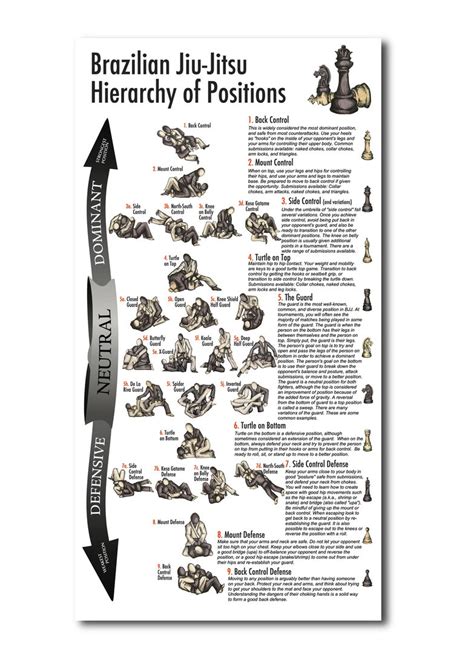
The physical benefits of BJJ are numerous and well-documented. Regular training enhances cardiovascular health, muscular strength, and endurance. A systematic review suggests that BJJ is effective in improving overall physical fitness. The intense physical activity involved in BJJ leads to:
- Improved cardiovascular health
- Increased muscular strength
- Enhanced endurance
- Better body composition
- Superior muscular endurance
BJJ offers an intense full-body workout that gets your heart pumping and allows you to build cardiovascular endurance. You push your limits during drills and sparring, which allows you to grow and sustain your ability to roll for longer periods. With constant movement and resistance training, through drilling takedowns, sweeps, submissions, and defense, your muscles get stronger. Your body twists and turns while practicing techniques, which also improves agility. Over time, you become more flexible and improve your mobility, which has real-world practical applications. Learning how to breakfall correctly is part of Miami Dolphins quarterback Tua Tagovailoa’s strategic injury-prevention plan.
If you’re trying to shed the extra pounds, BJJ is a great form of exercise. You’re constantly engaging multiple muscle groups in every Jiu Jitsu class.
Lesson 1 - Gracie Combatives 2.0 (Beginner Brazilian Jiu-Jitsu / BJJ - Full Lesson)
Mental Health Benefits
Beyond the physical aspects, BJJ offers significant mental health benefits. Engaging in this martial art can provide stress relief, build resilience, boost confidence, create a supportive community, and enhance mindfulness and mental focus. These benefits contribute to a sense of well-being and personal growth.
Read also: Copernican Principle and the Search for Aliens
Engaging in BJJ allows practitioners to release stress and tension accumulated throughout the day. In the academy, practitioners have the ability to fully release the tensions of their day-to-day lives and live in the moment.
Anyone who trains Brazilian Jiu-Jitsu for an extended period of time will at some point tell you about the wondrous benefits they have developed as a result of their time invested in the sport. The mental health benefits of Brazilian Jiu-Jitsu go far beyond physical fitness.
Brazilian Jiu-Jitsu practitioners have reported improvements in mental focus, concentration, and mindfulness as a result of their training.
Stress Relief
BJJ is an excellent outlet for stress relief. The physical exertion required to train BJJ causes your body to release endorphins, hormones that make you feel happier. When you train and learn new techniques, your brain gets a chance to practice its neuroplasticity, which means your brain gets to grow and maintain neurons and neurocognition. This can improve your cognitive function and your mood.
Building Resilience
One of the core aspects of BJJ is learning how to face and overcome challenges. Practitioners often find themselves in difficult and uncomfortable positions during training, teaching them resilience, patience, and problem-solving skills that are applicable both on and off the mat. BJJ gives people mental clarity that translates into many elements of life outside the mats.
Read also: Training at Alliance Chula Vista
Boosting Confidence
As individuals progress in their BJJ journey, they gain confidence in their abilities and skills. You also get the chance to challenge yourself and celebrate wins (big and small) with your peers, which is great for self-confidence, and social interactions.
Mindfulness and Mental Focus
BJJ requires a high level of mental focus and presence. BJJ teaches you to be mentally present. You learn how to commit your brainpower towards whatever you’re trying to accomplish such as finishing a submission or recovering from a hard throw.
Critical Thinking
Brazilian Jiu Jitsu gives you regular opportunities to test out solutions to problems you’re dealing with on the mat. You receive instant feedback as to whether or not what you’re doing works.
BJJ for Veterans and First Responders
BJJ has emerged as a pivotal intervention for enhancing veterans’ and first responders’ mental and physical well-being. This martial art is known for its emphasis on ground fighting and submission. It offers more than just physical training; it provides a structured environment that fosters psychological resilience and social reintegration.
Physical Rehabilitation
BJJ plays a significant role in soldiers’ physical rehabilitation and mental recovery. BJJ’s comprehensive approach helps improve physical mobility and flexibility, often compromised during active-duty service. Engaging in BJJ aids in building both strength and endurance, which is critical for the comprehensive recovery of injured soldiers.
Read also: New Jujutsu Odyssey Codes
Mental Discipline and Community
BJJ provides veterans a therapeutic environment that fosters mental discipline and builds a strong community. Engaging in BJJ allows veterans to experience controlled physical interactions, which can be crucial for regaining trust in their bodily responses and reducing hyperarousal associated with PTSD. The structured setting of BJJ classes offers a predictable and safe environment where veterans can learn new skills in a supportive atmosphere.
Easing PTSD Symptoms
Research shows significant improvements in PTSD symptoms among participants attributed to the physical exertion and mental focus required in BJJ training. The study highlights how BJJ helps in developing coping strategies for stress and trauma, which are critical for long-term mental health recovery. The study also emphasizes the sense of accomplishment and increased self-esteem from progressing in BJJ.
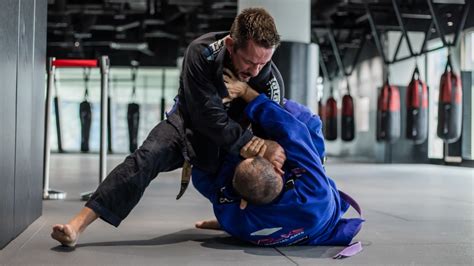
BJJ training can be therapeutic and beneficial for veterans.
Reintegration into Civilian Life
BJJ’s disciplined environment helps veterans transition by providing a structured routine similar to that experienced in the military. This similarity helps mitigate the culture shock many veterans experience post-service. Furthermore, BJJ fosters a sense of community and brotherhood among its practitioners, which mirrors the camaraderie found in the military. This aspect of social support is crucial for veterans who may feel isolated after their service.
BJJ for Law Enforcement
BJJ is proving to be a transformative tool for law enforcement, offering a multifaceted approach to officer training that extends beyond physical tactics to include significant mental and emotional benefits. BJJ training enhances mental acuity, decision-making under pressure, and interpersonal skills, which are essential in the high-stress context of law enforcement work.
Improving Use-of-Force Protocols
BJJ training helps officers maintain calm and control in high-stress situations, reducing the likelihood of excessive force. BJJ provides officers with effective yet non-lethal techniques, crucial in safely managing physical confrontations. Additionally, the discipline and mental focus developed through consistent BJJ practice enhance officers’ decision-making abilities, allowing them to assess situations more accurately and respond appropriately.
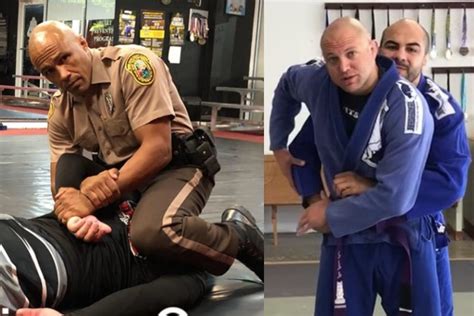
BJJ Training for Law Enforcement Improves Safety and Control
Reducing Injuries and Complaints
Comprehensive physical training enhances flexibility, strength, and overall body awareness, leading to a reduction in injuries. Officers trained in BJJ are better prepared to handle physical confrontations safely and efficiently, protecting themselves and the individuals with whom they interact. The data also underscores the potential for BJJ training to transform standard police training protocols.
BJJ for Children
Kids Jiu Jitsu, especially Brazilian Jiu Jitsu, is about protection and respect. Students do not merely learn how to defend themselves from an attacker; they learn respect for their skills and how to use them appropriately and effectively.
Self-Defense and Respect
The first goal of any martial arts training is self-defense. Students walk away from classes with increased confidence, focus and self-esteem. However, Brazilian Jiu Jitsu is unique in its real-world application.
Teaching Humility
One of the critical components of any martial art is learning how to be humble in both victory and defeat. As a fighting style, Jiu Jitsu is challenging and requires focus and sustained discipline.
Building Confidence
For those who stick with the practice, confidence is a natural side effect. The push to master movements and think through attacks leads to a boost in self-esteem and awareness.
Social Skills and Friendship
Our kids Jiu Jitsu training will also expose children to individuals from all walks of life. Friendship is a natural progression in training. The mutual struggle and practice lead to commonality and community.
Goal Setting and Practice
The journey toward Jiu Jitsu mastery involves a lot of stepping stones. This bottom-up approach is an excellent way to demonstrate goal setting and the need for practice.
Focus and Empowerment
Another typical skill children can develop during training is focus. Students become empowered by failure, motivated to do better and improve their skills.
Building a Supportive Community
BJJ academies often foster a strong sense of community and camaraderie among practitioners. The Team is very welcoming and make you feel at home. Professor Quan has created a great atmosphere here. Maven Academy made us feel like we were a part of a family from the moment we walked in and met Professor Quan, his instructors, existing students and all of their families. The people are welcoming.
You’ll get to experience the bond that comes from training together. BJJ is challenging both physically and mentally so you’ll quickly learn to work with your teammates to make real progress.
There’s nothing like the BJJ community! The martial arts community is also diverse, with a variety of different backgrounds, ages, professions, and skill levels all converging on the mats. Regardless of your background or experience, you’re there for a shared passion. The community also never fails to step up and provide unwavering support through tough times. Whether it’s dealing with injuries, personal struggles, or navigating life’s hurdles, the BJJ community rallies around its members, providing encouragement and empathy.
Because of the hierarchical structure of BJJ, with belts and stripes indicating proficiency, it offers a natural framework for mentorship too. Because of the trust and focus needed to be a good training partner, your training partners quickly become partners in the shared pursuit of improvement. You share struggles and triumphs, wins and losses. Through a mutual understanding of the challenges you face on the mats, you create unique bonds with your training partners. These people genuinely care about your progress!
The Philosophy of BJJ
There is a unique philosophy that molds the mindset of BJJ practitioners. In a world often dominated by sheer power, BJJ celebrates the art of using minimal force to achieve maximum efficiency. Practitioners learn to leverage their body weight and position strategically, allowing them to control and submit opponents who may be physically stronger.
Growth Mindset
BJJ fosters a growth mindset, a belief that abilities and intelligence can be developed through dedication and hard work. BJJ practitioners understand that setbacks are growth opportunities, and failures are stepping stones toward mastery. When you apply this mindset beyond the mats, you can form a better perspective on how to approach challenges. I believe a growth mindset is essential to success both on and off the mats. There is always room to grow, and if you can get beyond the “embarrassment” of failure (just our ego talking) you will truly excel. Having a growth mindset has helped me immensely in my professional life, as well as with my personal relationships. Approaching life with a growth mindset has allowed me to continue to “fail forward” and build on all my experiences, ultimately making me better.
Humility
A growth mindset also goes hand-in-hand with humility. The practice of BJJ humbles even the most experienced practitioners, thanks to its constant exposure to vulnerability. In training, individuals find themselves tapping out or being controlled by training partners, regardless of rank or experience. It’s a recognition that there is always more to learn, and everyone, regardless of rank, is a perpetual student. Whether it’s your first class or you’ve been training for years, BJJ does not have a final destination.
Table: Benefits of Brazilian Jiu-Jitsu
| Category | Benefit | Description |
|---|---|---|
| Physical Health | Cardiovascular Health | Improves heart health and endurance. |
| Physical Health | Muscular Strength | Develops upper body, core, and leg strength. |
| Physical Health | Weight Loss | Engages multiple muscle groups, aiding in weight management. |
| Mental Health | Stress Relief | Releases endorphins, reducing stress and improving mood. |
| Mental Health | Resilience | Teaches how to overcome challenges and develop problem-solving skills. |
| Mental Health | Confidence | Builds self-esteem through skill progression and peer interaction. |
| Mental Health | Mental Focus | Enhances the ability to stay present and concentrate on tasks. |
| Social | Community | Fosters strong bonds and supportive relationships among practitioners. |
| Personal Development | Self-Defense | Provides practical skills to protect oneself in dangerous situations. |
| Personal Development | Critical Thinking | Offers regular opportunities to test solutions and receive feedback. |