Professional wrestling throws involve lifting an opponent and throwing or slamming them down. They are sometimes called "power" maneuvers, emphasizing a wrestler's strength. Many are used as finishers, named to reflect a wrestler's gimmick.
A Bulldog is any move in which the wrestler grabs an opponent's head and jumps forward, so that the wrestler lands, often in a sitting position, and drives the opponent's face into the mat. Originally, a Bulldog was known as bulldogging or a bulldogging headlock or the headlock jawbreaker.
Let's delve into the specifics of this impactful move and its variations.
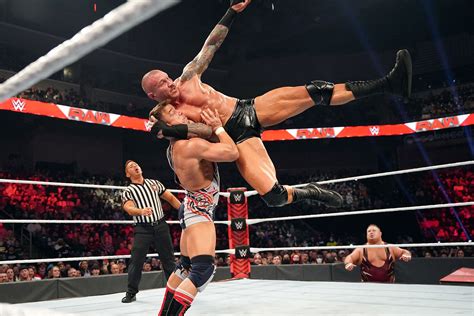
Bulldog Variations and Setups
Full Nelson Facebuster-Like Bulldog
This variation sees the wrestler holding the opponent in a full nelson. The wrestler then leaps forward into a sitting position, driving the face of the opponent into the ground.
Half Nelson Bulldog
The wrestler hooks a half nelson hold on their opponent with one arm and their opponent's waist with the other. He then leaps forward into a sitting position, driving the face of the opponent into the ground.
Read also: Discover the story of Casey Swiderski
Seated Position Bulldog
The attacking wrestler stands side-to-side and slightly behind the opponent, facing in the opposite direction. From there, he/she leaps in the air and drops to a seated position driving the opponent neck and back first to the mat. In another variation, the attacker runs to the opponent and executes the move.
Supine Landing Bulldog
Standing next to or diagonally behind an opponent, the attacking wrestler leaps up, grabs the opponent's head and pulls backwards, resulting in both individuals landing supine. Current TNA wrestler Nic Nemeth uses and popularized this move, which he calls the Danger Zone.
Rope Assisted Bulldog
Similar to a hangman, where the wrestler catches the opponent in a side headlock, running towards any set of ropes. The wrestler then jumps over them and bulldogs the opponent, driving the chin/face of the opponent into the top rope.
Fireman's Carry Bulldog
The wrestler places the opponent in a modified fireman's carry, in which the opponent is held diagonally across the wrestlers back with their legs across one shoulder and head under the opposite shoulder (usually held in place with a facelock). The wrestler places both his hands behind the opponent's head, and then falls into a seated position, slamming the opponent's face into the canvas.
Wheelbarrow Bodyscissors Bulldog
This bulldog sees the opponent clutching the wrestler in a wheelbarrow bodyscissors. The wrestler then falls downwards while still scissoring his legs around the opponent's waist and pushes himself by hitting his palms against the canvas.
Read also: Sectional Wrestling Tournament Details
The Dudley Boyz’ Table Rampages: WWE Top 10
Related Wrestling Moves
Here's a look at some other wrestling moves that share similarities with the Bulldog or are used in conjunction with it:
- Brainbuster: A wrestler puts their opponent in a front facelock, hooks their tights, and lifts them up as if they were performing a vertical suplex.
- Back Body Drop: A move in which a wrestler bends forward or crouches in front of their opponent, grabs hold of the opponent, and stands up, lifting the opponent up and over and dropping them behind the back.
- Arm Drag: The wrestler grabs their opponent's arm, then turns to face the other direction and pulls the opponent over their shoulder.
- Chokeslam: Any body slam in which the wrestler grasps their opponent's neck, lifts them up, and slams them to the mat, causing them to land on their back.
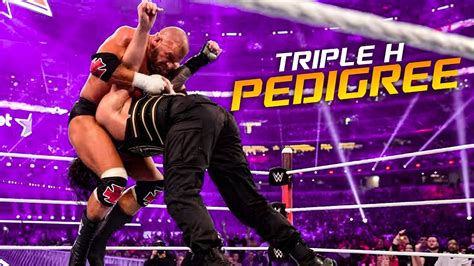
The Evolution of Wrestling Language
Professional wrestling has its own unique language, with terms that have evolved over time.
In the carnival and territory days, a "hooker" was insurance against double-crosses. As kayfabe declined and match outcomes became strictly scripted entertainment, there was less need for legitimate shooters in the locker room.
In the wrestling territory days, "going Broadway" was a tactic to keep both wrestlers strong while building suspense for future matches. As timed matches fell out of favor and fans demanded more decisive finishes, however, the term lost relevance.
Being labeled a "stooge" was one of the worst insults in wrestling, implying betrayal of the wrestler code. As modern promotions embraced more structured, corporate environments, the informal "stooge" role lost significance.
Read also: The story of Angelo Posada
The term "jobber" was commonplace in the enhancement match era. Today’s wrestling culture has shifted to emphasize equality, talent building, and brand integrity, making the label “jobber” feel disrespectful.
| Term | Meaning | Relevance Today |
|---|---|---|
| Hooker | A wrestler skilled in legitimate grappling and submission holds. | Less relevant as kayfabe declines. |
| Going Broadway | A match ending in a time-limit draw. | Lost relevance as fans demand decisive finishes. |
| Stooge | Someone who betrays the wrestler code. | Less significant in modern, corporate promotions. |
| Jobber | A wrestler who consistently loses to make others look strong. | Considered disrespectful in today's wrestling culture. |
Understanding these terms provides insight into the historical context and evolution of professional wrestling.