Imagine a martial art that combines fluid movements, acrobatics, and rhythm, all while providing a robust self-defense strategy. Capoeira, a Brazilian martial art with roots in African history, embodies this unique blend, captivating practitioners and observers alike with its graceful yet powerful techniques.
Capoeira (pronounced cap-wearer) is a Brazilian martial art form, combining self-defence, acrobatics, dance, music and song. It is a unique art that has captured the hearts of many around the world. Practicing Capoeira can do wonders for your physical and mental well-being.
What is Capoeira?
Capoeira is a martial art originating in Brazil that combines elements of fight, acrobatics, music, dance, and rituals in a very elegant and magnetic way. It was developed by slaves who used it to disguise the fact that they were practising fight moves. Performed by two people, it is often called a "game" that is played, not a fight. Capoeira is 'played' (it's known as the 'game', or jogo) in a circle called a roda, accompanied by music and singing. Only the hands and feet touch the floor.
The Historical Context of Capoeira
Capoeira originated in Brazil during the colonial period, primarily among African slaves who sought to protect themselves from their oppressors. The term "capoeira" is believed to derive from the phrase "round forest," referring to the low-lying fields where enslaved individuals would practice their movements. To evade punishment, capoeira was often disguised as a dance, incorporating musical elements and rhythmic movements.
Capoeira's transformation into a more recognized martial art took place throughout the 20th century. With the establishment of formal schools and the introduction of competitions, capoeira began to attract a wider audience. The art form has gained international respect, with practitioners worldwide embracing its unique blend of athleticism, artistry, and cultural significance.
Read also: Transform Your Life with MMA
Physical Benefits
Practicing capoeira has numerous benefits for both your physical and mental well-being. Its unique combination of dance, music, and martial arts can help you build strength, flexibility, and endurance.
Capoeira is an excellent form of exercise because it targets multiple muscle groups, giving you a full-body workout. The art involves a lot of movements that require strength, balance, and flexibility.
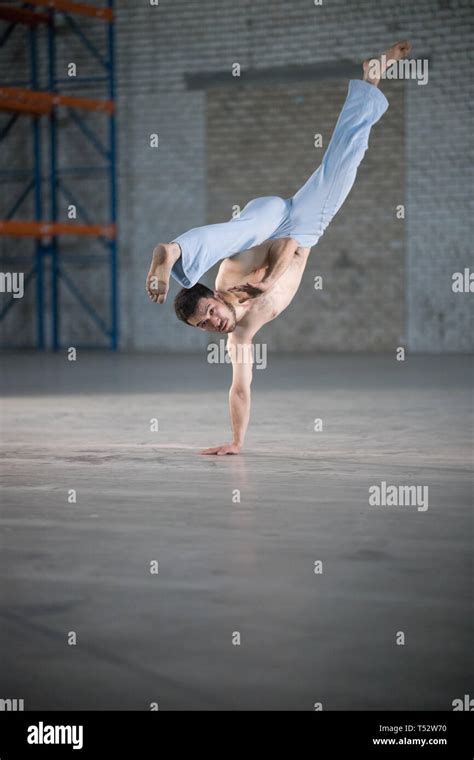
- Enhanced Flexibility: In Capoeira, you have to perform various movements that require flexibility, such as kicks, cartwheels, and handstands. These movements help improve your body's flexibility and enhance your range of motion.
- Good for agility and fast reflexes: Capoeira is all about reacting quickly to evade, trick or 'attack' your opponent. Regular practice builds fast reflexes and superior agility.
- Boosts heart: Weight-bearing movement in all directions is demanding on the cardiovascular system, increasing stamina.
Self-Defense Applications
As society continues to grapple with issues of safety and personal security, understanding the self-defense applications of capoeira becomes increasingly relevant.
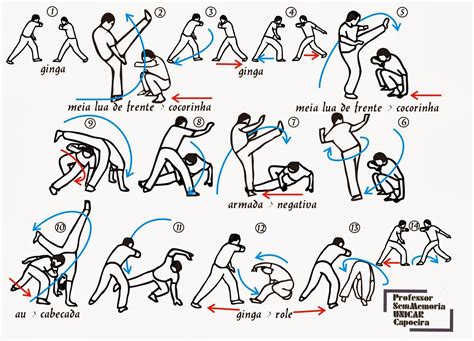
One of the most significant advantages of capoeira is its emphasis on fluid movement and agility. Practitioners develop exceptional balance, coordination, and flexibility, which are crucial for effective self-defense. Capoeira's dynamic footwork, including the "ginga" (a fundamental movement), allows practitioners to evade attacks while maintaining a ready position to counter.
Capoeira incorporates a variety of strikes and kicks, many of which are executed from unconventional angles. Techniques such as the "meia-lua" (half-moon kick) and "cabeçada" (headbutt) can be particularly effective in a self-defense scenario. Moreover, the use of open-handed strikes and kicks reduces the risk of injury to the capoeirista's hands, as opposed to traditional striking arts that rely heavily on punches.
Read also: Keeping a BJJ Journal
Capoeira emphasizes not only offensive techniques but also effective defensive strategies. Practitioners learn to anticipate and react to attacks, employing evasive maneuvers and counterattacks.
Capoeira is much more than a captivating martial art; it is a powerful tool for self-defense that combines agility, fluidity, and mental resilience. With its unique techniques and emphasis on situational awareness, capoeira prepares individuals to navigate challenging situations with confidence and skill.
Mental and Emotional Benefits
Capoeira is not just about the physical aspects, but also about the mental and emotional aspects. It is a form of art that requires focus and concentration. When you practice capoeira, you'll notice that your mental fortitude improves over time.
Training in capoeira fosters confidence and resilience, essential traits for self-defense. As practitioners learn new techniques and overcome physical challenges, they develop a sense of accomplishment that translates into increased self-esteem. Moreover, capoeira encourages resilience by teaching practitioners to embrace failure and learn from setbacks.
The practice of capoeira encourages practitioners to maintain a keen awareness of their surroundings, enabling them to identify potential dangers and respond accordingly. One of the critical skills cultivated through capoeira training is the ability to read people and environments. During a capoeira session, practitioners must remain aware of their surroundings, noting the movements of fellow participants in the "roda" (circle). In a chaotic environment, being able to spot those who pose a risk can be invaluable.
Read also: Training Like Kevin James
The practice of capoeira also enhances mental agility, training practitioners to think on their feet and react swiftly to changing circumstances. Capoeira's emphasis on improvisation-where practitioners often create spontaneous movements during a roda-encourages creative problem-solving.
Community and Cultural Appreciation
Capoeira is steeped in rich cultural history, dating back to the 16th century. Practicing this art form allows you to appreciate and learn more about Afro-Brazilian culture.
Capoeira is deeply rooted in community, fostering a sense of belonging among practitioners. The supportive atmosphere encourages individuals to share their experiences, challenges, and successes, creating a network of camaraderie. The inclusive nature of capoeira attracts individuals from diverse backgrounds, promoting acceptance and mutual respect.
Capoeira is not only a solo activity, but it's also a group activity. You train with a partner and a community of people who share your love for the art form. It's a great way to meet new people, make friends, and build a sense of belonging.
Capoeira for Kids
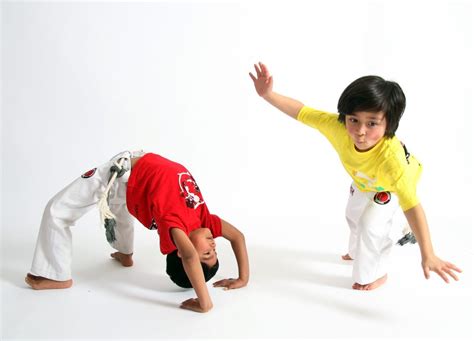
Capoeira is great for kids! Children of all ages learn Capoeira very quickly because of their natural agility. The fun friendly atmosphere develops confidence and self esteem. Capoeira movements involve the entire body; they develop strength and increase flexibility. The Capoeira music motivates and creates an exciting learning atmosphere.
Getting Started with Capoeira
You need refreshingly little to start capoeira. As a beginner, you can get away with tracksuit bottoms and a T-shirt (but not one that is too big, because you'll often be upside down and don't want it over your face). Most capoeira groups have their own uniform (basically, loose white pants and a branded top), so if you attend regularly you will probably need to invest. You can go barefoot, or wear nonslip lightweight shoes, such as those designed for pilates or other low-impact indoor workouts.
Capoeira isn't just a workout - there are musical instruments involved (specifically the berimbau, a stringed instrument), there's singing in Portuguese to master, and various customs and etiquette to get to grips with.
The London School of Capoeira was the first place to offer capoeira in the UK, and has various teaching locations throughout the capital - with open classes, workshops and courses. The eight-week beginner course runs all year and costs pounds 110.
| Benefit | Description |
|---|---|
| Full-body workout | Targets multiple muscle groups, enhancing strength, balance, and flexibility. |
| Improved Flexibility | Enhances range of motion through various movements like kicks and cartwheels. |
| Mental Fortitude | Improves focus and concentration, fostering mental resilience. |
| Cultural Appreciation | Allows you to appreciate and learn more about Afro-Brazilian culture. |
| Community Building | Provides a supportive environment to meet new people and build lasting friendships. |
So, why not give Capoeira a try?