Martial arts have long been recognized as more than just a form of self-defense. They offer a wide range of physical, mental, and emotional benefits for both kids and adults. We see more parents enrolling their children in martial arts classes than ever before.
In this article, we will explore the numerous advantages of practicing martial arts, from improved fitness and self-confidence to enhanced discipline and stress relief. Martial arts for kids include structured physical activities like karate, taekwondo, and judo. These programs teach children self-defense moves, respect, and discipline.
Why Kids Practice Martial Arts
Why kids practice martial arts goes beyond physical fitness. Children learn to set goals and work hard to achieve them. Martial arts schools and arts schools academies create safe spaces for growth. Kids learn to handle challenges with patience and determination. Parents appreciate how martial arts training builds character. Children become more confident in school and social situations.
The structured nature of martial arts helps children thrive. Clear rules and expectations create a sense of security.
Adapting Martial Arts for Different Ages
Different ages require different approaches to martial arts training. Younger children need more play-based activities and shorter attention spans. The martial arts lifestyle for kids adapts as they grow. Programs evolve to match their physical and mental development.
Read also: Individual Martial Arts Instruction
Toddlers
Toddlers benefit from simple movement activities. They learn basic motor skills through fun games and activities. We see toddlers develop balance and coordination early. They practice basic movements like jumping and rolling. Social skills emerge naturally in toddler martial arts classes. Children learn to share space with others.
Three-Year-Olds
Three-year-olds can follow basic directions from instructors. They enjoy structured activities mixed with play. Children at this age develop body awareness. They learn to control their movements more precisely. We notice three-year-olds become more independent in class. They start to dress themselves in their uniforms.
Four-Year-Olds
Four-year-olds can learn simple martial arts forms. They practice basic kicks and punches with better control. Kids at this age understand the concept of respect. They bow to instructors and listen when others speak. Physical strength increases noticeably at four years old. Children can hold positions longer and move with more purpose.
Five-Year-Olds
Five-year-olds are ready for more structured martial arts training. They can remember sequences of movements. Self-control becomes more apparent in five-year-olds. They can practice without constant supervision. We observe better social interactions at this age. Children work together in partner drills.
Six-Year-Olds
Six-year-olds can handle complex techniques and combinations. They understand the connection between effort and improvement. Kids at this age take martial arts more seriously. They set personal goals for belt advancement. Physical coordination reaches new levels at six. Children can perform skills that require balance and timing.
Read also: The Jade Fortress Martial Arts System
Styles of Martial Arts for Kids
Different styles of martial arts offer unique advantages. Some focus more on striking, while others emphasize grappling. Kids martial arts lessons vary by style and school. Some programs combine multiple disciplines into one curriculum. We recommend trying several styles before committing long-term. Many arts schools and academies offer trial classes. The best martial arts for kids depends on individual personality. Active children might enjoy the dynamic kicks of taekwondo. Consider your child’s goals when choosing a style.
Youth self-defense skills are important for personal safety. We suggest asking instructors about their teaching philosophy. The right coach makes all the difference in your child’s experience. Location matters when selecting a martial arts school. Convenience makes it easier to maintain regular attendance.
Karate
Karate teaches powerful strikes using punches and kicks. Children learn to defend themselves against potential threats. Traditional karate emphasizes respect and courtesy. Kids bow when entering the dojo. We see karate students develop strong character. The discipline carries into their daily routines. Karate forms teach children to move with precision. These patterns require memorization and practice.
Taekwondo
Taekwondo features spectacular kicks and jumping techniques. Children love the athletic nature of this martial art. Olympic sport competition adds excitement to taekwondo. Kids can work toward competitive goals if they choose. We notice taekwondo improves flexibility significantly. The high kicks require a good range of motion. Mental discipline balances the physical intensity of taekwondo. Students recite tenets like courtesy and perseverance.
Judo
Judo focuses on throws and groundwork techniques. Children learn to use leverage instead of pure strength. The grappling nature of judo builds problem-solving skills. Kids must think strategically during practice. We see judo develop trust between training partners. Students rely on each other to practice safely. Judo competitions teach kids to handle wins and losses gracefully. They learn that improvement matters more than winning every match.
Read also: Deep Dive into Court Martial Films
Self-Defense Classes
Self-defense classes teach practical skills for real situations. Children learn to recognize and avoid potential dangers. These programs emphasize awareness of surroundings. Kids learn to trust their instincts about people. We appreciate how self-defense builds assertiveness. Children practice using their voice to set boundaries. Physical techniques combine with conflict resolution strategies. Kids learn when to walk away from trouble.
Benefits of Martial Arts for Children
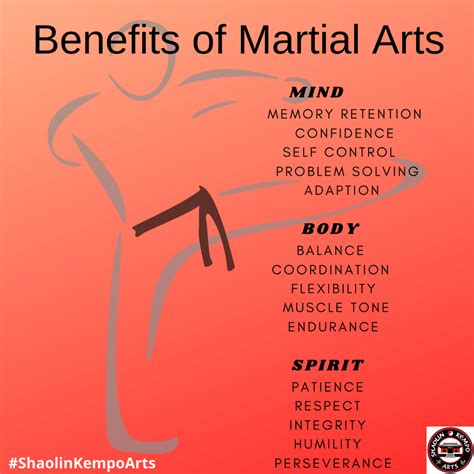
The benefits of kids martial arts touch every aspect of development. Children grow physically stronger and more coordinated. Martial arts benefits for children include improved health and fitness. Kids who practice regularly have better energy levels. Social skills flourish in martial arts classes. Children learn to work in groups and respect others. Physical activity through martial arts builds strong muscles and bones. Kids develop cardiovascular health through regular training. Mental benefits include improved concentration and memory. Children practice martial arts movements that require focus and attention. We see emotional growth as children face and overcome challenges. They learn to handle pressure during belt exams. Martial arts instill values that last a lifetime. Children learn humility alongside confidence.
Confidence grows naturally through martial arts training. Kids learn new skills and see their own progress. Kids martial arts confidence extends beyond the dojo. Children speak up more in class at school. We notice shy kids become more outgoing over time. Martial arts creates a safe environment where everyone supports each other. Physical confidence increases as children master techniques. They move with more assurance and better posture.
Discipline and Focus
Child discipline training happens naturally in martial arts. Kids follow clear rules from their instructors. Self-discipline develops as children practice regularly. They show up to class even when they feel tired. We see kids apply discipline to other areas of their lives. They complete homework without being reminded. Martial arts teaches delayed gratification through the belt system. Children work for months to earn a new rank.
Children’s martial arts focus improves with every class. Kids learn to pay attention to their instructor’s words. Focus skills transfer to school and study sessions. Kids who practice martial arts often get better grades. We observe children becoming more mindful of their actions. They think before they act in challenging situations. Meditation and breathing exercises enhance focus further. Many martial arts styles include these calming practices.
Martial Arts for Shy Children
Shy children find a welcoming home in martial arts. The structured environment feels safe and predictable. Small group activities help shy kids open up gradually. They work with one partner at a time. We see shy kids become leaders over time. They help newer students learn basic skills. Martial arts give shy children a sense of belonging. They make lifelong friendships with others in class.
Martial Arts for Kids in Didsbury Manchester – Fun, Discipline, Confidence
Starting Martial Arts
Beginner programs introduce martial arts concepts gradually. New students learn basic stances and movements first. Starting classes feels welcoming and non-intimidating. Instructors understand that everyone feels nervous initially. We see beginners gain confidence quickly through small successes. They learn a new technique each week. Early lessons focus on fun while building skills. Games and activities teach martial arts principles naturally.
Parents need reliable information to make good choices. Our kids martial arts guide answers common questions. Finding the right program requires research and visits. Talk to other parents about their experiences. We encourage parents to consider their child’s personality. Some kids thrive in large groups while others prefer smaller classes. Most children can begin martial arts around age three or four. Some schools accept younger students in parent-child classes. Physical readiness varies among children. Some four-year-olds can follow instructions easily. We suggest observing your child’s interest level. Kids who ask about martial arts show readiness. Emotional maturity matters as much as physical ability. Children need to accept correction from instructors.
Traditional uniforms show respect for martial arts traditions. Each style has specific uniform requirements. Proper fit matters for safety and movement. Uniforms should allow a full range of motion. We recommend buying slightly larger sizes for growing children. Uniforms shrink after washing, and kids grow quickly. Taking care of uniforms teaches responsibility. Children learn to fold and store them properly. Basic equipment includes protective gear for sparring. Kids need hand and foot padding for safe practice. Some schools provide equipment for student use. Others require families to purchase their own gear. We emphasize that quality equipment ensures safety. Cheap gear wears out quickly and offers less protection. Training with weapons like foam nunchucks teaches coordination. Some advanced students learn traditional weapon forms.
Safety in Martial Arts
Safety is our top priority in kids’ martial arts classes. Qualified instructors supervise all activities carefully. Proper warm-up and cool-down routines prevent muscle strain. Children learn to stretch correctly before intense activity. We maintain clean training areas free from hazards. Mats provide cushioning for falls and throws. Communication between parents and instructors improves safety. Tell instructors about any health concerns or injuries. Parents naturally worry about their children’s well-being. Understanding common concerns helps families make informed decisions. Many questions arise from misconceptions about martial arts. Movies and media often portray fighting unrealistically. We believe in transparent communication with families. Parents should feel comfortable asking any question. Martial arts ranks among the safest physical activities for children. Injury rates are lower than in many popular sports. Controlled environments make learning safe and effective. Students practice techniques gradually before adding speed or power. We teach kids to respect the power of martial arts techniques. They learn that skills are only for defense and sport. Qualified martial arts instructors know how to keep children safe. They watch for fatigue that can lead to accidents.
Martial arts actually reduces aggressive behavior in children. Kids learn self-control and emotional regulation through training. The philosophy behind martial arts promotes peaceful solutions. Children learn that fighting should be a last resort. We see bullies become protectors after martial arts training. They develop empathy and understanding for others. Statistics show martial arts students have fewer behavior problems. They channel their emotions through constructive physical activity.
Belt Systems and Class Structure
Belt systems provide clear goals for student progression. Each color represents specific skills and knowledge. Testing for new belts motivates kids to practice regularly. They set goals and experience the satisfaction of achievement. We use the belt system to track individual progress. Not every child advances at the same pace. Colored belts vary between martial arts styles. Some systems use many colors while others use fewer. Class length varies by age and program structure. Younger children typically attend thirty to forty-five-minute sessions. Frequency matters as much as duration. Two or three classes weekly provide a good learning pace. We structure classes to maximize engagement and learning. Activities change every few minutes for younger students. Consistency matters more than class length alone. Regular attendance builds skills better than occasional long sessions.
Martial Arts for Children with ADHD
Hyperactive children benefit tremendously from martial arts. The structured activity provides an outlet for their energy. Clear expectations and routines help hyperactive kids succeed. They know exactly what to do during class. We see remarkable changes in kids who struggle with stillness. Martial arts channel their energy productively. Parents notice improved behavior at home after classes. The physical exertion helps children sleep better at night. Children with ADHD find success in martial arts programs. The combination of physical and mental challenges engages them fully. Repetitive practice helps ADHD children remember techniques. The motor memory develops through consistent training. We work with parents to support ADHD students effectively. Understanding their unique needs creates better outcomes. Studies show martial arts improve attention in ADHD children. They develop better...
Real-World Testimonials
Many parents have seen firsthand the positive impact of martial arts on their children:
- "Great, positive atmosphere!! Me and my Daughter both enjoying martial arts at Dojo. Best instructors, so much focus on techniques, developing skills, paying attention for each and every kid. Flexibility in class timings, friendly co-ordinator, and so on. Fully satisfied with Dojo."
- "I am so thankful for Ms. Cote, Ms. I didn't think we would make it past our first few classes with our then just turned 3 year old! He would not focus, listen, or even sit still in class. Now here we are a year later and he goes into class on his own, participates almost every time and when he doesn't he sits and watches everyone instead of running around and being disruptive! Thanks again for all your hard work and sticking with him!"
- "Great place for karate. 3 put of my 4 kids attend. It will be 4 as soon as the last is old enough. Great values are taught, as well as supporting school values. love the instructors. One of my kids is autistic and they really take time to work with him. I really like this place."
- "Good, personable instructors. They really do care and take the time to work with each student. Two of my daughters are also enrolled, the third will be when she's old enough. My son is learning to focus and achieve goals and his self confidence is getting better all the time. He loves the instructors and has a great time here. We had tried other places but they didn’t have the fun environment that dojo has and he ended up feeling overwhelmed by the pressure."
You watch your child struggle with focus during homework, or maybe they shy away from new challenges at school. Many parents face these same concerns and wonder how to build their child’s confidence and self-control.
| Benefit | Description |
|---|---|
| Improved Physical Health | Enhanced cardiovascular system, increased metabolism, and better sleep. |
| Increased Flexibility | Active and passive stretching improves circulation and flexibility. |
| Lowering Blood Pressure and Heart Rate | Improved circulation alleviates health risks associated with a sedentary lifestyle. |
| Enhanced Mental Well-Being | Practice viewed as therapy, improving cognitive functions. |
| Reduced Stress Levels | Physical exercise reduces the negative effects of stress, releasing endorphins. |
| Enhanced Focus and Concentration | Trains the mind to remain calm and focused during tense situations. |
| Increased Self Confidence | Continual training and self-defense mastery boost confidence. |
| Improved Coordination | Skills develop with challenging tasks, improving spatial awareness. |
| Improved Self-Defense Skills | Learning to control and defend oneself, improving reaction time. |
| Increased Self-Discipline | Lifestyle choices change, with improved diet and reduced alcohol intake. |
| Opportunities for Socialization | Martial arts gyms provide opportunities to build trustworthy relationships. |
| Cultivation of Respect and Humility | Training fosters mutual respect and humility among practitioners. |
tags: #determined #martial #arts