Have you ever wondered whether private martial arts classes are more effective than group sessions? It’s a question many people ask as they explore the world of martial arts. Whether you’re just starting your training or looking to refine your skills, deciding between these two options can feel overwhelming. In this article, we will explore the pros and cons of both group classes and private lessons to help you make an informed decision that aligns with your personal needs.
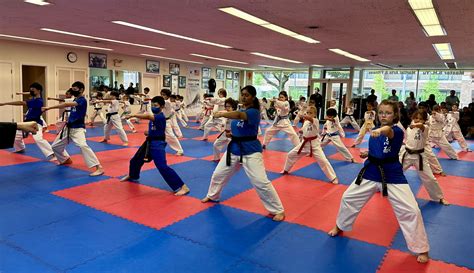
Group Classes: Social Interaction and Community
In group classes, you’ll find yourself surrounded by like-minded people who are eager to learn alongside you. There’s something motivating about sharing the experience, from practicing new moves to sparring with others. Group classes create a sense of community that can make your martial arts journey more enjoyable. You’ll meet new people, form friendships, and share a mutual enthusiasm for learning. Training alongside others can boost your confidence, especially as you see how your peers overcome similar challenges.
Pros of Group Classes
- Affordable Training Option: Group classes are typically more budget-friendly than private lessons. Since the cost is shared among all participants, it’s an accessible choice for people who want to learn martial arts without breaking the bank.
- Variety of Training Partners: Training in a group means you’ll encounter different partners, each with their own styles and techniques. This variety is invaluable for learning to adapt, as no two opponents are exactly the same.
- Structured Learning Environment: Group classes follow a set curriculum, ensuring you progress systematically through techniques and concepts. The structure helps you build a strong foundation over time. Classes often follow a set plan. This structure helps you learn different techniques and skills in a logical order.
- Friendly Competition: Being surrounded by peers creates an environment of healthy competition. Watching others improve can inspire you to push yourself harder. Training with others can spark friendly competition. This can push you to do better.
Cons of Group Classes
- Less Individual Attention: With many students in a class, instructors must divide their focus among everyone. This can mean limited time for one-on-one feedback, which may slow down your progress if you’re struggling with certain techniques. In a group, the instructor has to divide their time among all the students. This means you might not get as much feedback as you need.
- Pace May Not Suit Everyone: Group classes often move at a pace that suits the majority, which can be challenging if you’re learning faster or slower than others. You might find yourself bored if the class lingers on basics or frustrated if it moves ahead before you’re ready. Everyone learns at a different speed. In a group class, the instructor often has to move at the pace of the majority. If you’re a quick learner, you may feel held back.
- Potential Distractions: The lively energy of a group setting can occasionally become distracting. Background chatter, waiting your turn, or disruptions during demonstrations might take away from your ability to focus fully on the lesson. Classes can get noisy or chaotic. This can make it hard to focus.
Private Lessons: Tailored Instruction and Focused Attention
Private lessons offer a completely different dynamic-one where all the instructor’s attention is focused solely on you. In private lessons, the instructor focuses only on you. This means you can get feedback right away. With one-on-one attention, you’ll often see improvements more quickly. Your instructor can identify and correct mistakes in real-time, helping you fine-tune techniques that might go unnoticed in a group class.
Privates vs group MMA training: which is better for you?
Pros of Private Lessons
- Tailored Instruction: Private lessons allow instructors to focus entirely on you, ensuring that every aspect of your training is personalized. If you’re struggling with a particular move or have a specific goal, your instructor can adjust the session to meet your needs. Your instructor can create a program just for you. If you want to improve your kicks or work on self-defense, the lessons can be tailored to your needs.
- Faster Progress: With one-on-one attention, you’ll often see improvements more quickly. Your instructor can identify and correct mistakes in real-time, helping you fine-tune techniques that might go unnoticed in a group class. Since you get direct attention, you may learn faster.
- Flexibility in Scheduling: Private lessons are typically more accommodating when it comes to scheduling. With private lessons, you often have more control over when you train.
- Comfortable Learning Environment: For people who feel self-conscious in group settings, private lessons provide a more relaxed atmosphere. You can learn at your own pace without the pressure of keeping up with others. In private lessons, you can train at your own pace. This can create a comfortable space to work on skills that you may find difficult.
- Goal-Oriented Training: Whether you’re training for self-defense, fitness, or competition, private lessons allow you to focus on your specific objectives. You can focus on what matters most to you without waiting for others.
- Enhanced Safety: In a private class setting, learning complex maneuvers becomes both safer and more effective. A private session offers the advantage of continuous, personalized supervision from your teacher. This significantly reduces the risk of injuries as the instructor can closely monitor your form and technique, providing immediate and tailored corrections.
Cons of Private Lessons
- Higher Cost: The personalized nature of private lessons comes at a price. For those on a budget, the cost can be a significant barrier, making group classes a more practical option. Private lessons tend to be more expensive than group classes. This might not fit everyone’s budget.
- Limited Exposure to Diverse Opponents: Unlike group classes, private lessons don’t offer the chance to train with multiple partners. In private lessons, you usually focus on specific techniques. This means you might miss out on the variety found in group classes.
- Less Social Interaction: If you enjoy the camaraderie of training with others, private lessons may feel isolating. When you train alone, you miss out on the friendships that come from group classes. This might make your experience feel less enjoyable.
Making the Right Choice
Choosing between group classes and private lessons depends on your goals and needs. Think about what you want to achieve. If you aim to get fit and meet new people, group classes might be the way to go. How do you learn best? If you thrive in a social environment, group classes may be ideal. Consider how much you can spend on lessons. If money is tight, group classes will likely be the more affordable option.
If you’re torn between private and group classes, why not try both? Many people find that combining the two offers the best of both worlds. You can combine both options! You might start with group classes to get a feel for martial arts. This will help you learn basic techniques and meet new friends. Consider taking both types of lessons. You can join group classes for the social aspect and take private lessons to work on specific goals.
Read also: The Jade Fortress Martial Arts System
Ask yourself:
- What Are My Goals? Are you looking to build confidence, improve fitness, or prepare for competition?
- What’s My Budget? If cost is a concern, group classes may be the more practical choice.
- Do you prefer personalized guidance or thrive in a social, team-oriented environment?
Both private and group martial arts classes offer unique benefits, and the best choice depends on your personal needs. Kung Fu is more than just a martial art; it’s a discipline that shapes both the body and mind.
| Feature | Group Classes | Private Lessons |
|---|---|---|
| Cost | More Affordable | More Expensive |
| Attention | Shared | Individualized |
| Scheduling | Fixed | Flexible |
| Social Interaction | High | Low |
| Pace | Set by Class | Customized |
Read also: Deep Dive into Court Martial Films
Read also: Relentless Martial Arts