Wrestlers often face the challenge of cutting weight to compete in a specific weight class. However, many athletes resort to unhealthy methods to achieve this, with an estimated 25% to 67% using techniques such as over-exercise, calorie restriction, fasting, and dehydration. It's crucial to understand the safest and most effective ways to manage weight without compromising health and performance. This article provides comprehensive guidance on how to cut weight safely for wrestling.
The Dangers of Unhealthy Weight Loss
Unhealthy weight loss practices, such as dehydration and extreme calorie reduction, can lead to several adverse effects:
- Loss of strength, muscular endurance, and stamina
- Decreased concentration
- Deficiency in essential nutrients like protein, B vitamins, iron, and zinc
- Depression
- Muscle atrophy
- Lower testosterone levels
These practices can not only harm your physical health but also negatively impact your performance on the mat. It's essential to prioritize safe and gradual weight loss methods.
Safe Weight Loss Strategies
Here are some guidelines to help wrestlers lose weight safely and effectively:
- Slow Loss is Good Loss: Aim to lose 1 to 2 pounds per week. This approach ensures that the weight lost is primarily fat, rather than muscle or water.
- Practice Good Nutrition: Follow a balanced diet with a variety of foods to ensure you receive all the necessary nutrients.
- Reduce Fat Intake: Limit fatty foods, as they are high in calories. Learn which food sources are high in fat and avoid them.
- Eat Smaller, More Frequent Meals: Keep healthy snacks with you to avoid overeating at meal times.
- Maintain Strength Training: Continue your strength training regimen to preserve muscle mass during weight loss.
- Drink Plenty of Water: Stay hydrated to support overall health and performance.
- Consider a Daily Vitamin/Mineral Supplement: If you are restricting your intake, a supplement can help fill any nutritional gaps.
Remember, weight cutting isn’t about starving yourself; it’s about making informed choices to optimize your body composition.
Read also: Why Choose a Purple Weightlifting Belt?
What to Avoid
Certain practices can be dangerous and counterproductive. Here’s what to avoid when cutting weight:
- Sauna Suits and Garbage Bag Shirts: These can cause overheating and are not a safe way to lose weight.
- Fasting: Starving yourself is harmful and counterproductive.
- Excessive Caffeine: Too much caffeine can lead to dehydration.
- Laxatives and Weight-Loss Products: These can have serious side effects and should be avoided.
- Eliminating All Carbohydrates or Protein: These macronutrients are essential for energy and muscle maintenance.
- Working Out When Sick, Dizzy, or Cold: These are signs of dehydration and heat illness.
- Relying on Water Loss: Limit water loss to the day of weigh-ins and focus on gradual, sustainable weight loss.
Avoiding these practices is crucial for maintaining your health and ensuring you can perform at your best.
Hydration is Key
Your body is 60-70% water, making hydration essential for optimal health and peak performance. Dehydration is a major cause of decreased performance, and wrestlers are particularly susceptible. During training, drink fluids regularly. Monitor fluid loss by tracking body weight lost during practice or competition and rehydrate accordingly. Avoid caffeinated beverages, as they promote dehydration.
A simple, efficient way of determining proper hydration is to check urine color. Symptoms of dehydration can become noticeable after as little as 2% loss of normal water volume.
Some wrestlers are more sensitive to dehydration than others. Staying hydrated can not only make you feel better but may also improve your endurance.
Read also: Science Behind UFC Weight Loss
Nutrition Guidelines for Wrestlers
Proper nutrition is vital for wrestlers, as it fuels their bodies and supports growth, strength development, and overall performance. Here are some key nutritional guidelines:
- Calorie Intake: Consume enough calories to meet the demands of daily training.
- Protein: Aim for 12-15% of your calories from protein to support muscle repair and growth.
- Carbohydrates: Choose complex carbohydrates for sustained energy.
- Fats: Include healthy fats in your diet for energy and hormone production.
- Vitamins and Minerals: Ensure you get enough vitamins and minerals through a balanced diet or supplements.
Remember, poor nutrition will hamper performance. Your body cannot function at its best when it lacks vital nutrients. Don’t sacrifice good nutrition for the sake of making weight.
Estimating Calorie Needs
To lose weight safely, combine training with a slight reduction in food intake. Estimate how many calories you need each day. This helps assure that mostly fat will be lost, not muscle, which can sap your strength and endurance.
The Role of NCAA Regulations
The National Collegiate Athletic Association (NCAA) has implemented rules to prevent drastic weight loss practices in wrestlers. These rules prohibit unsafe practices such as using vapor-impermeable suits, saunas, laxatives, and excessive food and fluid restriction. The Minimum Wrestling Weight (MWW) is based on the lowest allowable body fat percentage (5%) and limits weight loss to no more than 1.5% of body weight per week.
These measures ensure that the projected weight does not put the wrestler below 5% body fat and that it is appropriate for the period before the first meet. The MWW is individualized for all wrestlers, taking into account measurable standards.
Read also: Understanding Wrestling Classes
The weigh-in process now occurs closer to competition time, reducing the time available to rehydrate between weigh-in and competition and discouraging drastic weight loss practices.
Monitoring Body Fat
For the preseason weigh-in, body fat measurements are critically important. The NCAA accepts body fat measures using the skinfold test, hydrostatic weighing, and BOD POD analysis. These results determine body density on the basis of volume and mass, and they predict percentage of body fat.
The skinfold method is the most commonly used due to practical reasons, but it requires significant experience and skill to obtain an accurate body fat percentage.
Sample Meal Plans
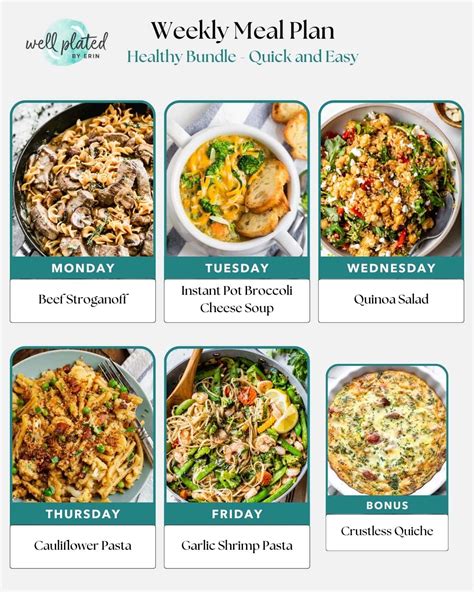
Here are some examples of 2,000 calorie menus to help you plan your diet. These menus provide a balance of protein, carbohydrates, and fats to fuel your body and support your training.
Eating at Restaurants
It is possible to eat at a restaurant if you are careful about what you order. Pay attention to how foods are prepared. Choose options that are baked, broiled, boiled, or poached, rather than fried or served in gravy. Ask for dressings on the side and load up on healthy toppings like lettuce, tomato, relish, and vegetables. If you eat a meal at a fast food restaurant, don't make it a dietary disaster.
The Importance of a Plan
Cutting weight is physically and cognitively stressful. Having a detailed plan mapped out will reduce that stress as well as provide insight for improving your individual process. Monitor your health and keep a coach or trusted friend nearby, especially when approaching weigh-ins.
ПРОСТЫЕ И ЛЕНИВЫЕ СПОСОБЫ ПОХУДЕТЬ
By following these guidelines, wrestlers can safely manage their weight, optimize their performance, and maintain their overall health. Remember, the goal is to compete at your best, not to compromise your well-being.