Punching bags have evolved significantly, from early kangaroo-skin models patented in 1872 by Simon D. Kehoe, to modern versions made with durable materials like leather and PVC. Punching bags come in various shapes, sizes, and functions. Choosing the right one depends on your specific training goals. Whether you're looking to sharpen your boxing or MMA skills or aiming to stay in peak physical condition, practicing your punches is essential. Consistently working on your combinations not only boosts your offensive prowess but also enhances reflexes, strength, and agility, while helping you maintain a lean physique.
Punching bags offer numerous benefits, including full-body workouts, stress relief, and skill enhancement. Training with a bag helps you burn calories, improve technique, and build strength. You should now have a better understanding of the different types of punch bags available. But which one should you choose?
Here’s a detailed look at the various types of punching bags available:
Types of Punching Bags
1. Standard Heavy Bag
The standard heavy bag is a classic choice for boxing, kickboxing, and other combat sports training. Weighing between 70 and 150 pounds, it’s ideal for building strength through powerful punches and kicks. They can be hung from a ceiling mount or attached to a wall bracket using chains or straps.
2. Angled Heavy Bag
The angled heavy bag, also known as a hybrid heavy bag or a body shot bag, is designed with an angled shape that resembles the human body. The purpose of the angled design is to provide a more realistic training experience and allow boxers to practice a variety of strikes, including body shots, hooks, and uppercuts.
Read also: Tyson's Money Troubles
3. Speed Bag
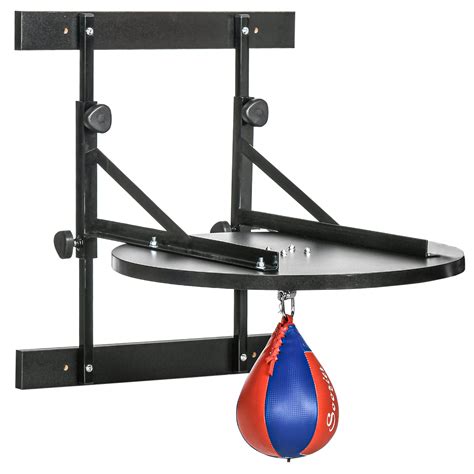
The speed bag, also known as a speed ball, is a small, air-filled punching bag that hangs from a swivel mount. Small, light, and hung from a swivel, the speed bag helps boxers develop hand speed, rhythm, and timing. Speed bags are primarily used to develop hand-eye coordination, rhythm, timing, and reflexes. When striking the speed bag, fighters need to maintain a constant rhythm and use quick, precise punches to keep the bag in motion. The repetitive striking motion also enhances the neuromuscular connection and improves overall coordination.
Basic speed ball tutorial With Olympic Medallist
4. Banana Bag
A favorite among Muay Thai practitioners, the teardrop bag has a spherical shape and lower center of gravity, making it ideal for strikes like knees and elbows. It is specifically designed for practicing kicks, knees, and clinch work commonly found in Muay Thai and other striking martial arts. Its elongated design enables fighters to deliver low kicks and knee strikes effectively while also providing a realistic target for practicing elbow strikes and clinching. The bag is usually filled with dense foam or a combination of cloth and sand, making it suitable for absorbing powerful strikes without excessive swinging or swaying. Training with a banana heavy bag helps develop leg strength, balance, and conditioning, making it an essential tool for practitioners of Muay Thai and other kickboxing styles.
5. Pole Bag
Compared to the banana bag, the pole bag is significantly thicker, packing a serious punch. A popular model from Fairtex measures around 59cm wide (approximately 23 inches) and weighs about 140kg when filled (around 300lb). Due to its substantial weight, the pole bag is not meant to be hung like traditional bags. The top attachment serves the purpose of preventing the bag from sliding down and losing its shape. Similar to the banana bag, the pole bag is ideal for low kicks, but it allows you to unleash more power in your punches and kicks.
6. Wrecking Ball Bag
Although wrecking ball bags exhibit a slower swing, their shorter height is great for practicing bobbing and weaving manoeuvres between strikes.
Read also: Jake Paul vs. Mike Tyson: Money Matters
7. Body Opponent Bag (BOB)
The body opponent bag, commonly known as a BOB, is a punch bag designed to resemble the upper body of a human. Body opponent bags are highly versatile and popular for various combat sports and self-defence training. The body opponent bag is adjustable in height and quite often needs the base to be filled with sand or water to provide stability and resistance.
8. Bowling Pin Heavy Bag
The bowling pin heavy bag is a unique punch bag designed to resemble a bowling pin in shape. Commonly used for practicing uppercuts, hooks, and angled strikes. This type of punch bag helps develop accuracy, timing, and power in delivering precise punches and hooks. Training with a bowling pin heavy bag enhances hand-eye coordination, core strength, and rotational power.
9. Aqua Bag
The aqua bag, also known as a water bag, is a punch bag filled with water rather than traditional stuffing materials like foam. The water filling absorbs the impact of strikes, reducing stress on joints and minimizing the risk of injury.
10. Double End Bag
Suspended between the floor and ceiling, the Mexican double-end bag is used to improve accuracy, reflexes, and timing. It consists of a small ball-shaped bag connected to the cords, allowing it to move and rebound in unpredictable patterns. It challenges boxers to maintain constant movement and rhythm while delivering quick and precise punches. Training with a double end bag enhances hand-eye coordination, improves defensive skills, and promotes overall agility and footwork.
11. Teardrop Heavy Punching Bag
The teardrop heavy punching bag, also known as a tear-shaped bag has a distinctive teardrop or raindrop shape. The teardrop bag's shape offers a versatile training experience, enabling fighters to work on a wide range of techniques, including punches, elbows, and knee strikes.
Read also: Detailed Overview: Oliveira Weight
12. Slip Bag
The slip bag, also known as a reflex bag or a dodge bag, is a small, lightweight punch bag which can be attached to a spring or elastic cord. The reflex bag is designed to enhance hand-eye coordination and reflexes. The slip bag is typically used for practicing slips, ducks, and weaves, which are crucial defensive manoeuvres in boxing and other striking arts. Training with a slip bag helps develop agility, hand-eye coordination, and defensive instincts.
13. Free-Standing Punch Bag
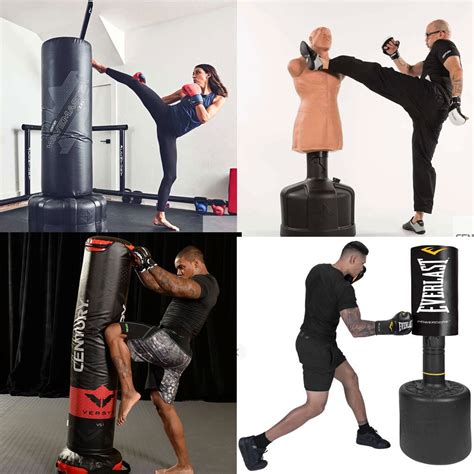
A free-standing punch bag is a versatile training tool that does not require any mounting or hanging. Free-standing punch bags are commonly used for practicing punches, kicks, and combination strikes. If you would like help choosing a free standing punch bag.
14. Wall Bag
Mounted directly to a wall, the wall bag is used for practicing fast punch combinations.
15. Headhunter Bag
The headhunter bag targets precision and head movement training.
16. Uppercut Bag
Designed specifically for uppercut practice, this bag is typically hung around chest level.
17. Reflex Bar Bag
The reflex bar bag is a specialized training tool that features a series of spring-loaded or elastic bars designed to enhance reflexes, timing, and coordination.
18. Free Standing Bag
This bag features a weighted base instead of being suspended, making it easier to move and set up.
How to Choose the Right Punching Bag
With so many options available, selecting the right punching bag depends on your specific goals. Whether you're focusing on power, precision, or agility, there's a bag that can help you refine your skills.
Here are some factors to consider when choosing a punching bag:
- Determine your specific training objectives. Are you looking to improve power, speed, accuracy, or defensive skills?
- Consider the size and weight of the punch bag. Heavier bags provide more resistance, allowing for power development, while lighter bags enable faster strikes and enhance speed and agility.
- Opt for punch bags made from high-quality materials like leather, synthetic leather, or durable fabrics. These materials ensure longevity and withstand intense training sessions.
- Determine how the punch bag will be mounted or installed. Some bags require hanging from a ceiling mount or stand, while others are free-standing or attach to a pole.
- Set a budget range for your punch bag purchase. Prices vary based on brand, quality, and features.
- Read product reviews, seek recommendations from experienced trainers or fellow athletes, and gather insights from reliable sources.
Remember to prioritize safety by wearing appropriate hand wraps and gloves when training with a punch bag to minimize the risk of injuries.