Martial arts have long been recognized as more than just a form of self-defense. They offer a wide range of physical, mental, and emotional benefits for both kids and adults. Integrated martial arts, which combine techniques and principles from multiple disciplines, can offer several advantages over practicing a single martial art exclusively. In this article, we will explore the numerous advantages of practicing martial arts, from improved fitness and self-confidence to enhanced discipline and stress relief.
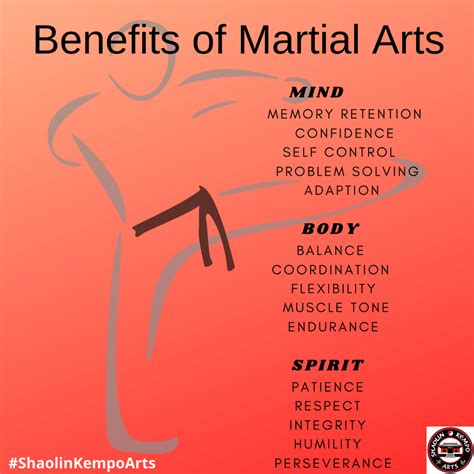
Table of Contents
- Physical Fitness
- Self-Defense Skills
- Improved Focus and Concentration
- Self-Confidence
- Discipline and Respect
- Stress Relief
- Weight Management
- Flexibility and Coordination
- Social Interaction
- Goal Setting and Achievement
- Cultural Appreciation
- Conflict Resolution Skills
- Life Skills
- Top 5 Martial Arts Training Benefits for Kids
- Top 7 Martial Arts Training Benefits for Adults
- Martial Arts Training FAQs
1. Physical Fitness
Engaging in martial arts training provides an excellent full-body workout. It enhances cardiovascular health, strength, and endurance. Practicing various forms of martial arts helps individuals develop muscle tone and lose excess weight. This not only contributes to better physical health but also improves overall well-being. Moreover, martial arts workouts are dynamic and engaging, making exercise enjoyable and motivating individuals to stay consistent with their fitness routines.
2. Self-Defense Skills
One of the primary reasons people enroll in martial arts classes is to learn self-defense. These skills are invaluable for personal safety and can boost your confidence in knowing you can protect yourself and loved ones if necessary. Learning self-defense in a controlled and supportive environment empowers individuals with the knowledge and skills to handle potentially dangerous situations. This newfound confidence extends beyond physical safety; it can positively impact your daily life, making you feel more secure and capable in various scenarios.
3. Improved Focus and Concentration
Martial arts require intense focus and concentration. Practitioners learn to control their thoughts and emotions, which can translate to improved performance in other areas of life, such as academics or work. Enhanced focus and concentration acquired through martial arts can lead to greater productivity, better problem-solving abilities, and improved decision-making skills. These cognitive benefits extend far beyond the training mat, helping individuals excel in their personal and professional lives.
4. Self-Confidence
As individuals progress in their martial arts training, they gain self-assurance. Mastering new techniques and earning belts or ranks can be incredibly empowering, boosting self-esteem. This increased self-confidence doesn't just apply to martial arts; it spills over into everyday life. With a newfound belief in their abilities, individuals become more willing to take on challenges, set ambitious goals, and pursue their dreams with determination and self-belief.
Read also: Individual Martial Arts Instruction
Our classes also develop confidence and self-esteem by instilling discipline, teaching resilience, and fostering a sense of accomplishment. The knowledge of self-defense techniques empowers individuals, boosting their confidence in various aspects of life.
5. Discipline and Respect
Martial arts instill discipline and respect for others. Practitioners must follow strict codes of conduct and etiquette, fostering a sense of respect both in and out of the dojo (training hall). This discipline goes beyond mere adherence to rules; it becomes a way of life. It teaches individuals to respect not only their instructors and fellow practitioners but also themselves. This self-discipline translates into better time management, organization, and a heightened sense of responsibility in all aspects of life.
6. Stress Relief
The physical and mental aspects of martial arts training provides an effective means of stress relief. Engaging in training allows individuals to release pent-up energy and tension, resulting in improved mental well-being. Beyond the physical exertion, martial arts incorporate mindfulness and relaxation techniques that help reduce stress hormones in the body. The practice encourages individuals to let go of daily worries and focus on the present moment, creating a sense of inner calm and emotional balance.
7. Weight Management
Martial arts promote healthy weight management. Regular practice helps individuals burn calories and maintain a healthy body weight, reducing the risk of obesity-related health issues. Additionally, martial arts training can encourage better eating habits and a more mindful approach to nutrition. As individuals see the physical benefits of their training, they often become more motivated to make healthier choices in their diet, further supporting their weight management goals.

8. Flexibility and Coordination
Through stretching and controlled movements, martial arts improve flexibility and coordination. These benefits are especially crucial as we age, helping to prevent injuries and maintain mobility. Increased flexibility reduces the risk of strains and sprains, making everyday activities easier and more comfortable. Improved coordination enhances balance and stability, reducing the likelihood of falls and injuries, particularly in older adults.
Read also: The Jade Fortress Martial Arts System
9. Social Interaction
Martial arts classes provide a social environment where individuals can make new friends and develop strong bonds with their fellow practitioners. It's an excellent way to combat loneliness and build a supportive community. The camaraderie and encouragement within martial arts groups foster a sense of belonging. Many practitioners find that the friendships formed on the training mat extend to their personal lives, creating a valuable network of social support.
10. Goal Setting and Achievement
In martial arts, setting and achieving goals is a fundamental part of the journey. This practice teaches individuals the importance of perseverance and hard work in reaching their objectives. Beyond the physical skills acquired, the ability to set and achieve goals instills a sense of accomplishment. This sense of accomplishment not only boosts self-esteem but also encourages individuals to apply goal-setting techniques in other areas of their lives, leading to personal and professional growth.
11. Cultural Appreciation
Many martial arts have deep-rooted cultural traditions that practitioners learn to appreciate. This cultural exposure fosters a sense of understanding and respect for different cultures. Learning about the history and cultural significance of their chosen martial art adds depth to the practitioner's experience. It promotes cultural sensitivity and a broader worldview, encouraging an appreciation for diversity and heritage.
12. Conflict Resolution Skills
Martial arts emphasize non-violent conflict resolution. Practitioners are taught to use their skills responsibly and only when necessary, promoting peaceful conflict resolution. Beyond physical techniques, martial arts also teach verbal de-escalation skills and the importance of empathy and communication. These skills are valuable not only in self-defense situations but also in resolving conflicts in personal relationships and professional settings.
13. Life Skills
Beyond the physical and mental benefits, martial arts also teach essential life skills such as humility, patience, and humility, which are valuable in everyday life. These life skills are integrated into the core philosophy of martial arts, guiding practitioners to become not just skilled martial artists but also better human beings. Humility fosters a willingness to learn and grow, patience helps in overcoming challenges, and perseverance ensures that individuals continue to strive for excellence in all areas of life.
Read also: Deep Dive into Court Martial Films
Top 5 Martial Arts Training Benefits For Kids
Martial arts training can be especially beneficial for children. Here are some specific advantages that martial arts offer to kids:
- Confidence and Self-Esteem: Participating in martial arts classes can significantly boost a child's confidence and self-esteem. As they progress through their training and earn belts, they gain a sense of accomplishment. This newfound confidence extends beyond the dojo and positively impacts their interactions with peers and teachers at school.
- Discipline and Respect: Martial arts instill discipline and respect in children from a young age. They learn to follow instructions, adhere to rules, and show respect to their instructors and fellow students. These values are invaluable life lessons that can help kids excel in both academic and social settings.
- Focus and Concentration: Martial arts require children to concentrate on the task at hand. They learn to control their bodies and minds, which can enhance their ability to focus on schoolwork and other activities. Improved concentration can lead to better academic performance.
- Bullying Prevention: Martial arts training equips kids with the skills and confidence to handle bullying situations effectively. They learn not only self-defense techniques but also the importance of conflict resolution and non-violence, helping them navigate peer relationships more successfully.
- Physical Fitness and Coordination: For kids, martial arts provide a fun and engaging way to stay physically active. Regular practice helps improve their fitness levels and coordination, setting a foundation for a healthy lifestyle. Additionally, the emphasis on proper form and technique can reduce the risk of sports-related injuries.
Top 7 Martial Arts Training Benefits for Adults
Martial arts training is not limited to children; they offer numerous benefits to adults as well. Here are some advantages of practicing martial arts as an adult:
- Stress Management: Adults often face high levels of stress in their daily lives, and martial arts provide an effective outlet for stress relief. Engaging in training allows adults to release tension, clear their minds, and achieve a sense of mental balance.
- Fitness and Weight Loss: Martial arts offer adults a challenging and dynamic workout that can help with weight management and fitness goals. It's an excellent way to stay active and maintain a healthy body weight, all while building strength and endurance.
- Self-Defense Skills: As adults, the importance of self-defense is paramount. Martial arts training equips adults with practical self-defense techniques and strategies that can be invaluable in real-world situations.
- Social Connection: Participating in martial arts classes as an adult provides an opportunity to connect with like-minded individuals. The sense of camaraderie and community in the dojo can lead to lasting friendships and a support system.
- Lifelong Learning: Martial arts offer adults the chance to engage in lifelong learning. There is always something new to discover and master, whether it's a new technique, form, or philosophy. This continual learning fosters personal growth and mental agility.
- Confidence and Mental Resilience: Adults who practice martial arts often report increased confidence and mental resilience. Facing challenges on the training mat builds a sense of inner strength that can be applied to various aspects of life, including work and relationships.
- Personal Empowerment: Martial arts empower adults to take control of their physical and mental well-being. It instills a sense of personal responsibility and the belief that one can overcome obstacles through dedication and determination.
MMA Training Benefits
Mixed Martial Arts (MMA) classes offer an unparalleled training experience for teens and adults. A combat sport that blends techniques from various martial arts styles, including Brazilian Jiu Jitsu, Muay Thai, wrestling, boxing, and more. By combining striking and grappling techniques, practitioners gets the skills needed for both stand-up fighting and ground control. This training goes beyond the physicalâitâs a mental game of strategy, adaptability, and discipline.
- Versatile Techniques: MMA incorporates skills from multiple disciplines, making it highly effective for self-defense.
- Full-Body Conditioning: This is a total workout that engages every major muscle group.
- Stress Relief: Physical exertion and the focus required during training provide an excellent outlet for stress.
Our MMA program is designed to take you from basics to advanced techniques at a pace that suits your abilities. Whether youâre aiming to compete, learn self-defense, or simply enjoy a high-energy workout, MMA offers a path to personal transformation.
Our experienced MMA coaches bring diverse expertise from multiple martial arts backgrounds, ensuring a comprehensive and well-rounded training experience. Train in a professional environment equipped with everything you need to succeed. Joining our MMA classes means becoming part of a passionate and supportive community.
MMA is more than a sportâitâs a lifestyle that challenges you to grow stronger, more confident, and more resilient, both inside and outside the gym.
Integrated Martial Arts: Versatility and Effectiveness
Integrated martial arts, which combine techniques and principles from multiple disciplines, can offer several advantages over practicing a single martial art exclusively. Here are some reasons why we practice integrated martial arts here at Stricklandâs and why its advantageous:
- Versatility: Integrated martial arts students are trained in a variety of techniques from different disciplines, such as kicking and striking (Boxing, Muay Thai, Taekwondo, Jun Fan), and clinch work and grappling (Silat, Muay Thai, Jiu-Jitsu). This versatility allows them to adapt to different fighting styles and situations more effectively.
- Complete Skill Set: By integrating techniques from various martial arts, students can develop a more comprehensive skill set that covers both defensive and offensive tactics from different ranges.
- Holistic Approach to Combat: Integrated martial arts training emphasizes a holistic approach to fighting and focusing on developing well-rounded fighters who are proficient in all aspects of combat, rather than specializing in just one area.
- Effective Cross-Training: Practicing multiple martial arts enhances the overall physical conditioning, flexibility, coordination, and mental toughness, of the student, as each art emphasizes different aspects of fitness and skill development.
- Strategic Advantage: Students are trained to recognize and exploit the weaknesses of their opponents, drawing upon a diverse arsenal of techniques from the multiple systems to gain a strategic advantage.
- Adaptability: Integrated martial arts training teaches students to be adaptable and open-minded, allowing them to adjust their tactics and strategies based on the specific strengths and weaknesses of their opponents.
- Innovation and Evolution: Integrated martial arts practice encourages innovation and evolution. This is done by us constantly seeking out new techniques and training methods from various sources, leading to continuous improvement and growth.
- Practical Self-Defense: By practicing Integrated martial arts, we prioritize practicality and effectiveness in real-world self-defense situations.
Martial Arts Training General FAQs
- Is martial arts suitable for all ages?
Yes, martial arts can be practiced by individuals of all ages, from children as young as four to seniors. - Do I need to be physically fit to start martial arts?
No, martial arts can be adapted to various fitness levels, and instructors can modify techniques to suit individual abilities. - Can martial arts help with anger management?
Yes, martial arts training can teach individuals how to control their emotions and channel their energy positively, aiding in anger management. - Are there any age restrictions for starting martial arts?
There are no specific age restrictions, as martial arts can be tailored to suit different age groups. - How long does it take to achieve a black belt in martial arts?
The time it takes to earn a black belt varies depending on the discipline and individual dedication, but it typically takes several years of consistent training.
How to Pick a Martial Art | For Beginners
tags: #integrated #martial #arts #academy