Many assume the benefits of martial arts are reserved for the young and athletic. However, this common misconception keeps countless people over 40 from experiencing one of the most rewarding physical and mental practices available. Reaching your forties marks a unique sweet spot in life - you’ve gained wisdom, emotional stability, and a clearer sense of purpose. It's time to consider how martial arts can enhance your quality of life in your golden years while potentially extending your lifespan.
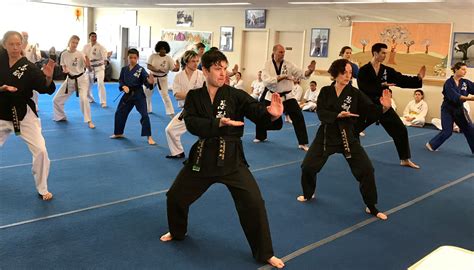
Starting martial arts in your 40s isn’t just possible-it’s potentially transformative. Age brings wisdom, patience, and perspective-qualities that enhance martial arts training rather than hindering it. Despite what popular culture suggests, martial arts isn’t just about high kicks and combat skills. Instead, it offers a comprehensive system of physical conditioning, mental discipline, and personal growth that becomes increasingly valuable as we age.
Busting the Myth: "I'm Too Old"
“I’m too old” is often the first thought that crosses people’s minds when considering martial arts after 40. However, this fear stems from misconceptions rather than reality. Many successful practitioners began their journey in their 30s or 40s with no prior experience. One practitioner started at age 30 with zero Muay Thai experience and later became an international competitor and top-ranked professional fighter in the UK [1].
The key to success lies in finding supportive instructors who understand the needs of older beginners. Look for knowledgeable teachers who provide patient guidance and create positive learning environments [1]. For those concerned about injuries, remember that martial arts training is designed with safety in mind. Techniques are taught step-by-step, beginning with basic movements before progressing to more advanced skills.
The Holistic Benefits of Martial Arts
Martial arts practice isn’t strictly about fighting or physical sport. For many practitioners, it represents a lifestyle, a mindset, and essentially a philosophy [3]. Here are some of the holistic benefits:
Read also: Individual Martial Arts Instruction
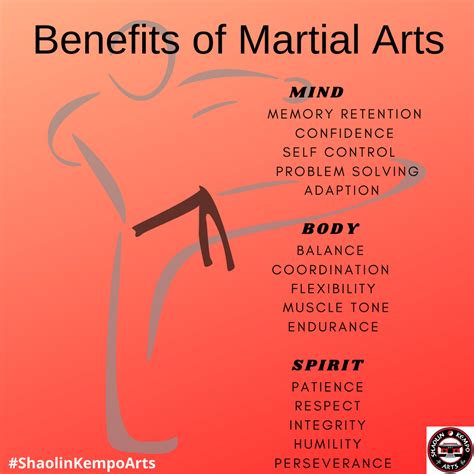
- Mental discipline and emotional stability: Martial arts help you master your mind and emotions, developing greater emotional stability, assertiveness, and self-confidence [4].
- Stress reduction: Students report that martial arts practices dissolve stress. The awareness and control of breathing developed allow an escape route for accumulated tension [5].
- Community and connection: For those in their 40s who might find it challenging to build new social circles, martial arts classes provide opportunities to connect with others sharing similar interests [6].
- Life purpose and challenge: Now that you’re more confident and stable, martial arts offers a perfect opportunity to challenge yourself and develop a warrior mentality for overcoming life’s adversities [7].
Tai Chi: What It Is and Why It’s Good for You
The Physical Transformation
The physical transformation that occurs through martial arts training isn’t limited by age - your body remains remarkably adaptable throughout life. Martial arts training delivers impressive strength gains regardless of when you begin. Studies examining various martial arts styles found significant improvements in upper body muscular strength (13.4-34.6%) through exercises like the 30-second arm curl test [8].
Flexibility, often the first physical attribute to decline with age, responds exceptionally well to martial arts practice. Research examining Judo training in older adults revealed dramatic improvements in flexibility, with some participants experiencing up to 316.7% increase in upper body flexibility and 70.6% improvement in lower body flexibility [8]. These improvements aren’t merely statistical - they translate into practical benefits. Greater flexibility reduces injury risk, improves posture, and enhances mobility for everyday activities.
Perhaps the most valuable physical benefit for practitioners over 40 is improved balance. Martial arts require precise weight shifts, controlled movements, and stable stances that directly strengthen the neurological systems controlling balance. This matters tremendously since one in three adults over 65 falls annually [8], often leading to serious injuries and loss of independence.
The dynamic movements in martial arts specifically challenge your balance systems in ways everyday activities cannot. Interestingly, some martial arts programs now teach specific fall prevention techniques. Judo-based training has proven particularly effective by teaching “ukemi” (safe landing techniques), which can reduce hip impact force by approximately 8% [11].
Martial arts training provides exceptional cardiovascular benefits through its combination of aerobic and anaerobic movements. One study measured a significant 13.4% improvement in aerobic fitness after just 12 weeks of Brazilian Jiu-Jitsu training in older adults [8]. Intriguingly, research also suggests a connection between martial arts flexibility training and reduced arterial stiffness [9].
Read also: The Jade Fortress Martial Arts System
The physical benefits of martial arts represent just one dimension of its value for practitioners over 40.
Mental and Emotional Fortitude
Beyond the physical advantages, martial arts training offers profound mental and emotional benefits that often surprise new practitioners. Martial arts training has shown remarkable effects on cognitive performance, especially regarding executive function-the highest order of cognitive processing.
Studies demonstrate that martial arts exercise improves attention, processing speed, and executive function more effectively than simple aerobic activities like walking [13]. Research examining karate training in older adults found significant improvements in motor reactivity, stress tolerance, and divided attention after just 5 months of practice [14]. Moreover, the benefits increased further after 10 months of consistent training.
The structured practice of martial arts techniques encourages mindfulness, allowing practitioners to stay present and take a mental break from daily stressors [16]. Consequently, martial arts training has been linked to reductions in anxiety, depression, and PTSD symptoms [1].
One of the greatest benefits of martial arts is the sense of accomplishment and confidence it fosters. As you advance and refine your skills, you build greater self-confidence, which significantly contributes to stress management [1]. Martial arts training is uniquely structured to highlight your strengths and celebrate accomplishments. Every milestone-whether improving flexibility, mastering techniques, or reaching a personal fitness goal-reinforces achievement [16]. Accordingly, the journey cultivates resilience, as progress often requires overcoming challenges.
Read also: Deep Dive into Court Martial Films
Getting Started Safely After 40
Beginning your martial arts journey after 40 requires thoughtful preparation rather than jumping in headfirst. The best martial art is simply the one you enjoy doing. As one expert notes, “If you hate it, you’re going to avoid doing it” [20]. Therefore, consider your physical capabilities and personal goals when selecting a style.
Visit multiple schools and try different styles before committing. Finding the right instructor makes all the difference in your martial arts journey. First, look for teachers experienced in training older adults who understand age-specific needs [21]. Open communication with your instructor about health conditions or physical limitations is crucial. They can then tailor exercises to your individual needs, ensuring safety and effectiveness [2].
Safe martial arts training means listening to your body, recognizing limitations, and honoring what you can do [23]. Prior to starting, consider scheduling a conversation with your doctor to ensure you’re fit for martial arts training [20]. Subsequently, focus on proper form over speed or power to minimize injury risk [2].
Staying Consistent and Motivated
Consistency ultimately determines your success. Make an action plan each week with specific, realistic steps for training [24]. Start where you are and gradually build intensity. For countless practitioners over 40, martial arts eventually evolves from being just an activity to becoming an integral part of their identity.
The key to sustaining martial arts practice after 40 lies in designing a schedule that fits seamlessly into your existing commitments. Pencil in your training sessions like important appointments, treating them with the same priority as work meetings or family obligations. Schedule training at times when you’re naturally most energetic, whether that’s early mornings or evenings after work. In essence, your martial arts training should function as a stress-reliever rather than adding pressure to your life.
Equally important is building in adequate recovery time. Listen to your body carefully, respecting its limits and allowing for proper rest between sessions. One of the most significant benefits of martial arts after 40 is the powerful social bonds formed through training. The camaraderie in classes creates a sense of belonging that many find increasingly difficult to develop in middle age. Martial arts gyms are uniquely positive spaces where people of all ages gather with a common purpose: growth. This intergenerational aspect offers mature practitioners opportunities to both mentor younger students and remain humble as learners themselves.
Maintaining motivation over the long term requires celebrating progress at every stage. Give yourself credit for all achievements-from mastering a new technique to simply showing up consistently. Set small, achievable goals along your journey and acknowledge each milestone reached. After all, motivation comes from results!
Age truly becomes just a number when stepping onto the martial arts mat. Throughout this journey, we’ve discovered that beginning martial arts after 40 offers unique advantages that younger practitioners might miss entirely. Physical transformation remains possible at any age, as evidenced by research showing significant improvements in strength, flexibility, and balance among mature practitioners.
Starting safely requires finding the right style and instructor who understands your specific needs. Listening to your body becomes essential, as does developing consistency through realistic scheduling and proper recovery. Finally, remember that martial arts represents an ongoing journey rather than a destination. Progress happens gradually, through dedicated practice and patience. The belt around your waist matters far less than the personal growth experienced along the way. Therefore, consider your age an advantage rather than a limitation.
| Training Focus | Physical Benefits | Aging Impact |
|---|---|---|
| Mobility Exercises | Joint Health | Fall Prevention |
| Strength Training | Muscle Mass, Bone Density | Combats Muscle Loss and Osteoporosis |
| Agility Drills | Balance Control | Injury Avoidance |
| Power Development | Fast-twitch Fibers, Neural Function | Maintains Explosiveness and Reaction Time |
| Endurance Building | Cardiovascular Health, Energy Levels | Boosts Stamina and Reduces Fatigue |