Compression gear is ubiquitous in sports today, from UFC fighters to gym enthusiasts. But is it truly beneficial, or just an overhyped fad? Does it enhance performance, speed recovery, and prevent injuries? This article explores the science and real-world experiences to help you make an informed decision about whether to invest in compression gear.
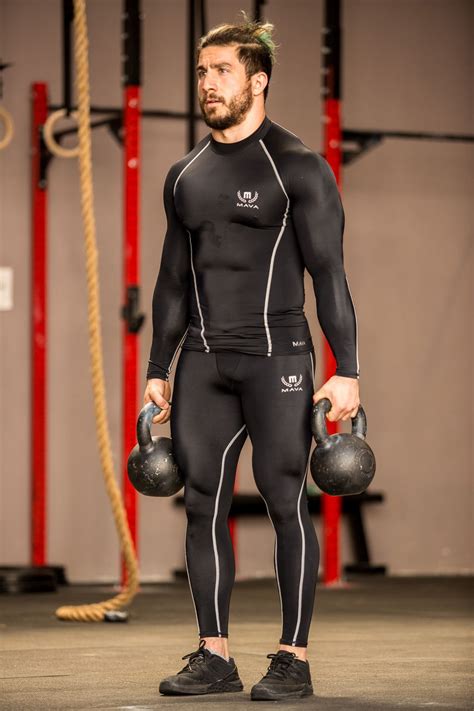
What Compression Gear Claims to Do (vs. Reality)
You've likely heard numerous claims about compression gear, such as improved blood circulation, faster healing and recovery, pain reduction, and injury prevention. But do these claims hold up?
Proven Benefits
- Reduced Muscle Soreness: Compression gear can reduce muscle soreness, especially delayed-onset muscle soreness (DOMS), by about 30%.
- Enhanced Blood Circulation: Studies suggest compression sportswear improves blood circulation during exercise.
- Improved Proprioception: Compression gear may enhance proprioception, improving your body's balance and coordination.
What Compression Gear Cannot Do
- It won't make you stronger or faster overnight.
- It can't prevent major injuries like ligament or tendon tears.
- It's not a shortcut for recovery; sleep, training, and nutrition are more critical.
What Is The Right Compression Garment Size For Athletes? - Athletes Training Room
If you feel more confident and supported wearing compression clothing, the mental edge can improve performance. Sometimes, how you feel matters as much as the science.
Who Benefits from Compression Gear?
The benefits of compression gear are more pronounced for some athletes than others. MMA, Muay Thai, and boxing athletes wear compression gear between rounds to keep muscles warm and reduce swelling. Runners and cyclists may find that compression clothing reduces muscle stress and enhances post-exercise recovery.
Read also: Boosting Performance with UFC Gear

For individuals recovering from minor injuries or swelling, compression gear can stabilize muscles without restricting movement.
However, compression gear may not be as beneficial for powerlifters and strongman athletes who don't require short-term strength enhancements. If you only need support for specific areas like knees or elbows, compression sleeves might be more effective than a full suit.
Compression Gear vs. Traditional Shin Guards
Here's a comparison of compression gear (shin sleeves) and traditional shin guards:
| Feature | Compression Gear for Athletes (Shin Sleeves) | Traditional Shin Guards |
|---|---|---|
| Protection | Minimal (light padding) | Heavy (full shin coverage) |
| Mobility | Unrestricted | Slightly bulky |
| Best For | Light drills, running | Sparring, hard kicks |
| Durability | Wears out faster | Last for years |
| Compression Gear Benefits | Keeps muscles warm, supports recovery | Essential for impact protection |
| Verdict | For recovery or light training | Mandatory for sparring/competing |
The Best Compression Gear for Fighters (2024 Picks)
When choosing compression gear, quality matters. Cheap compression gear loses elasticity quickly, becoming ineffective and potentially unsafe. Dependable compression gear offers better support, comfort, and longevity. Consider quality brands to ensure long-term satisfaction.
Read also: UFC Roots in Lesnar's WWE Gear
How to Use Compression Gear Correctly
During workouts, wear compression leggings or shorts to support muscles and enhance recovery. Ensure the fit is snug but not restrictive. Wash compression gear after each use to prevent elastic breakdown from sweat. Avoid sleeping in compression gear, as prolonged wear can restrict blood flow. Don't skip warm-ups; compression gear is a tool, not a substitute for proper preparation.
Compression Gear vs. Rash Guards
Compression gear hugs muscles to boost blood flow, while rash guards protect from friction and offer UV protection. Compression shirts use elasticity to apply even pressure across key muscle groups, enhancing circulation. Rash guards, originally for surfing, are tight, flexible tops that prevent chafing and mat burn. In combat sports, they block sweat and shield against bacteria.
Compression shirts focus on muscle support and inflammation control, while rash guards prioritize skin protection and moisture management. Many athletes combine both for added support or warmth.
Key Differences
- Compression Gear: Muscle support, enhanced circulation, reduced fatigue.
- Rash Guards: Skin protection, moisture management, prevention of abrasions.
Everyday Use of Compression Shirts
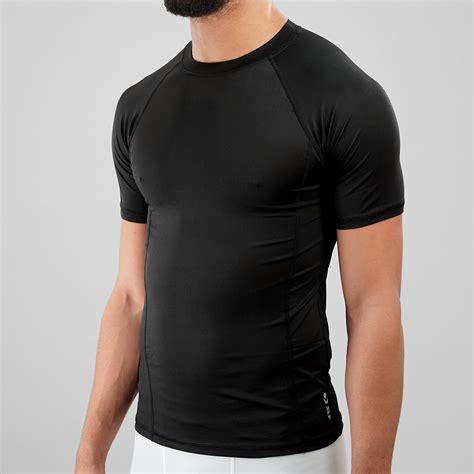
Wearing a compression shirt daily can increase blood circulation, aid muscle recovery, improve posture, and enhance performance. Choose a shirt with the right fit, breathable fabric, and appropriate compression level. Ensure it wicks away moisture and is durable for frequent use.
Read also: Elevate Your BJJ Game
Potential drawbacks include skin irritations, breathing difficulties, and restricted movements. Alternatives include loose-fitting moisture-wicking shirts, stretching, physical therapy, and proper nutrition.
Tips for Daily Wear
- Wash and care for the shirt regularly.
- Take breaks to allow your body to rest.
- Listen to your body and adjust compression levels as needed.
- Consult a healthcare professional if you have pre-existing conditions.
Benefits for Specific Activities
- Exercise and Workouts: Enhances muscle support and recovery.
- Travel and Long Flights: Promotes healthy blood flow and reduces swelling.
- Sitting or Standing for Extended Periods: Improves circulation and reduces fatigue.
- Post-Surgery Recovery: Reduces swelling and supports healing.
- Pregnancy Support: Provides support to the abdomen, lower back, and hips.
Expert Opinions and Research
Sports medicine specialists and physical therapists recommend compression shirts for training, recovery, and injury prevention. Studies support the benefits of increased blood circulation, improved muscle recovery, and reduced muscle soreness.
tags: #mma #compression #shirt