When Takemikazuchi was sent to subjugate terrestrial deities on Japanese islands 2,500 years ago - and to decide who truly controlled them - it had to be settled with a sumo wrestling match. On one side of the ring was the god of thunder and conquest - Takemikazuchi. On the other side, the god of water, wind, and hunting - Takeminakata. In the ensuing mêlée, Takemikazuchi took Takeminakata’s arm and crushed it, defeating him soundly and claiming the Japanese islands for himself. A banquet was held in celebration.
Professional athletes don't get to the top by accident. It takes superhuman levels of time, dedication, and focus-and that includes paying attention to what they put in their bellies. In this article, we will delve into the sumo wrestler diet, exploring the traditions, nutritional strategies, and health considerations that define this unique athletic regimen.
The Daily Life of a Sumo Wrestler
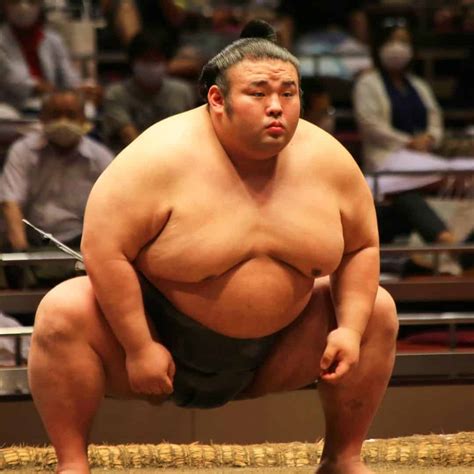
Days start early at the heya. A heya is a training centre, or stable, where aspiring sumo wrestlers train and live. A wrestler is expected to stay with the heya from the time he joins - usually around the age of 15 - until the end of his career. Young men who aspire for sumo greatness need to wake up early. Few succeed in becoming great. Regardless, they have dreams they want fulfilled, their heads crowned with top knots, their mawashi (belt) wrapped around their bodies, their stomachs growling.
The 10,000-Calorie Diet: This is What Sumo Wrestlers Eat
Intense Training Regimen
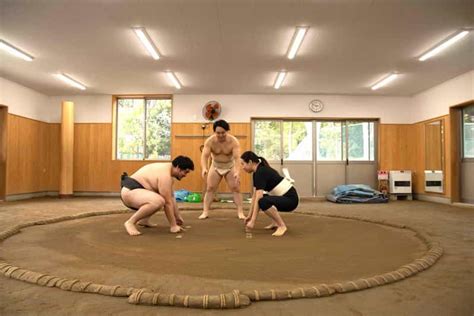
“Some wrestlers only eat two meals a day,” says John Traill, president of the Australian Sumo Federation. The training is several hours long and is so grueling and intense that it can only be endured on an empty stomach. “We start with one hour straight of leg lifts called shiko,” Yama says. They do about 500 of these in an hour. Each time they lift a leg up in the air to shoulder height in slow motion. They hold it there and then slowly bring it back down. “Most normal people are wiped out trying to do it a few times. We do it 500 times in a row.” Yama is anything but normal.
Read also: Sumo Wrestling and WWE Compared
After that, they do calisthenics, stretching, and other warm ups, before sparring sessions (sometimes 50 matches against one person) and then hitting practice. With butsukari, one wrestler takes on the role of a football “sled” and gets pushed repeatedly by another wrestler. “This helps with our defence and offensive training,” Yama says. This grueling training hungers big athletes and makes them thirsty, too. A sumo wrestler can lose ten to 15 pounds of sweat alone in one morning’s workout.
The Cornerstone of the Sumo Diet: Chanko-Nabe
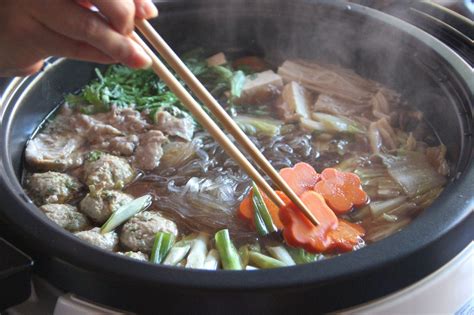
Enter a steaming pot of chanko-nabe. There is no established set of ingredients. It’s just a copious amount of food, with as much nutrition as possible in it. “On its own, chanko-nabe is very nutritious,” Traill says. “Contrary to popular belief, chanko isn’t intrinsically fattening as it only contains extremely healthy ingredients. Any fat that rises to the top of the broth is quickly skimmed off.” Each sumo stable has their own signature recipe which takes advantage of the freshest local and seasonal produce.
Typically, the dish contains dashi or chicken broth as a base with sake or mirin added for flavour. Immense amounts of protein are also added; beef, chicken, fish, and tofu are staples, to go with vegetables including cabbage, bok choy, daikon radish, and more. “What puts on the weight,” Traill says, “are all the accompanying side dishes with large bowls of rice.” This is all usually washed down with sake or quite a lot of beer. All that, Traill says, “is followed by a long nap to store up what I affectionately refer to as ‘potential muscle.’”
Nutritional Components of Chanko-Nabe
Chanko-nabe dishes consist of a rich broth, flavored with fish stock, miso, soy sauce, or other condiments. Protein comes from meat, chicken, fish, or tofu. Almost any vegetable works well in chanko-nabe - popular choices including napa cabbage, green onions, carrots, shiitake mushrooms, daikon radish, burdock root, and more!
Here's a table summarizing the typical components of Chanko-Nabe:
Read also: History of Japan's Sumo Wrestling
| Component | Examples | Nutritional Benefits |
|---|---|---|
| Broth | Dashi, Chicken Broth | Hydration, Minerals |
| Protein | Beef, Chicken, Fish, Tofu | Muscle Repair, Satiety |
| Vegetables | Cabbage, Bok Choy, Daikon Radish, Carrots, Mushrooms | Vitamins, Fiber |
| Flavor Enhancers | Sake, Mirin, Soy Sauce | Taste, Digestive Enzymes |
Debunking Myths About the Sumo Diet
There's a misconception that eating like a sumo wrestler must be decadent, with wheelbarrows of delicate sushi and ambiguous fried dishes. But sumo is not competitive eating. It’s grueling, rigorous, and disciplined work-and perhaps more surprisingly, practitioners only eat two meals a day.
Traill cautions those who think sumo wrestlers eat like this typically. “It’s an urban myth that sumo wrestlers eat up to 20,000 calories a day. That’s over 35 Big Macs a day. That’s highly implausible for such elite sportsmen.” While some sources, like LinguaLift and Gurunavi, claim sumo wrestlers eat 20,000 calories daily, this is nearly 10 times the average adult male’s intake. The idea that sumo wrestlers out-eat strongman competitors and endurance athletes by two or three times doesn’t add up.
The long-standing myth that sumo wrestlers eat 20,000 calories a day simply doesn’t hold up. While their calorie intake is high - typically 5,000 to 8,000 calories daily, sometimes reaching 10,000 - it’s nowhere near the exaggerated claims.
Health Implications and Post-Retirement Challenges
There is a common misconception that sumo wrestlers are obese and unhealthy. Not so. Their intense workouts keep them healthy and their diets maintain that health. “Most of this excess calorific energy gets burned at the early morning practice,” Traill says. Normally, people who are obese store a portion of their extra fat inside the abdomen - wrapping itself around the pancreas, liver, and other vital organs. It’s called visceral fat and can lead to high blood pressure, Type 2 diabetes, and heart attacks. Sumo wrestlers usually don’t suffer from these symptoms.
CT scans show that sumo wrestlers rarely have much visceral fat at all. Their fat is right beneath the skin. They’ve got normal levels of triglycerides and low levels of cholesterol. Traill says, “The initial impact of a sumo bout has been measured as high as 13 G forces.” The scientist that measured it insists that, “this is the equivalent of hitting concrete after jumping from a 3-story building or being in a head-on car crash at approximately 40 mph.”
Read also: Washington Sumo
After retirement, sumo wrestlers’ bodies begin to catch up with them. They suffer from strokes, diabetes, heart, bone, and joint problems. A sumo wrestler’s life expectancy is between 60- and 65-years old, about 20 years shorter than the life expectancy of a typical Japanese male.