Wrestling, a demanding sport that requires a blend of strength, agility, and technique, often favors athletes with a specific physique. While wrestlers come in diverse shapes and sizes, understanding the ideal body type can provide a competitive advantage.
The wrestling body is the cornerstone that unites various aspects of wrestling training and performance. In muscle wrestling, a well-defined and powerful physique takes center stage, emphasizing both the aesthetics and the physical prowess displayed in the ring.
Achieving a wrestler's physique requires dedication to training, nutrition, and overall conditioning.
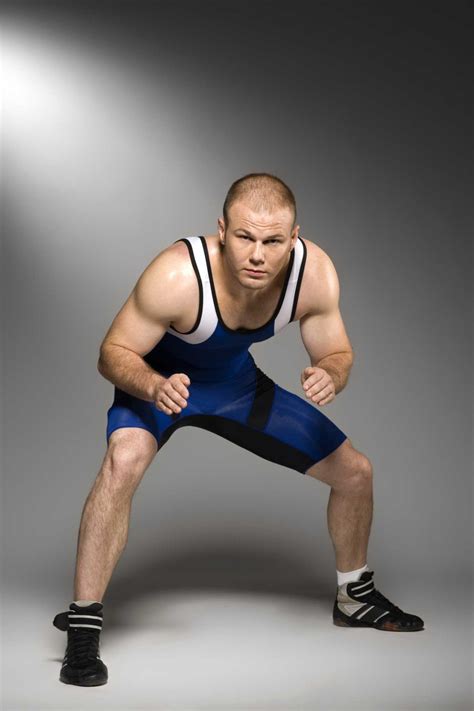
Understanding Different Wrestling Styles and Body Types
The wrestling body varies across different wrestling styles, but a common thread is the need for strength, agility, and endurance. The best body type for wrestling is one that combines these attributes, ensuring a wrestler can perform effectively on the mat.
- Freestyle wrestling emphasizes agility and adaptability. Freestyle wrestlers often possess a lean, compact build with strong legs and a well-developed core.
- Greco-Roman wrestling, which bans holds below the waist, places a premium on upper body strength. Greco-Roman wrestlers typically boast powerful shoulders, arms, and chest muscles.
- Folkstyle wrestling, commonly practiced in the United States, requires a well-rounded physique. Successful folkstyle wrestlers typically have strong legs for stability, a powerful core for balance and control, and upper body strength for executing holds and escapes.
Key Components of a Wrestler's Physique
The ideal body type for wrestling typically combines a low body fat percentage with lean muscle mass. A compact, well-balanced physique with a strong core, powerful legs, and a sturdy upper body is advantageous.
Read also: Steve Keirn: Wrestling Icon
Wrestling bodyweight workouts provide the foundation for developing the functional strength and agility necessary for wrestlers to excel. To get into pro wrestling shape, these workouts, combined with resistance band exercises that simulate wrestling movements, are essential. Additionally, wrestling upper body workouts are integral for building upper body strength, enhancing grappling abilities.
Scientific Insights into Wrestlers' Body Composition
A study examined the body composition and somatotype of male Greco-Roman wrestlers, grouped by weight categories and competition level. The study revealed significant differences between heavier and lighter wrestlers. Heavier wrestlers exhibited more endomorphy and mesomorphy than lighter wrestlers. They also had higher BMI, fat mass, fat percentage, and fat-free mass index.
Furthermore, the study compared wrestlers with untrained subjects, revealing that wrestlers had higher body mass and lower height-weight ratio. Their somatotypes differed significantly, with wrestlers showing lower adiposity.
Body build and composition in wrestlers depend on their weight category. In heavier categories, the characteristic type is endomorph-mesomorph, whereas lighter weight categories are dominated by balanced mesomorph. A considerable difference in endomorphy and indices of body composition can also be observed.
Work time analysis show that mean duration of the matches was 427 s (range 324-535 s), with mean durations of work and rest of 317 and 110 s, respectively.
Read also: "Pretty Boy" Larry Sharpe's impact on wrestling
The best wrestlers, categorized as elite athletes, are similar in terms of body build and constitute a group which is less differentiated than wrestlers who obtain worse results. They show an exceptionally massive somatic build, characterized by great muscle girths and strongly developed epiphyses adapted to carry higher load.
Somatotype, which is a synthetic information about body build, is linked to motor abilities. It explains the differences between different disciplines and competitions. There are relationships between somatotype and the level of sports achievement in martial arts which was also confirmed in wrestling.
The method of identification of somatotypes is frequently used for quantitative description of human body build. This method provides information about three components: endomorphy, connected with share of adipose tissue, mesomorphy, relating to muscle mass and ectomorphy, expressed in relationships between body height and weight.
Table 1: Comparison of Body Composition in Wrestlers and Untrained Subjects
| Characteristic | Wrestlers | Untrained Subjects | P-value |
|---|---|---|---|
| Body Mass (kg) | 81.8 | 72.1 | p<0.01 |
| Height-Weight Ratio | 40.50 | 43.21 | p<0.001 |
| Somatotype | 2.0-6.6-1.2 | 3.7-4.3-3.1 | - |
| Adiposity (%) | 12.1 | 17.2 | - |
Determining Your Ideal Wrestling Weight Class
Before getting into the details of cutting weight for wrestling, it should be said that it is possible to perform well as a wrestler without cutting weight. In this article cutting weight is defined as losing more than 2-3% the week of competition. There are successful, high-level wrestlers who don’t cut weight.
- Understand and Monitor Your Body Fat Percentage
Understanding your body fat percentage is crucial for determining the right wrestling weight class. The amount of time you have before your competition plays a significant role in how much weight you can safely lose without affecting your performance. If you only have a week, you're limited in how much weight you can lose. However, if you have several months, you can adjust your body fat percentage to reach your desired weight class while maintaining optimal performance.
Read also: The Story of Chris Melendez
Maintaining a healthy body fat percentage can help prevent injuries, promote optimal performance, and support overall well-being.
During pre-season, it's essential to set goals that prioritize your overall health and well-being. Instead of focusing solely on achieving a specific weight range, consider other factors such as maintaining energy levels, promoting muscle growth, and improving athletic performance. Aim for a balanced approach that includes healthy dietary changes without compromising performance. This may involve consuming balanced macronutrients, choosing nutrient-dense foods, and practicing mindful eating habits.
Track your progress in a way that promotes a healthy mindset and avoids fixation on numbers. Yes, you need to make weight, however, aspects such as increased strength, improved stamina, and better performance during practice matter as well. Remember that progress may not always be linear, and fluctuations are normal.
- Understanding the Season: Adapting Your Weight Loss Approach for Optimal Performance and Recovery
Wrestlers need to recognize the importance of adapting their weight loss approach depending on the season. Both off-season and wrestling season have unique requirements that impact your nutrition, training, and weight management strategies. While some athletes wrestle year-round, incorporating periods of lighter training can aid in recovery and overall well-being.
During the off-season, the primary goal should be to establish a solid foundation for the upcoming wrestling season. This is an ideal time to focus on improving strength, technique, and conditioning. In terms of weight management, the off-season allows for a more gradual and sustainable weight loss approach:
- A SMALL Calorie Reduction: Instead of drastically cutting calories, aim for a slight reduction that allows for steady weight loss. This approach helps maintain energy levels and supports continued training improvements.
- Increased Lean Protein Intake: Prioritize lean protein sources such as chicken, turkey, fish, and whey. Plant-based protein options such as rice and beans are great just know that due to bioavailability you need to eat about 25% more protein from plant sources in order to match animal protein options. Consuming adequate protein can promote muscle growth, enhance recovery, and support overall athletic performance.
- Balanced Nutrition: Ensure your diet includes a variety of nutrient-dense foods, including fruits, vegetables, whole grains, and healthy fats. A balanced diet supports overall health and can help you achieve your weight loss goals in a sustainable manner.
During the wrestling season, the focus shifts to maintaining weight and optimizing performance. Keep the following considerations in mind during this period:
- Nutrient Timing: Strategically plan your meals and snacks to fuel your workouts and support recovery. Consuming carbohydrates before training can provide energy, while a post-workout meal with a combination of carbohydrates and protein can enhance recovery and muscle repair.
- Hydration: Staying adequately hydrated is crucial for maintaining peak performance during the wrestling season. Monitor your fluid intake and adjust as needed based on weight loss during practice.
- Flexible Weight Management: Avoid extreme weight loss methods during the wrestling season. Instead, focus on maintaining a stable weight most of the week and working with the natural weight fluctuation of your body to make weight.
Adequate Sleep and Recovery: Ensuring sufficient sleep and recovery is essential for maintaining mental focus and reducing anxiety.
- Personalize Your Approach: Understanding Your Body's Limits for Healthy Weight Loss
Achieving sustainable weight loss requires a balanced approach that considers both your mental and physical well-being. Focus on adopting healthier food choices rather than drastically cutting food intake, particularly if you are still growing. Extreme calorie restriction during periods of growth can lead to serious consequences.
Pursuing a weight class that necessitates significant weight loss in a short timeframe can be detrimental to your health. Rapid weight reduction often leads to muscle loss, severe dehydration, and potential health risks. It is crucial to prioritize your safety and well-being over achieving a lower weight class.
Creating a Personalized Weight Loss Plan for Wrestling Success
As you work towards determining the right wrestling weight class, it's crucial to create a personalized weight loss plan that aligns with your specific needs and goals. This will help you cut weight safely and effectively while maintaining your overall health and performance.
- Establish your long-term goals: Clearly define your long-term objectives related to wrestling performance, weight management, and overall health. This will help guide your decision-making process when selecting a weight class and crafting a weight loss plan.
- Consult with professionals: Engage with experienced coaches, registered dietitians, and healthcare providers to gather expert advice on safely achieving your desired weight class. Their input can offer valuable insights into the most effective weight loss strategies tailored to your unique needs.
- Develop a personalized nutrition plan: Work with a sports dietitian to create a customized nutrition plan that promotes healthy weight loss while providing the necessary nutrients and energy to fuel your training and competitions. This may include adjustments to your macronutrient ratios, meal timing, and portion sizes.
- Incorporate regular physical activity: Design a training program that balances wrestling-specific exercises, strength training, and cardiovascular workouts to support healthy weight loss and improved performance. Be sure to include adequate recovery time to prevent overtraining and injuries.
- Track and adjust: Regularly assess your progress by monitoring changes in your body composition, athletic performance, and overall well-being.
Understanding Body Types (Somatotypes)
Body types, also known as somatotypes, are a category describing the general shape and composition of a person. There are 3 body types which apply to both males and females:
- Ectomorphs are generally described as having a lean body shape
- Mesomorphs are generally described as having an athletic body shape
- Endomorphs are generally described as having a round body shape
Body types are often used in sports to predict athletic performance. Certain male body types are especially effective at some sports, for example:
- Ectomorphs tend to be good at sports like high jump and running
- Mesomorphs are suited to sports requiring speed and strength - like combat sports, rowing, swimming, and weightlifting
- A combination of ectomorph and mesomorph body types works well for cycling and similar sports
- A combination of mesomorph and endomorph body types works well for most sports including wrestling, boxing, cycling and swimming
)
Transforming Your Body: Diet and Exercise for Different Body Types
While genetics play a significant role in determining your body type, diet and exercise can help you transform your body composition.
Ectomorph Body Type
Ectomorphs are tall people with long limbs. They have a fast metabolism which makes it harder to gain weight - both muscle mass and fat. It may be difficult, but it’s far from impossible. With a tailored diet and exercise regime, ectomorphs can go from a lean build to a muscular build.
Exercise Tips
Because of their fast metabolism, an ectomorph body type should focus on strength training over cardio. It’s also recommended that they have long rest periods between workouts, to avoid too much energy burn at once.
An ideal exercise routine for the ectomorph body type includes:
- Cardio on 2-3 days per week, in short sessions of 10-15 minutes plus warm-up
- Core training on 3-4 days per week
- Weight training on 3-4 days per week
Diet Tips
Ectomorphs often need more calories to fuel their metabolism, so a diet rich in carbohydrates with a balance of proteins and fats is recommended. Remember, a focus on whole grains makes for a healthy diet.
As a general estimate, ectomorphs should be having 1.2-1.6 grams of protein per kilogram of body weight in their diet. It’s also a good idea to eat frequently for this body type - having 5-6 small meals per day, rather than the standard 3 meals.
Mesomorph Body Type
Mesomorphs are often labelled the luckiest body type - with their naturally athletic physique and easy ability to both gain weight and lose it. But, it would be a mistake to assume it was all luck or genetic factors. Most mesomorphs have achieved their desired body type through consistency and effort, just like everyone else.
Exercise Tips
Since mesomorphs have a highly adaptable body type, their training regime can be based on personal fitness goals - such as a plan to build muscle mass or focus on fat loss. With a typically muscular body, they can handle intense exercise regimes like heavy weightlifting and endurance training.
An ideal exercise routine for the mesomorph body type includes:
- Cardio on 3-4 days per week, in medium sessions of 20-30 minutes plus warm-up
- Core training on 3-4 days per week
- Weight training on 4-5 days per week
Diet Tips
Mesomorphs may have an easy time building muscle, but they can also gain fat without a proper diet. Keeping meals balanced between protein, fats and carbohydrates is generally recommended. Depending on personal goals, this balance can be adjusted.
For example, a high-protein diet with 1.2-2.2 grams of protein per kilogram of body weight is ideal for muscle growth. Another option is to design a lower-calorie diet plan to help them stay lean and avoid fat gains.
Endomorph Body Type
Before you hate on the big, round body type - it pays to remember that everyone's body has a bit of endomorph in it. Modern lifestyles that include lots of sitting down for work or leisure make it more likely you’ll develop an endomorph body type.
While the endomorph body type is partly related to genetic factors and bone structure, it’s not a life sentence. You can adjust your exercise and diet to transform your body composition.
Exercise Tips
The main focus of training for endomorphs is fat loss and metabolic conditioning. In other words, you need to get your body burning calories more efficiently. There are lots of ways to do this, but a mix of both strength training and cardio works best. Common fitness programmes include circuit training and high-intensity interval training (HIIT).
According to the ACSM, an ideal exercise routine for the endomorph body type includes:
- Cardio on 5 days per week, in long sessions of 30-40 minutes plus warm-up
- Core training on 3-4 days per week
- Weight training on 4-5 days per week
Diet Tips
There are 2 things that endomorphs should be careful of in their diet - too much fat and too many carbs. A recommended diet plan would be low-GI, high in protein, and moderate in healthy fats. This balance can help regulate the appetite and maintain energy levels, without causing spikes in blood sugar.
When it comes to protein, a high dose of 2.2 grams per kilogram of body weight is recommended. Endomorphs may also do well on a fasting diet, also known as time-restricted eating (TRE).