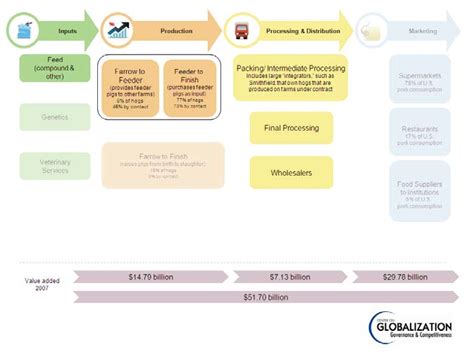
The company has delivered year-over-year top and bottom-line growth, with multi-protein portfolio and operational focus fueling continued gains. Recent investments in automation and AI integration, including partnerships with companies like FourKites for supply chain optimization and Proxy Foods for AI-driven product development, have enhanced productivity and reduced labor dependency.
Financial Health Analysis
Tyson Foods maintains solid financial health with improving debt management trends. Long-term debt decreased 15.27% year-over-year to $8.172B as of March 31, 2025, indicating disciplined capital structure management. The debt-to-equity ratio of approximately 48.3% has declined over recent years, demonstrating effective deleveraging efforts. Strong liquidity position includes $1.5B in cash reserves and a current ratio of 1.73, providing adequate coverage for operational needs and short-term obligations.Operating cash flow remains robust at approximately $2.6B annually, though subject to volatility due to commodity cycles and input cost fluctuations. The company maintains investment-grade implied credit ratings and has access to revolving credit facilities for additional financial flexibility.
Free cash flow guidance of $1.0-1.3B for fiscal 2025 represents solid cash conversion capabilities supporting dividend payments and strategic investments.
However, profitability sensitivity to commodity cycles creates some financial risk. Interest coverage ratios provide comfortable debt servicing capability under normal conditions, but prolonged margin compression could challenge financial flexibility. The company’s financial position demonstrates resilience to moderate stress scenarios, though severe revenue declines would strain operations. Overall, Tyson exhibits investment-grade financial health with manageable leverage and sufficient liquidity buffers for normal business cycle fluctuations.
Marketing and Sales Effectiveness
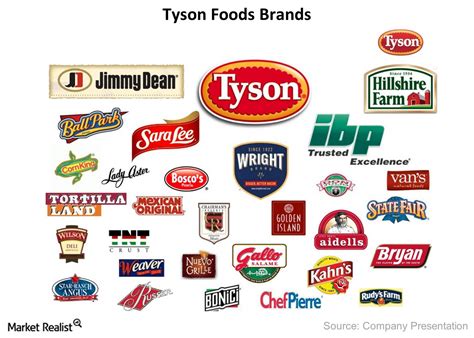
Tyson Foods excels in marketing and sales through its powerful portfolio of iconic brands including Tyson, Jimmy Dean, Hillshire Farm, and Ball Park. These brands enjoy strong consumer recognition and loyalty, particularly among Gen X and Baby Boomers, providing meaningful competitive advantages in brand equity and shelf space dominance.Their tiered pricing approach allows premium positioning for value-added products while remaining competitive in commodity segments. Customer retention is bolstered by brand trust and product diversification, though the company faces challenges in emerging segments like plant-based proteins where specialized competitors have gained traction. The company’s “customer and consumer obsession” strategy and ability to pivot product mix based on market conditions demonstrate marketing adaptability and effectiveness.
Read also: Mike Tyson vs. Brock Lesnar?
Competitive Moat Assessment
Tyson Foods possesses a durable but not insurmountable competitive moat built on three primary pillars: scale advantages, vertical integration, and brand portfolio strength. The company’s massive scale as one of the world’s largest protein processors enables cost efficiencies that smaller competitors cannot match, including superior purchasing power for feed and livestock, more efficient processing operations, and extensive distribution networks.Vertical integration, particularly in chicken production where Tyson controls feed mills, breeding, and processing, creates supply chain advantages and cost control mechanisms that are difficult for competitors to replicate. This integration provides quality control, supply chain resilience, and the ability to respond quickly to demand shifts.
The brand portfolio represents another significant moat, with decades of consumer trust and recognition that would be expensive and time-intensive for new entrants to replicate.
However, these moats face important limitations. Core products are largely commodity-based and substitutable, with major competitors like JBS and Cargill possessing similar scale advantages. Overall, Tyson’s moats provide meaningful competitive advantages but require continuous operational excellence and innovation to maintain their effectiveness against evolving industry dynamics.
Performance Across Industry Scenarios
Tyson Foods demonstrates considerable resilience during industry downturns due to the essential nature of protein products and its diversified portfolio across chicken, beef, pork, and prepared foods. The company’s strong financial position, with approximately $1.5B in cash reserves and manageable debt levels, provides a cushion during challenging periods. Analysis suggests the company could endure a 50% revenue decline for 12 months using existing liquidity resources, though margins would compress severely.During recovery or growth phases, Tyson is well-positioned to capitalize on rising protein demand through its scalable operations and established distribution networks. The company’s brand strength enables participation in premium market segments during economic expansion, while operational improvements in automation and AI-driven supply chain tools enhance efficiency and profitability.
International expansion opportunities, particularly in Asia and Europe where protein consumption is growing, position Tyson to outperform during industry growth cycles.
Read also: Mike Tyson vs. Jake Paul
However, the company faces vulnerabilities to supply shocks, particularly biological risks like avian flu that could devastate production capabilities. Commodity price volatility remains a persistent challenge, as input costs can rise faster than selling prices. Labor shortages and regulatory changes pose additional operational risks.
Market Mispricing and Potential Catalysts
The market appears to be undervaluing Tyson’s transformation potential and defensive characteristics. Investor focus on short-term commodity volatility and margin pressures often overshadows the company’s substantial investments in operational efficiency, AI integration, and product innovation. The recent leadership changes and operational discipline initiatives could drive significant margin improvement that current valuations don’t fully capture.The market underestimates Tyson’s resilience during economic stress periods. While cyclical concerns dominate sentiment, the essential nature of protein products provides demand stability that many consumer discretionary companies lack. The company’s diversification across multiple proteins and value-added products offers downside protection not adequately reflected in current risk premiums.
Specific catalysts that could correct this perception include successful scaling of alternative protein lines demonstrating diversification beyond traditional meat, sustained margin expansion from operational improvements particularly in the beef segment, strategic acquisitions enhancing global reach or technological capabilities, and positive ESG developments improving public image.
Additionally, macroeconomic tailwinds such as rising Asian protein demand or feed cost stabilization could boost earnings significantly. The company’s dividend yield of approximately 3-4% suggests the market may be pricing in more risk than fundamentals justify, creating potential upside for investors recognizing these defensive characteristics.
Stock Value Growth Potential
Tyson Foods presents moderate rather than explosive stock appreciation potential. The mature protein industry and commodity-driven nature of core products limit organic growth rates, with historical revenue performance showing steady but modest gains. Recent revenue of $54.146B represents only a 1.99% increase year-over-year, reflecting the challenges of significant growth in this established sector.However, several factors could drive meaningful stock appreciation beyond current expectations. Operational improvements and margin expansion represent immediate growth drivers, particularly if management successfully executes cost reduction initiatives and pricing optimization strategies. The company’s focus on value-added and branded products, which command higher margins, could gradually shift the business mix toward more profitable segments.
Read also: A Look at Tyson Sausage Patties' Nutritional Value
Tyson Foods Stock Analysis: My Investing Thesis
Innovation in convenient, protein-rich products addresses growing consumer demands and could command premium pricing. International expansion, particularly in emerging markets with rising protein consumption, offers additional growth vectors. Alternative protein investments, while currently small, could become significant growth drivers if successfully scaled.
Stock appreciation will likely correlate with operational execution, margin improvement, and successful product innovation rather than revolutionary business model changes. The business model’s defensive nature provides stability but limits upside potential compared to high-growth sectors. Patient investors focused on dividend income and gradual appreciation may find attractive risk-adjusted returns through consistent, steady performance rather than dramatic value creation.
Management and Shareholder Alignment
Tyson Foods demonstrates reasonable alignment with shareholders through consistent capital allocation policies focused on returning value. The company maintains a track record of dividend payments with recent quarterly dividends of $0.50 per share on Class A stock, reflecting management confidence in cash generation capabilities. Share repurchase programs and expanded buyback authorizations demonstrate commitment to returning excess capital to shareholders.However, recent leadership turnover, including COO changes, raises concerns about management stability and strategic execution consistency. The founding family’s significant ownership through dual-class share structure provides both alignment benefits and potential governance concerns regarding minority shareholder treatment.
Management compensation structures tie executive pay to performance metrics, supporting alignment with shareholder value creation objectives.
The board includes independent directors with relevant experience in food, finance, and sustainability sectors, ensuring appropriate oversight and strategic guidance.
Strategic Improvement Recommendations
Tyson Foods should prioritize accelerated digital transformation beyond current AI integration efforts. Expanding predictive analytics for commodity purchasing, demand forecasting, and supply chain optimization would enhance operational efficiency and reduce volatility impacts. Investment in blockchain technology for supply chain transparency would address growing consumer demands for food traceability and safety assurance.The company must aggressively expand value-added and convenience product lines that command higher margins and reduce commodity exposure. The successful Tyson Chicken Cups launch demonstrates market appetite for innovative protein solutions that should be replicated across all protein categories. Strategic scaling of alternative protein investments through partnerships or targeted acquisitions would position Tyson for long-term growth in evolving protein markets.
Financial flexibility improvements require reducing the dividend payout ratio to create better balance between shareholder returns and reinvestment capacity. A more conservative payout would provide cushioning during commodity downturns while maintaining attractive dividend yields for income-focused investors. markets and provide growth opportunities.
Finally, strengthening supply chain resilience through supplier diversification and enhanced contingency planning for biological risks would reduce operational vulnerabilities.
A New Identity to Match a Future-Focused Strategy
After years of acquisition and growth, Tyson Foods needed a new logo and visual system in order to distinguish Tyson Foods (the parent company) from Tyson (the more widely-known consumer brand). This direction was inspired by the heritage story of the Tyson family and farms.
While at Superunion I worked on creating that identity-one that needed to represent Tyson Foods' new, aspirational strategic focus as well as appeal to both investors and an employee base with a lot of affinity for the existing brand.
I was a core team member on this project from beginning to end and ultimately was responsible for developing the visual system and building out the 50+ page brand guidelines.
These guidelines are meant to articulate the Tyson Foods brand by demonstrating its design elements and their use. The complete palette includes tints and shades of our main colors. These are approved color pairings in our system, chosen for maximum legibility. Without exception, the element that unites all of our imagery is natural light. Our photography is warm, tonally light and bright, bold and authentic.