Lucha libre, the vibrant world of Mexican wrestling ("free fight" or "freestyle wrestling" in Spanish), is as much about spectacle as it is about tradition. At the heart of this colorful sport lies the mask-an emblem of sacredness and mystery. Worn by luchadores, these masks connect wrestlers to ancient myths, conceal their true identity, and transform them into larger-than-life figures.
Beyond the ring, the mask represents a rich cultural legacy, blending history, identity, and the eternal struggle between good and evil. Join me as we dive into the artistry and symbolism behind these iconic masks that elevate lucha libre into something truly mythical.
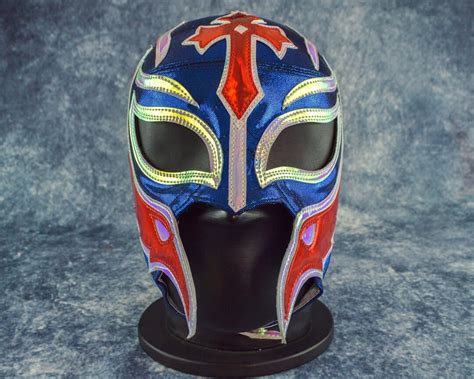
An iconic Lucha Libre mask
The Mask as a Wrestler's Most Precious Asset
Rich in symbolism, the mask is the wrestler’s most precious asset. The fights with the highest stakes are where the loser is unmasked, essentially disgracing and killing off the character.
The Evolution of a Design: Aguila Solitaria Jr.'s Mask
Aguila Solitaria Jr. wears the same mask design as his father. In the early years of his father's career, the mask he designed was highly detailed, featuring intricate depictions of eagle talons and feathers. However, over time, his father realized that the finer details were hard to distinguish from a distance. To improve visibility, he simplified the design to include only the eagle’s wings and head. This streamlined, black-and-silver winged mask became his iconic trademark, easily recognizable both up close and from afar.
Read also: Discover the story of Casey Swiderski
The eagle was a particularly important symbol within Aztec visual culture, often associated with rulers and warriors. Quetzalcoatl was an avian god and passed into iconographic designs representing the sun, wind, and fertility.
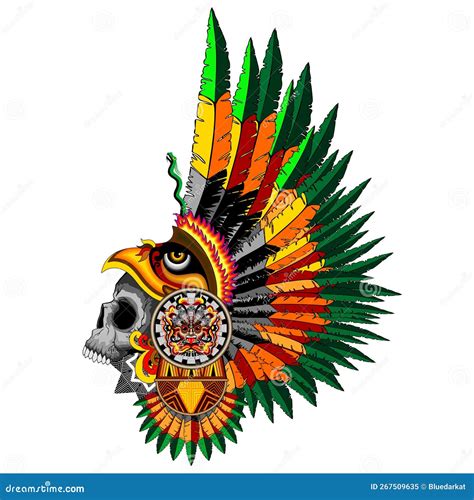
Aztec Eagle Warrior Mask, ceramic
Can you see the similar motifs in the luchadore mask and the Aztec Eagle mask? For luchadores, donning the mask is a form of art and a rite of passage-an act that blurs the line between hero and legend.
How does the design and color of each lucha libre mask influence your perception of the character behind it-does it evoke power, mystery, or something else entirely? What elements of the masks, whether in their patterns, symbols, or materials, seem to draw from Mexico’s rich cultural and historical traditions?
When looking at the masks, what emotions or stories do they communicate to you-how do they transform the wrestler’s identity and presence? Look at some of these Aztec masks, compare and contrast them to the Lucha masks.
Read also: Sectional Wrestling Tournament Details
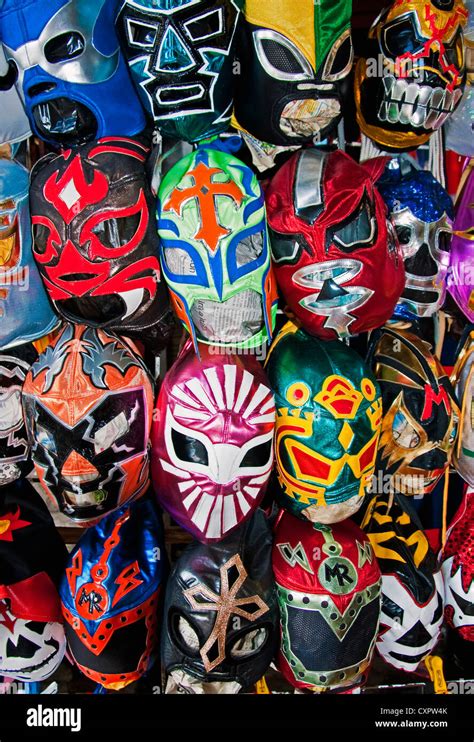
A variety of Lucha Libre masks
The "Second Face" of a Luchadora
"My mask was like my second skin, part of the magic. Now, makeup is an essential part of the character.” Lady Shani
Read all about female wrestler (Luchadora), Lady Shani in Allure.
Since the first luchadores put on their masks in the early 1900s, Lucha Libre has challenged and redefined identity for generations of fans.
Rules That Masked Wrestlers NEED to Follow
Read also: The story of Angelo Posada