Muay Boran is more than just a martial art-it’s a glimpse into the rich cultural heritage and combat traditions of Thailand. This ancient discipline predates modern Muay Thai and was once used by Thai warriors in battlefield combat. With its roots deeply embedded in history, Muay Boran combines powerful strikes, joint locks, and grappling techniques that were designed for survival and self-defense.
Muay Boran, which translates to “Ancient Boxing,” is a traditional Thai martial art that predates the modern sport of Muay Thai. It encompasses a variety of combat techniques and practices that were historically used by Thai warriors in battlefield combat. Muay Boran holds significant historical value as it represents the martial traditions that have been passed down through generations in Thailand. Its origins can be traced back to the ancient Siamese kingdoms, where it was developed and refined as a method of self-defense and military training.
Before the formalization and standardization of Muay Thai in the 1930s, various regional styles of Thai combat were practiced across the country. These included techniques and methods unique to different parts of Thailand, each with its own characteristics and specialties. Muay Boran or Muay Thai Boran was no sport. It was an unarmed combat style to be used on the battlefield and not in the ring with a referee. There are no fighting rules on a battlefield that exists in the ring, and pretty much anything goes.
The martial art of Muay Boran, which originated in the 13th Sukhothai era and was developed in the 14th and 18th centuries in the Ayutthaya Kingdom, is like touching Thailand’s living legacy when you enter.
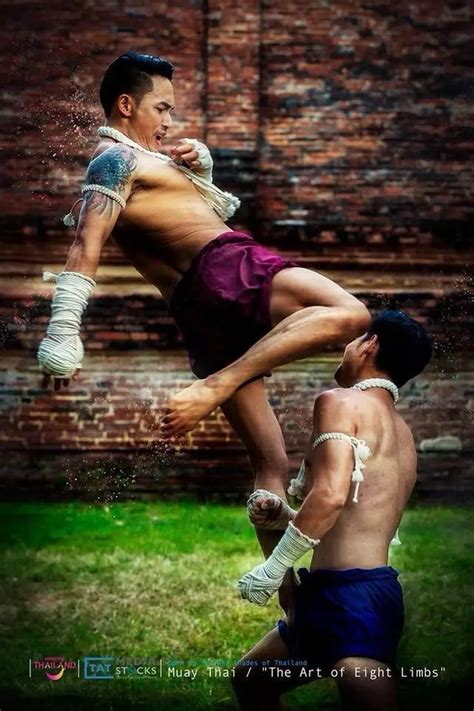
Historical Significance
The Ayutthaya Kingdom (1351-1767) is often credited as the birthplace of Muay Boran. During this period, the art was honed by the Thai military and became a crucial part of the warriors’ training regimen. As Muay Boran developed during the Ayutthaya Kingdom, it became more structured and widely practiced. The kingdom’s frequent conflicts, including wars with neighboring Burma, necessitated effective combat training for soldiers.
Read also: Wrestling Icon: AJ Styles
The Burmese-Siamese War (1547-1549) played a significant role in the evolution of Muay Boran. Thai warriors, including the legendary Nai Khanomtom, used Muay Boran techniques to defend their homeland against Burmese invaders. Despite the many changes in Thai society and the eventual rise of modern Muay Thai, Muay Boran has endured as a vital part of Thailand’s cultural heritage. Its techniques and traditions have been preserved and passed down, ensuring that this ancient art remains alive and relevant.
Nai Khanomtom is one of the most celebrated figures in the history of Muay Boran. Captured during the Burmese-Siamese War, he famously fought his way to freedom using Muay Boran techniques, defeating multiple Burmese fighters in the process. Muay Boran is steeped in the legends of Thailand’s greatest warriors and fighters. Figures like Nai Khanomtom are revered not just for their martial prowess but also for their embodiment of Thai virtues such as bravery, honor, and resilience.
King Mangra of Burma, who ruled during the 18th century, played a notable role in the history of Muay Boran. The story of how Thai fighters, including Nai Khanomtom, demonstrated their martial skills in front of King Mangra’s court has become a legendary tale of Thai martial excellence.
During the reign of King Rama V (1868-1910), Muay Boran underwent significant formalization. Recognizing its importance, King Rama V encouraged the practice and teaching of Muay Boran, helping to preserve its techniques and traditions.
Muay Boran vs. Muay Thai: Key Differences
Muay Boran and Muay Thai, though related, serve different purposes and are practiced differently. Muay Boran was originally designed for real combat scenarios and battlefield survival, incorporating a wide range of techniques meant to incapacitate opponents quickly. Muay Thai, on the other hand, has evolved into a sport with standardized rules and regulations. While it retains many of the strikes and techniques from Muay Boran, it is adapted for competitive fighting in a ring, emphasizing safety and fairness.
Read also: List of Tekken Characters' Fighting Styles
The transformation of Muay Boran into Muay Thai occurred primarily in the early 20th century, as Thailand sought to modernize its martial arts. Influenced by Western boxing, Muay Thai adopted gloves, timed rounds, and a ring. Despite their differences, Muay Boran and Muay Thai share many similarities. Both arts incorporate the Wai Kru ritual, a traditional dance performed before matches to honor teachers and demonstrate respect. Techniques such as knee strikes, clinching, and combo-moves are integral to both styles.
Muay Boran distinguishes itself with several unique techniques and strategies. One of the most notable differences is the use of the head as a weapon, which is not allowed in Muay Thai. Muay Boran also includes more elaborate and flashy attacks, such as acrobatic kicks and jumps, which are less common in the more straightforward approach of Muay Thai.
Here is a table summarizing the key differences between Muay Boran and Muay Thai:
| Feature | Muay Boran | Muay Thai |
|---|---|---|
| Purpose | Real combat, battlefield survival | Sport, competitive fighting |
| Rules | Fewer rules, designed for lethality | Standardized rules for safety |
| Techniques | Headbutts, joint locks, throws | Strikes with fists, elbows, knees, shins |
| Stance | Lower and wider | Narrower |
| Attacks | Flashy, acrobatic | Straightforward |
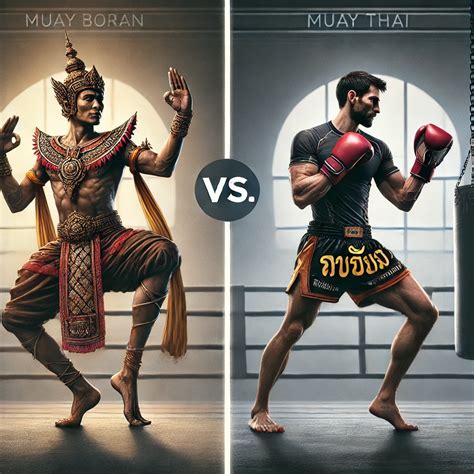
Muay Boran - The Ancient and Deadly Martial Art behind Muay Thai
Comparison with Lethwei
Lethwei, also known as Burmese boxing, is often compared to Muay Boran due to their similarities. Both martial arts originate from Southeast Asia and share many techniques, including strikes with fists, elbows, knees, and feet. While Muay Boran and Lethwei both emphasize powerful, close-range combat, Lethwei is known for its emphasis on headbutts, which are a central part of its technique repertoire. Lethwei fighters also typically fight with minimal protective gear, often using only gauze and tape on their hands.
Muay Boran, on the other hand, incorporates a broader range of techniques, including joint locks and throws, reflecting its historical roots in battlefield combat. One of the distinguishing features of Muay Boran is the use of the head as a weapon. Muay Boran fighters typically adopt a lower and wider stance compared to Muay Thai practitioners. Muay Boran incorporates a variety of grappling, clinching, and throwing techniques, reflecting its comprehensive approach to combat.
Read also: Native American Martial Arts
Regional Styles of Muay Boran
As Muay Boran was a collective of Thai Boxing practiced in different regions all over Thailand, there are many variations to this style.
- Muay Thasao: Often referred to as the “monkey style,” is characterized by its fluid and agile movements. Practitioners use quick, evasive footwork and acrobatic techniques, resembling the movements of a monkey. Thasao translates to “monkey feet”.
- Muay Lopburi: Is known for its emphasis on powerful punches and precise kicks. This style is rooted in the historical combat techniques of the Lopburi region.
- Muay Korat: Originating from the Korat region, is famous for its heavy, powerful attacks. The “Buffalo Punch,” a hallmark of this style, is a devastating straight punch delivered with immense force.
- Muay Chaiya: Is renowned for its emphasis on hard elbow and knee strikes. This style incorporates elements of Krabi Krabong, the traditional Thai weaponry art, making it versatile and comprehensive.
- Muay Jerng: Associated with the Lanna Kingdom in northern Thailand, is a dance-based martial art. This style blends traditional dance movements with combat techniques, creating a unique and graceful form of Muay Boran.
- Muay Thaiyuth: Represents a fusion of various Muay Boran styles and other martial arts. This eclectic approach combines the strengths of different techniques, creating a versatile and adaptable fighting style.
- Muay Chaiyut: Is closely related to Muay Thaiyuth and shares many of its characteristics. This style focuses on integrating traditional Muay Boran techniques with modern martial arts practices.
- Muay Chaisawat: Combines elements of Muay Thai and Aikido, blending striking techniques with joint locks and throws. This unique style emphasizes fluidity and control, allowing practitioners to transition seamlessly between striking and grappling.
- Thaiachira: Is a style closely related to Muay Chaiya, sharing its focus on hard elbow and knee strikes.
- Muay Lertrit: Is a military-style martial art that evolved from Muay Boran. This style emphasizes practical combat techniques designed for battlefield scenarios.
- Muay Navarach: Is another military fighting style derived from Muay Boran. It focuses on close-quarters combat and incorporates a range of techniques to neutralize opponents quickly.
Preservation and Modern Relevance
In recent years, there have been significant efforts to preserve and promote Muay Boran. Various organizations and schools are dedicated to teaching this ancient art, ensuring its techniques and traditions are passed down to future generations. Phuket is an ideal destination for training in Muay Boran. The island offers a unique blend of natural beauty, cultural heritage, and world-class training facilities.
Muay Boran is deeply intertwined with Thai heritage and culture. As one of the oldest martial arts in Thailand, it serves as a living link to the country’s rich history and traditions. Preserving Muay Boran goes beyond maintaining its techniques; it involves upholding the cultural practices and rituals associated with the art. Ceremonies such as the Wai Kru, where fighters pay respect to their teachers and ancestors, are essential aspects of Muay Boran training.
Muay Boran continues to play a significant role in the world of modern martial arts. Its techniques have influenced various combat sports, including Muay Thai and Mixed Martial Arts (MMA). Muay Boran has captured the imagination of audiences worldwide, thanks in part to its depiction in movies and media. Films like “Ong Bak,” starring Tony Jaa, have showcased the dynamic and powerful techniques of Muay Boran, bringing it to a global audience.
The global popularity of Muay Boran has surged in recent years, with more people seeking to learn about and practice this ancient art. Martial arts schools around the world now offer Muay Boran training, catering to a diverse range of students. Muay Boran has had a significant impact on the development of Mixed Martial Arts (MMA). Many MMA fighters incorporate techniques from Muay Boran into their training, recognizing its effectiveness in various combat scenarios. Muay Boran’s techniques are highly practical and effective in modern combat sports. Its diverse arsenal of strikes, joint locks, and throws provides fighters with versatile tools for both offense and defense.
Muay Boran is legal to practice and teach in most parts of the world. However, due to its traditional and often brutal techniques, certain moves may be restricted or modified in competitive settings to ensure the safety of participants. Practitioners of Muay Boran are encouraged to preserve the art with respect and integrity. This involves not only mastering its techniques but also understanding and honoring its cultural and historical significance.
Benefits of Training in Muay Boran
Training in Muay Boran offers numerous benefits, both physical and mental. Physically, it enhances strength, flexibility, coordination, and overall fitness. The rigorous training regimen also improves cardiovascular health and endurance. Mentally, Muay Boran fosters discipline, focus, and self-confidence.
Muay Boran’s techniques are highly effective for self-defense. Its emphasis on powerful strikes, joint locks, and quick takedowns can be invaluable in real-world scenarios. Muay Boran is an ancient Thai martial art that encompasses a wide range of combat techniques, including strikes, joint locks, and throws. Muay Boran and Muay Thai differ in their purpose and practice. Muay Boran is a traditional martial art focused on practical combat techniques, while Muay Thai is a sport with standardized rules and regulations.
Finding legitimate Muay Boran schools can be challenging, but reputable institutions like the Muay Thai Conservation Center and Baan Chang Thai Arts School offer authentic training. Modern Muay Boran training often includes safety measures and controlled sparring to prevent injuries.
Preparing for Muay Boran training requires both physical and mental readiness. Physically, practitioners should focus on building strength, flexibility, and endurance. Cultivate mental discipline and a willingness to learn.
Selecting the right gym is crucial for a successful Muay Boran journey. Look for reputable schools with experienced instructors who emphasize both technique and cultural understanding. Phuket offers an ideal setting for Muay Boran training, with its beautiful landscapes, rich cultural heritage, and top-notch training facilities. Embrace the opportunity to train in a unique environment, learn from skilled instructors, and immerse yourself in Thai culture.
Muay Boran, with its deep historical roots and practical combat techniques, offers a unique and enriching martial arts experience. Training in Muay Boran not only enhances physical and mental capabilities but also provides a profound connection to Thai culture and heritage.