You’ve probably heard the conventional wisdom that goes something like this: If it comes between you and the ground, don’t skimp on it. Starting wrestling can feel overwhelming, but the list of what you truly need is actually pretty short. The right gear keeps you safe, helps you perform your best, and ensures you meet competition requirements.
This guide provides essential information on selecting the right wrestling shoes and headgear to ensure comfort, safety, and optimal performance.
Wrestling Beginner Essentials
Wrestling Shoes: Finding the Right Fit
The most important piece of equipment is your wrestling shoes. They provide traction, agility, and ankle support that regular sneakers simply can’t match. A good pair fits snugly-almost like a sock-and allows you to move quickly without slipping. Wrestling shoes should never be worn off the mat, since dirt and debris can damage the wrestling surface and reduce grip.
Shopping for wrestling shoes can be a little overwhelming - there is a wide variety of styles and big price discrepancies - how do you know which one is right for you? You’ll typically see prices that range from $50 to over $150 for wrestling shoes. Like most things you shop for, the most expensive shoe isn’t necessarily the best for you. Shoes on the higher end of the spectrum use the most advanced materials and features - those can be critical if you’re competing at a high level, but for the average wrestler they might be overkill.
Personal preference is a big factor here, but in general you want to choose a pair that is a little more snug than a typical athletic shoe. As you’re wrestling and looking for traction on the mat, you don’t want your foot to move much inside the shoe. Wrestling shoes are lighter than typical shoes and are designed to have a more “sock-like” fit than tennis shoes. This ensures more flexibility and mobility on the mat, while still providing protection for your ankles, toes, and toenails.
Read also: Discover the story of Casey Swiderski
There aren't any shoes designated as “wide” typically in the world of wrestling.
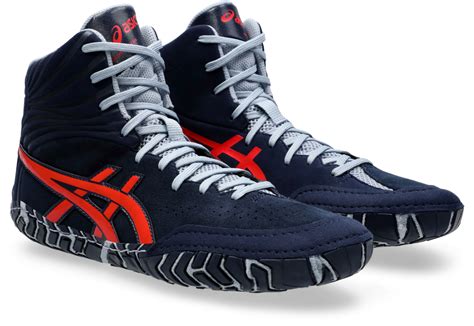
Sizing Considerations
Men’s vs. There aren’t men’s or women’s wrestling shoes, they are all designed to be unisex. Some colors are more ‘masculine’ or ‘feminine’ but they don’t differentiate in fit or features. When shopping for wrestling shoes for girls, you’ll want to go down between one full size and a size and a half to get the correct size. Not all styles are available in youth.
Understanding Wrestling Shoe Lingo
When you’re reading the descriptions of wrestling shoes, you’re likely to encounter a lot of lingo and jargon that can be confusing:
- Last - A last is simply a form or template made of wood or plastic that has a shape similar to that of a human foot.
- TPU - Some pairs will reference TPU in the toe or other parts.
- Split Sole - A split sole shoe has two distinct rubberized sections on the bottom - one under the ball of the foot, and the other under the heel. This provides traction when pushing off of the mat, but still allows for flexibility in the mid part of the foot. Depending on the shoe, you’d be able to fold a split sole shoe almost in half (provided you’re not wearing it at the time!). Compare that with a “unisole” or non-split sole shoe, which has one continuous rubberized sole.
- Midsole - The midsole is the layer in between the upper part of the shoe and the outsole.
- EVA - You’ll often see a reference to an “EVA Midsole” in shoe descriptions.
Socks
In short, yes. A good pair of athletic socks will provide an additional layer of cushion for your foot and help to stabilize the fit inside your shoes. Wrestling socks might seem like an afterthought, but they play a bigger role than most realize. The right socks prevent blisters, keep your feet dry, and improve comfort inside your shoes. Look for moisture-wicking material that fits high enough to cover the ankle.
Caring for Your Wrestling Shoes
In terms of investment, wrestling shoes represent a significant portion of your gear budget - especially if you’re buying a pair on the high end of the price scale.
Read also: Sectional Wrestling Tournament Details
Here are some tips to extend the life of your wrestling shoes:
- Only wear them when wrestling - This is hopefully obvious, but take them off when you’re not practicing or competing. The thinner soles of wrestling shoes are made of less durable material that won’t hold up to walking through the parking lot.
- Let them dry fully between wears - Moisture is the friend of stinky feet. If your shoes don’t dry out (like if you stuff them in the bottom of your bag for 2 days) you’ll be in for a smelly surprise when you pull them out again.
- Clean them when needed - Wrestling shoes can be cleaned to extend their lifespan. You can remove the laces and wash them by hand in warm soapy water. For cleaning the body of the shoe, a washcloth and warm water work well. Just get the cloth wet, and rub in a circular motion on the areas that need cleaning. You can add a few drops of dish soap to the water as well if necessary. If you do use soap, make sure to do a final wipe down with a cloth and plain water to remove the soap.
- Use Shoe Covers - Shoe Skins or Shoe Covers are rubber “slippers” that pull on over the outside of your shoe.
If you’re just starting out, one pair of shoes should be plenty - as long as they are not worn to mow the lawn or walk the dog, they’ll last reasonably well through a season of practice and competition. As you get more involved in the sport, you may want to get a second pair to designate as a “competition” shoe - the pair that only gets worn when you’re dominating your opponent on the way to the medal stand.
Headgear: Protecting Your Ears
Headgear, sometimes called ear guards, is essential for protecting your ears from bruising or developing cauliflower ear-a common wrestling injury caused by friction and impact. At most amateur levels headgear is mandatory as wrestler’s ears are particularly vulnerable to injury and infection. Headgear is designed specifically to protect the ears from the repetitive friction that occurs between the opponent’s body parts as well as the mats.
Repetitive friction can lead to the common wrestling ear injury called ‘cauliflower ear’ which can be painful and, if advanced, quite aesthetically unpleasing (see common wrestling injuries.) The headgear in wrestling, unlike many other sports, is not designed to specifically provide protection against impact to the skull or brain. For this reason the development of good wrestling technique focused on minimizing the impact to the head is essential.
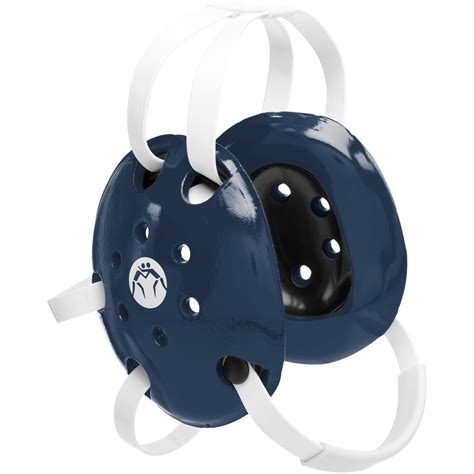
Key Features to Consider
- Comfort and Fit: Headgear must fit snugly without causing discomfort. Adjustable straps provide a customizable feel while keeping the equipment secure. A piece that shifts or moves during a takedown can quickly become a nuisance.
- Material Durability: The material used in wrestling headgear determines its longevity and protection level. Hard plastic shells provide solid protection, while soft foam options offer flexibility and lightweight comfort.
- Ear Protection: Effective ear padding protects against abrasions and impact.
- Breathability and Weight: Wrestlers require gear that enhances, rather than hinders, performance. Look for breathable padding and lightweight options.
Types of Headgear
Two primary styles dominate wrestling: traditional and hybrid designs. Traditional options feature rigid outer shells with thick padding, delivering maximum protection. Modern advancements include sleek, low-profile versions favored by competitive athletes looking for minimalist solutions.
Read also: The story of Angelo Posada
Proper Fitting and Maintenance
- Measure Your Head: Accurate measurements guide your search.
- Simulate Movement: During fitting, mimic wrestling motions like sprawling, shooting, or clinching.
Durability depends on proper care. Clean headgear regularly to remove sweat and bacteria buildup. Wipe surfaces with disinfectant or gentle soap, and let it air-dry completely before storing.
Additional Essential Gear
Besides shoes and headgear, other important gear includes:
- Singlet: A wrestling singlet is a one-piece, tight-fitting lycra or nylon uniform that is worn by both male and female wrestlers. Women’s singlets differ from mens mainly in that they are higher cut and designed to more closely fit the contours of a woman’s body. The tight fit of the singlet allows the referee to clearly see where the wrestler’s body is in order to award points or penalties, but it also helps to ensure that the fingers don’t accidently get caught in the uniform when trying to take the opponent down. For these reasons, when choosing a singlet, it is important to ensure that it is well fitted but not too tight for comfort. Many singlets are now made with moisture-wicking material which would be recommended if available.
- Mouth Guard: Mouth guards are designed to absorb some of the impact from blows to the jaw and teeth and it is recommended that they be worn when wrestling. Standard mouth guards are available in most sporting stores, but they tend to be bulky and do no provide good protection due to their inability to mold to individual teeth configurations. A moldable plastic mouth guard is also often available in sporting stores and is an alternative to the standard mouth guard. These types of guards are made from a soft moldable plastic that can be melted in hot water and then placed in the mouth so that they mold to the shape of the teeth. These guards can still feel bulky and therefore may interfere with breathing, however, they would be recommended above the standard guard. If you are an avid wrestler, it would be worthy to get a custom fitted mouth guard to provide maximum protection. These guards are made by a dental professional and molded from a special shock absorbing material. Custom mouth guards mold exactly to the fit of the individual player’s mouth anatomy and therefore provide maximum protection.
- Pads (Knee & Elbow): Due to the constant friction and impact on both the knees and elbows during wrestling, pads for both these areas are recommended although they are not mandatory. There are several varieties of pads although traditionally they tend to be thinner than the protective pads used in many other sports and are fitted like a sleeve that covers the joint as well as a large portion of the skin both above and below the joint. Choose pads that fit well to the circumference of your limb and do not slide down easliy. In addition, ensure the padding portion covers your joint adequately and be sure to adjust the pad position as necessary to provide maximum protection to the bony areas of the joint. If you have a pre-existing injury to either your elbow or knee, it would be recommended to purchase a thicker pad to provide optimal protection.
Hygiene and Gear Maintenance
Good hygiene is just as important as good technique in wrestling. Because the sport involves constant skin contact, cleaning up immediately after practice helps prevent infections like ringworm or impetigo. Use antibacterial soap, dry off with a clean towel, and wash all clothing and gear after every session.
As the wrestling season draws to a close, it's essential to think about properly storing your gear. Using Matguard Body Wipes before washing and storing your wrestling gear is an essential step in maintaining its longevity. These wipes are specially designed to remove sweat, dirt, and bacteria from your skin, which can prevent the buildup of unpleasant odors and bacteria on your gear.
Equipment and wrestling gear should be sprayed with Matguard Disinfectant Spray both inside and outside. Store your gear in a cool, dry place away from direct sunlight. Avoid damp basements or garages as moisture can cause mold or mildew to form. A closet or spare room is an excellent option, or you could use plastic containers with tight-fitting lids. Make sure the containers are vented to allow air to circulate, and avoid stacking containers too high.
FAQ: Essential Wrestling Gear
Here are some frequently asked questions about wrestling gear:
Q. What gear do beginners need?
A. Most wrestling beginners need beginner wrestling shoes, a singlet or wrestling leotard, wrestling headgear, mouthguard, and optional pads.
Q. What should I bring to wrestling practice?
A. Bring clean wrestling outfit pieces-wrestling shorts and shirt, wrestling top, and shoes-plus water and a small wrestling set of towel and soap.
Q. Is it too late to start wrestling at 14?
A. No, many athletes join high school wrestling gear programs at 14 and still succeed.
Q. How can I keep wrestling gear affordable?
A. Core high school wrestling gear and youth kits can be kept affordable with cheap wrestling gear and sales.
Q. How do I break in new wrestling shoes and headgear?
A. Wear your wrestling shoes and headgear during drills and light sparring until they feel natural.