The middleweight division has traditionally been regarded as one of boxing’s true “glamour” divisions, boasting some of the best talent to ever lace ’em up and some of the fight game’s biggest draws. Reflection and research reveals this was not always the case, but it was true often enough to bestow a mystique on boxing’s ‘original eight weight classes’ which carries through to the modern day. As good as they can be, as great as some of their competitors have been and still are, weight classes prefixed by a “Jr.” designation will always be seen some as bastard spawn which took something away from the game no matter what they added.
Even with classes taking up space in between the old markers, the eight continue to provide memories and spilled blood today. Over the course of this series, homage is paid to boxing’s original eight by identifying the best of their lot through the years.
For any new boxing fan, the time is not long before a fellow fan points out a magic number which grows more mythologized with time: eight. As in boxing’s original eight weight classes. The number represents in the mind of many a time when the sport was compressed into fields which couldn’t help but be talented, couldn’t help but draw crowds, because there were so few places on the scale to go. They were divisions marked by single champions ever challenged by a depth of contenders today’s seventeen weight classes rarely know.
Our ranking here of the very best is restricted to those who fought at or near 160 pounds during most of their prime, thus allowing us to not have to worry about where to fit in greats Sam Langford, Mickey Walker, Billy Conn, and of course the great Sugar Ray Robinson.
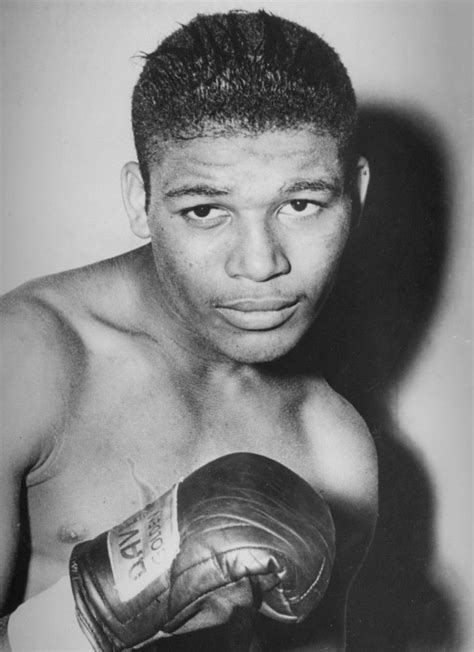
Often considered the best middleweight boxer of all time, Sugar Ray Robinson redefined what it meant to be a complete fighter. His blend of athleticism, timing, and finishing ability remains the gold standard in boxing history.
Read also: Evolution of UFC Combat
Sugar Ray was known for his changing his style constantly and could go with different styles between rounds. Some of the opponents he beat include Carmen Basillio, Gene Fullmer, Bobo Olsen and Rocky Graziano. He inspired many boxers and professional fighters to get into boxing.
From 1943 to 1951 Robinson went on a 91-fight unbeaten streak which is still the sixth-longest in professional boxing history. The fighter’s skills were from way beyond his time and he even inspired the great Muhammad Ali to get into boxing.
Pound For Pound Greatness!! Sugar Ray Robinson !
The Top Middleweight Boxers
12. Tony Zale
Wins over Al Hostak, Georgie Abrams, Rocky Graziano and Fred Apostoli set “The Man of Steel” apart.
11. Bernard Hopkins
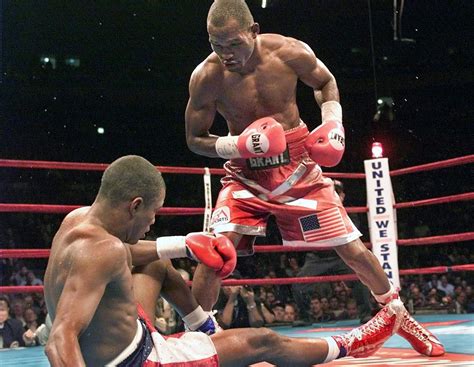
Philadelphia’s “Executioner” is a modern great who, competing now as a 45 year old Light Heavyweight, continues to grow his legend. It started quietly enough, Hopkins losing a four rounder in his pro debut in 1988 before returning in early 1990 to win 22 in a row while building a reputation as a puncher and earning a shot at the vacant IBF belt in May 1993.
Hopkins would give a good account of himself but ultimately lose a points verdict to a young Roy Jones. Four more wins followed and, when Jones vacated the belt, Hopkins got a second chance. Coming off the floor twice, Hopkins was forced to settle for a draw versus Segundo Mercado in December 1994. He made the third try the charm, brutalizing Mercado in seven rounds five months later to begin a steady climb to recognition.
Read also: Mastering BJJ Submissions
Stoppages of former titlist John David Jackson and a then-undefeated future Light Heavyweight titlist Glen Johnson helped but it was Don King’s Middleweight unification tournament in 2001 which brought Hopkins to greatness. A lopsided decision over two-time WBC titlist Keith Holmes led to a Madison Square Garden showdown with WBA titlist Felix Trinidad in September 2001.
Delayed by the specter of 9/11, Hopkins put forth a masterful effort, undressing and stopping the undefeated Trinidad in the twelfth round. Moving forward as the undisputed king at 160 lbs., Hopkins battled more often with King behind the scenes than in the ring, defending only three times from 2002-03 but finishing with a beating of Joppy to close the promotional battle.
A 2004 win over De La Hoya, via ninth round body shot, gave Hopkins his richest encounter and, in 2005, a pair of decision highly debatable decision losses to the ill-presumed heir apparent, Jermain Taylor, ended his decade at or near the top of class.
Hopkins would bounce back with a Light Heavyweight win for the Ring Magazine title over Antonio Tarver in 2006 and added the scalps of former Jr. Middleweight champion Winky Wright and reigning Middleweight champion Kelly Pavlik, with a competitive loss to Super Middleweight stalwart Joe Calzaghe in between, through 2008.
Known as "The Executioner," Bernard Hopkins showcased technical brilliance and mental fortitude throughout his career.
Read also: The Definitive Wrestling Ranking
10. Jake LaMotta
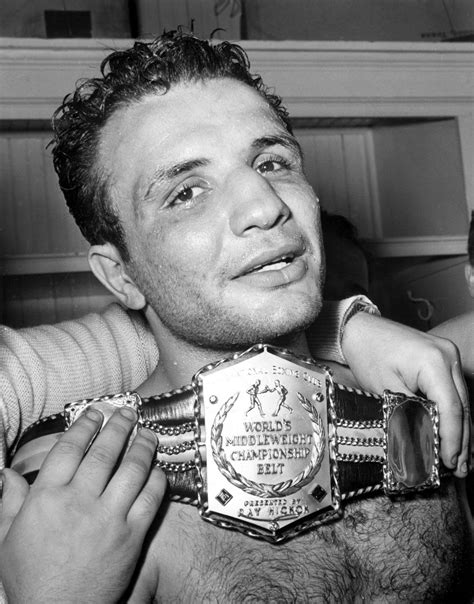
Jake La Motta was the first person to defeat ‘Sugar’ Ray Robinson, a fighter many see as the greatest of all time. La Motta had a relentless come-forward style and an incredible chin that meant fans adored watching him fight.
The American showed incredible heart and bravery in his six contests against Robinson, he may have only won one but dropped the great man multiple times. La Motta even had the hit Hollywood film ‘Raging Bull’ made about his turbulent life, starring Robert De Niro.
9. Tiger Flowers
Competing with Mickey Walker and Harry Greb automatically puts Flowers among the elite. He gave Greb two tough battles and his loss to Walker was widely viewed as a robbery.

One of the rare Black fighters to get a title shot in the years between Jack Johnson and Joe Louis, the “Georgia Deacon” was one of the game’s greatest southpaws, a combination of expert defense and awkward offense who befuddled those who couldn’t catch him. Flowers turned professional at 22, winning his first two contests by knockout and was undefeated until 1921 when the forgotten but tough Panama Joe Gans stopped him twice in an otherwise unblemished thirteen fight year.
His increasing level of competition through twenty fights in 1922 saw four more losses, again all by knockout, two of them against Hall of Fame Light Heavyweight Kid Norfolk and an aged, Heavyweight Sam Langford; he draw with Norfolk later in the year, but be stopped in the first round of their third contest in May 1923. The latter year wasn’t all bad with Flowers avenging a previous knockout loss to Jamaica Kid and earning a news verdict over Gans.
A September 1923 stoppage loss (on an injury) to Fireman Jim Flynn was the last official defeat for some forty fights into the beginning of 1925. During the run, Flowers battled on largely even terms with Middleweight Champion Harry Greb in a no verdict affair, further avenged the loss to Jamaica Kid and another earlier loss to Lee Anderson while knocking out recently deposed Middleweight king Johnny Wilson in three.
His chin bite him twice in 1925 at the hands of future Light Heavyweight king Jack Delaney but he avenged a disqualification loss to Lou Bogash early in the year with three decision wins by year’s end. 1925 ended with Flowers’s first decision loss, a debatable split with former Light Heavyweight champion Mike McTigue at the Garden.
His first fight of 1926, on February 26, would provide him his finest moment, though not without some argument in the press. Back at the Garden only two months after McTigue, Flowers captured a points verdict over Greb for the Middleweight crown over fifteen rounds. Undefeated in six non-title affairs, Flowers returned to New York to make his first and only successful defense of the crown in an August rematch with Greb.
As was the case in their first two bouts, opinions varied about the better man but Flowers left the winner in fifteen. Four fights remained in the year, two of them losses. In October, he was disqualified in the ninth against Hall of Fame Light Heavyweight Maxie Rosenbloom and, for the title in December, lost what some recount as one of the worst decisions to Mickey Walker.
He would never get a rematch, though he did his best to drum up interest with 19 contests in 1927 which featured only one loss to contender Leo Lomski against wins over former Welterweight king Petey Latzo, Bogash, Jock Malone, and two draws with Rosenbloom. In November 1927, Flowers died of anesthesia complications on the operating table in a procedure to remove scar tissues from his eyes at age 32.
8. Mickey Walker
While reigning as the Welterweight champion of the world, the Middleweight championship proved elusive for Elizabeth, New Jersey’s “Toy Bulldog.” A July 1925 challenge of Harry Greb at the Polo Grounds in New York fell short. Just months after losing the Welterweight title to Petey Latzo in May 1926, he’d make good with his second chance (sort of).
In a decision which sparked an investigation from the state commission, Walker won the crown in December 1926 on a ten round points verdict from Tiger Flowers in Chicago. The controversy of the decision could take nothing away from the body of work which followed. While he defended rarely, Walker shied away from few and regularly sought out bigger men.
Former Light Heavyweight champion Mike McTigue was stopped in a single round in November 1927; later in the month, he sent another former Light Heavyweight champion, Paul Berlenbach, to the floor en route to a decision win. In March 1929, he’d fall just short of the title in the higher division, losing a split verdict to the great Tommy Loughran but he was far from done.
Regularly giving up better than 30 pounds, contesting below the 170 lb. mark on the scale until a couple years into the 1930s, Walker began chasing Heavyweights to great success. Top contenders like Bearcat Wright and Paulino Uzcudun fell short; future champion Jack Sharkey was held even over fifteen rounds in July 1931. Max Schmeling pummeled him the following year but Walker wasn’t done yet.
Losses to smaller men like Lou Brouillard and Young Corbett III were offset by a split with Light Heavyweight great Maxie Rosenbloom. The wild ride came to a close in 1935 with a stoppage loss to Erich Seelig but Walker had more than etched his spot in fistic lore.
7. Freddie Steele
Solid wins over Fred Apostoli, Ceferino Garcia, Gus Lesnevich, Vince Dundee and Babe Risko. Record of 124-6-8.
6. Gennady Golovkin
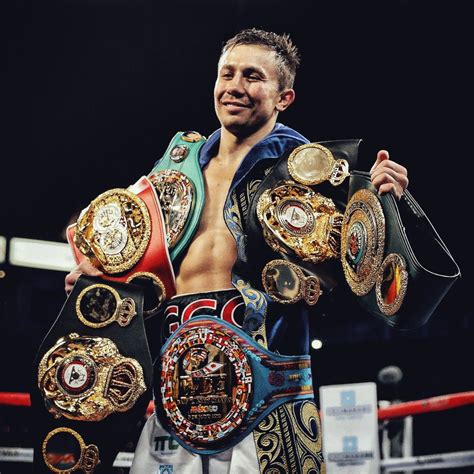
Gennady Golovkin was not only the greatest puncher the middleweight division has ever seen, but he had one of the best chins too. Golovkin looked unbeatable in his prime, securing devastating knockouts over the likes of David Lemieux and Matthew Macklin.
‘GGG’ held the middleweight championship of the world for eight years between 2010 and 2018, only suffering defeat to ‘Canelo’ Alvarez. Golovkin famously boxed Alvarez three times but never had his hand raised against the Mexican. This doesn’t stop the Kazakh from being ranked so highly, as he was very unlucky not to win two of those contests.
Pound For Pound Greatness!! Sugar Ray Robinson !
5. Roberto Durán
Durán has an amazing record with 103 wins and 70 of them being knockouts but he is also a four weight world champion. This includes winning the lightweight, welterweight, light middleweight and middleweight titles. Durán is the second boxer to his career stretch over 5 decades.
4. Charley Burley
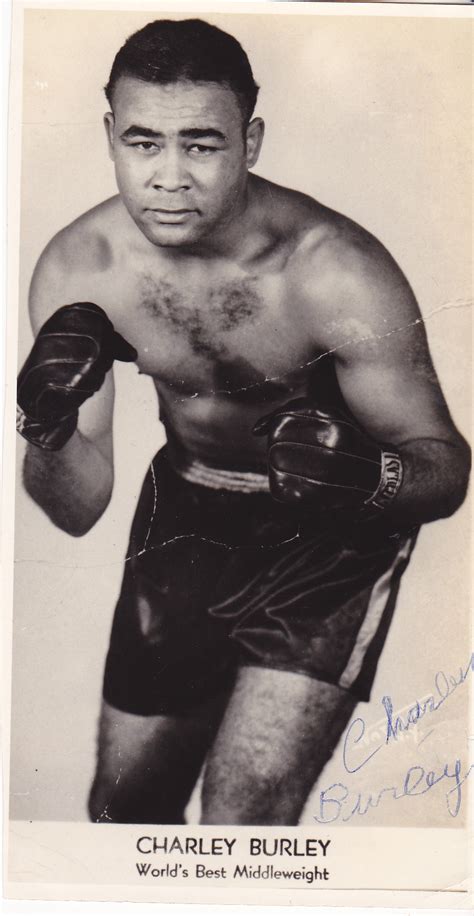
3. Marvelous Marvin Hagler
Hagler was the best middleweight in the world for over a full decade, during which he lost only one fight. He cleaned out the division in the late 70’s before finally getting a chance at the world championship in 1980. “The Marvelous One” was so dominant that top contenders thought twice before agreeing to fight him for the title.
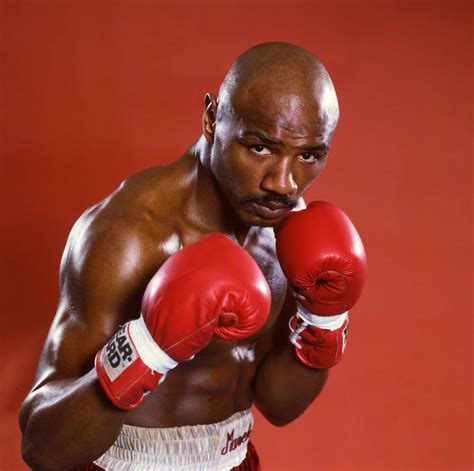
‘Marvellous’ Marvin Hagler held the undisputed middleweight championship from 1980 to 1987, making 12 successful defenses of his crown. Hagler was one of the biggest punchers the division has ever seen, winning all but one of his title defenses by knockout.
The American is remembered for his iconic fight against Tommy Hearns, where the two men didn’t take a backward step for three bloody rounds. Hagler only suffered one defeat in his entire career, and that was to ‘Sugar’ Ray Leonard in a fight many saw him winning.
Pound For Pound Greatness!! Sugar Ray Robinson !
2. Bob Fitzsimmons
The man they called “The Fighting Blacksmith” is famous for his exploits at heavier weights and for being boxing’s first triple crown champ, but his amazing punching power, huge win over Jack “The Nonpareil” Dempsey, and the fact Fitz remained near 160 pounds for most of his career, guarantee him high standing here.
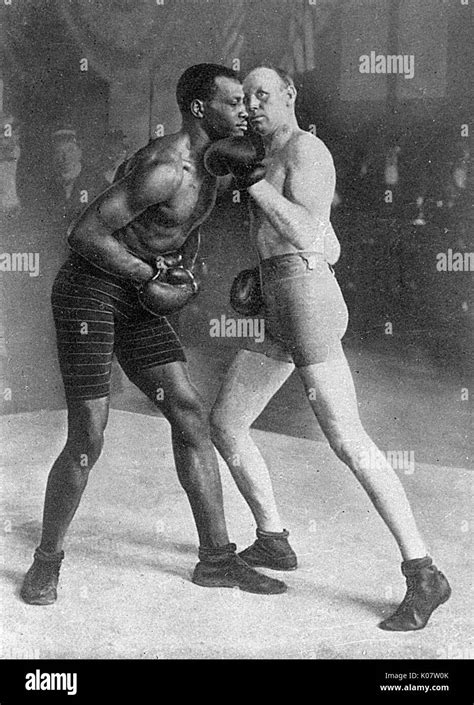
The U.K.-born “Ruby Robert” was boxing’s first Triple Crown winner, a World Champion at Middleweight, Heavyweight and Light Heavyweight (in that order) who rarely came close to the modern Light Heavyweight limit of 175 lbs. in 1890. Fitzsimmons scored three knockouts in a row before ending the reign of the first Jack Dempsey with a 13th round knockout in Louisiana in January 1891.
He would reign at Middleweight four years, but rarely defended the crown, instead pursuing larger men and dollars. Sometimes giving up close to eighty pounds in the ring, Fitzsimmons would lose only once from late February 1890 to June 1899, the loss coming via disqualification to Hall of Fame Heavyweight Tom Sharkey, while winning most of over forty fights by knockout and engaging in countless exhibitions across the country.
Across the span, he avenged a knockout loss to Jim Hall and bested undefeated Jim Creedon in defense of his title. Fitzsimmons vacated the throne in 1895 and challenged for the Heavyweight crown in 1897. Weighing in at 167 lbs., Fitzsimmons gave up seventeen pounds but found a devastating blow to the body to stop James Corbett for the honors in March 1897.
He’d avenge the Sharkey loss by knockout before being stopped himself by the great James Jeffries in June 1899.
1. Harry Greb
“The Smoke City Wildcat” is forever the greatest of them all at 160 as he rarely weighed more and was clearly the best in the division for years before he finally won the world title in 1923.
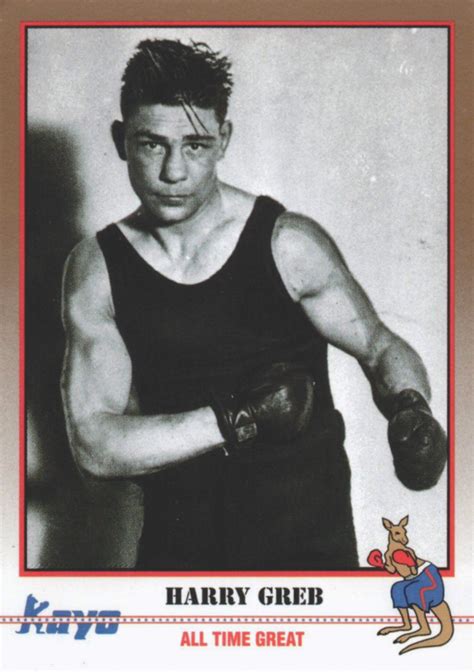
Having almost 300 fights in his career and winning just over 260 over them fights, he was a very prolific boxer. Greb was a very fast boxer and had phenomenal footwork. An aggressive fighter although sometimes he lacked the knockout power to knockout his opponents. Henry Greb was considered by many to be the best middleweight champion of all time.
He had remarkable heart and outstanding determination and would carry on fighting no matter what.
The legacy of the middleweight division is a testament to boxing’s enduring appeal. The best middleweight boxers ever combined heart, skill, and strategy in a way that captured the spirit of the sport.
| Boxer | Years Active | Notable Achievements |
|---|---|---|
| Sugar Ray Robinson | 1940-1965 | Multiple-time middleweight champion, 91-fight unbeaten streak |
| Marvin Hagler | 1973-1987 | Undisputed middleweight champion, 12 title defenses |
| Bob Fitzsimmons | 1885-1914 | First triple crown winner, champion in three weight classes |
| Harry Greb | 1913-1926 | Aggressive fighter with remarkable heart and determination |
| Bernard Hopkins | 1988-2016 | Oldest boxer to win a world title, strategic and intelligent boxer |