In the world of combat sports, wrestling stands out as a discipline where athletes from all backgrounds can demonstrate their skills and determination. Since its inception, wrestling has predominantly been a male-dominated sport. However, the landscape is evolving, with increasing participation and recognition of female wrestlers.
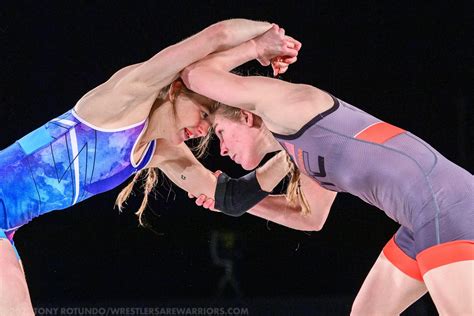
A female wrestling match at the 2016 Summer Olympics
Historical Context and Gender Barriers
Historically, women were often directed towards sports with less physical contact, such as figure skating, gymnastics, badminton, and tennis. Participation in team sports that involved significant strength and physical contact was discouraged until the late 20th century, particularly before the enforcement of Title IX legislation.
Title IX, a comprehensive federal law enacted in 1972, prohibits discrimination on the basis of sex in any education program or activity receiving federal financial assistance. This law has played a crucial role in opening doors for women in sports, including wrestling, by ensuring equal opportunities and resources.
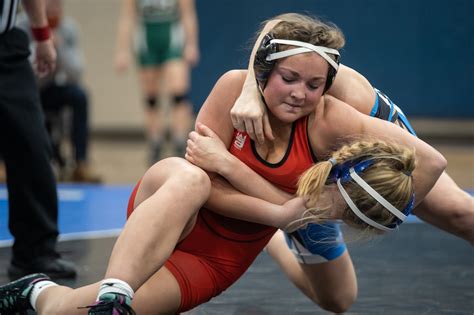
Growth of Girls Wrestling in the USA
Read also: Wonder Woman: A wrestling icon
Addressing Size and Strength Differences
One of the primary arguments against female involvement in wrestling is the perceived size and strength disparity between women and men. While this is a valid concern, wrestling employs weight classes to ensure fair competition. Weight classes allow for a more level playing field, diminishing the strength differences when females and males are paired together.
The pairing of wrestlers is based not merely on physical strength but on body weight. This, therefore, allows both females to be evenly matched when they are paired together, but also when females and males are paired, as being in the same weight class greatly diminishes the strength differences.
Moreover, the instances of girls wrestling boys are decreasing as female wrestling participation experiences explosive growth. During the 2022-2023 season, there was a 46% average increase across all states, indicating a significant shift in the sport's demographics.
Here's a table illustrating the growth in girls' wrestling participation:
| Year | Average Increase in Participation |
|---|---|
| 2022-2023 | 46% |
Uniform Challenges and Solutions
Wrestling uniforms, especially the traditional singlet, present a significant challenge to gender equality. The singlet, a sleeveless, one-piece uniform, is often designed without consideration for the female body. These uniforms can be low-cut or have elongated armholes, potentially exposing the sides of the chest.
Read also: Discover the story of Casey Swiderski
While wearing a shirt or additional garment under the singlet might seem like a solution, it can put female wrestlers at a disadvantage. Additional layers make it easier for opponents to grab and manipulate the uniform. On the other hand, not wearing an additional garment can lead to exposure and discomfort.
How Has Women's Wrestling Champion Attire Evolved? - Wrestling Entertainment News
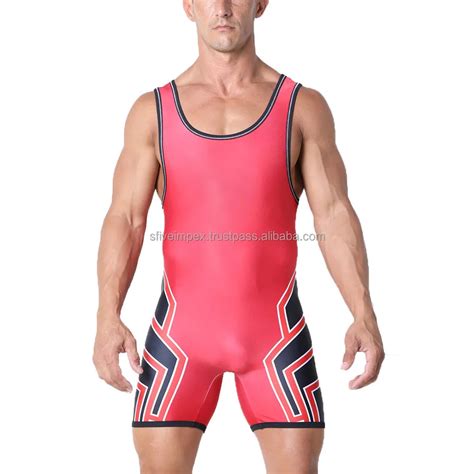
Modern wrestling uniform
The Importance of Opportunity
As the number of female high school wrestlers continues to increase nationally, it is crucial that women and men can be viewed, treated, and competed against fairly. It is imperative that girls have the opportunity to participate in this sport.
The interactions between different martial arts disciplines and athletes of various genders provide an intriguing exploration of combat sports. From the resilience of male and female wrestlers to the strategic dynamics of jiu jitsu, boxing, judo, catch wrestling, and BJJ, these matchups celebrate the diverse techniques and tactics that define the world of martial arts.
Read also: Sectional Wrestling Tournament Details