Are you confident in your ability to defend yourself in a real-world scenario? People who train in martial arts understand the complexities of self-defense, while those who don't often underestimate the challenges involved. Delving into the world of martial arts reveals a wealth of benefits that extend far beyond physical prowess. From building self-confidence and mental discipline to providing stress relief and enhancing emotional well-being, martial arts training offers a holistic approach to personal development.
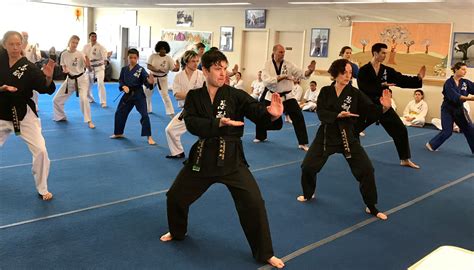
The Illusion of Preparedness: Why Training Matters
Many people overestimate their ability to defend themselves without proper training. This overconfidence often stems from a lack of understanding of the factors involved in a real fight. The LESS you know about a topic, the MORE confident you are about your knowledge in the topic. The MORE you know about a topic, the LESS confident you are about your knowledge in the topic. People who don’t train in Martial Arts don’t understand all the factors that go into it, so they think it is really simple and you just do (insert move here) and could win a fight with that move. People who train Martial Arts know all the pieces that go into it and all the things that can go wrong so they know there is no special move that can end the fight easily. Our skill in a fight comes from the long hours of training that is put in, there is no shortcut.
Consider the scenario described by Hard2Hurt, where a mother at a park was attacked with a knife. Likely she would have said something about becoming Mama Bear. She might have said get out my Pepperspray or Weapon that they keep in their purse. She might have said step between the man and the stroller and fight him off. Do you think that she would have said I would just scream and fall over? I doubt she would have said that, she would have been confident that she could defend herself and her child. You may be saying “Nope, not me, I would fight.” No you wouldn’t, you don’t practice it. That is most likely what you would do too!
Only people who have drilled over and over into their bodies until it is muscle memory will be able to react quick enough to actually Fight. Adrenaline does crazy things, you have correctly heard stories of people lifting things much heavier than they could normally or jumping higher than normal in dangerous situations. However, adrenaline does not give your body knowledge, it can only be given strength and speed to do what it already knows how to do but more.
Martial Artists will tell you that a good portion of fighting is strategy and knowledge of how to react to what your opponent is doing. Adrenaline can enhance skills you already have, but if you don’t have any Martial Arts skills to begin with you aren’t enhancing anything to begin with. If you are thinking, well I watch UFC and boxing so I don’t have zero skills, I‘ll just have to go back to the Steph Curry analogy. If I watch a whole bunch of NBA shooting highlights, but never go out and practice shooting, do I have a better chance of shooting 3 pointers? If I watch a UFC fighter put someone into a Triangle choke, do I now know how to do a Triangle choke? If I watch a boxer throw a perfect combo with dodges and punches that hit their targets perfectly will I be able to copy this? You know the answer to all of these questions is “no”. If you want to be able to defend yourself in a dangerous situation you need to practice. Your mind needs to think through the possibilities, and you need to have moves that you can use against a variety of different kinds of attacks your attacker might use. Your body needs to practice these moves over and over until you can do them without having to think of each step of the process.
Read also: Individual Martial Arts Instruction
The Physical Transformation: Strength, Flexibility, and Endurance
Physical transformation begins the moment you start martial arts training. The dynamic nature of martial arts targets muscles throughout both your upper and lower body. Every punch strengthens arms and shoulders, while kicks develop powerful leg muscles. Meanwhile, defensive movements and stance work build core stability.
Flexibility and Aerobic Fitness
Flexibility becomes a cornerstone of martial arts proficiency, going beyond just impressive high kicks. Active flexibility-the ability to move a joint through its full range of motion using muscle strength-directly impacts performance. The aerobic nature of martial arts training delivers impressive benefits for heart health. High-intensity techniques coupled with continuous movement mirror the effects of interval training, which has been proven particularly effective for cardiovascular conditioning. Martial arts workouts have been shown to increase VO2 max levels-a key indicator of how efficiently your body uses oxygen during exercise.
Endurance and Determination
Endurance in martial arts develops across two crucial dimensions. First, muscular endurance-how long your muscles can perform without fatigue-builds through repetitive training of techniques. This endurance carries over beyond the training hall. The mental discipline forged through martial arts training creates lasting cognitive benefits that extend far beyond the training hall. As one study noted, practicing martial arts greatly affects the improvement of conative characteristics like determination and consistency.
How to Pick a Martial Art | For Beginners
Sharpening the Mind: Focus, Mindfulness, and Reaction Time
Martial arts require intense mental focus to execute techniques accurately and respond swiftly to opponents’ movements. Through repetitive practice, practitioners develop exceptional concentration skills, honing their ability to stay present and tune out distractions. The connection between martial arts and mindfulness lies in their shared emphasis on present-moment awareness. On the mat, practitioners focus their attention fully on movements, breath, and the dynamics of interactions with opponents.
Mindfulness in Action
In disciplines like Jiu-Jitsu, the very nature of training demands presence. As one expert notes, “You can’t wrestle, you can’t roll and do well, if you’re lost in the neurotic thoughts of the chattering mind”. Reaction time-the interval between a stimulus and response-is crucial in martial arts and everyday life. Research shows that elite martial artists develop significantly faster reaction times through specialized training. These cognitive skills develop through combat scenarios that require split-second decisions. Indeed, specialized training significantly enhances reaction time in specific sport situations.
Read also: The Jade Fortress Martial Arts System
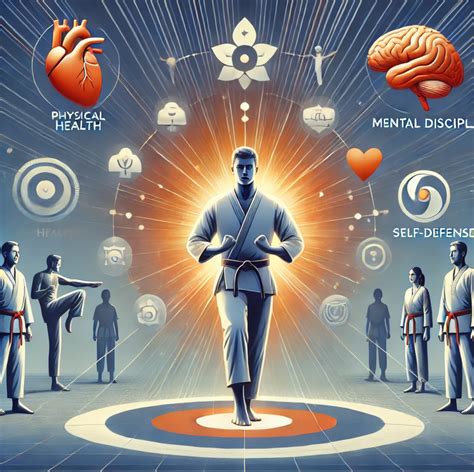
Emotional Well-being: Stress Relief and Positive Biochemical Reactions
Beyond the physical and mental benefits, martial arts serves as a powerful tool for emotional well-being. The physical nature of martial arts training triggers a cascade of positive biochemical reactions in your body. Each training session stimulates the production of endorphins-your brain’s natural mood elevators that create feelings of euphoria and well-being. Martial arts workouts go beyond just releasing endorphins. They also boost serotonin levels, which help regulate mood, reduce stress, and combat anxiety.
Stress Reduction and Emotional Regulation
Research shows that regular martial arts practice reduces cortisol-the primary stress hormone associated with anxiety and depression. The structured nature of martial arts provides a healthy outlet for releasing frustration and anger. Instead of suppressing negative emotions or expressing them destructively, practitioners learn to channel that energy into focused techniques. The breath control practiced in martial arts directly affects your nervous system, activating the parasympathetic response that calms both body and mind.
Scientific research confirms these techniques aren’t just traditional wisdom-controlled breathing directly affects your brain function. In moments of anger, your body’s fight-or-flight response activates-heart rate increases, muscles tense, and adrenaline surges. For many practitioners, martial arts becomes a form of moving meditation, providing a mental break from daily stressors. The principles learned in martial arts extend beyond the training hall. Whether facing work pressures, relationship conflicts, or daily frustrations, the same techniques apply: breathe first, react second. Martial arts helps develop greater self-awareness through breathing exercises and focusing techniques. When anger or anxiety arises, practitioners have better understanding of how to respond appropriately.Character Development: Discipline, Goal-Setting, and Self-Confidence
The structured journey through martial arts develops core character traits that enhance every aspect of life. The belt system in martial arts provides a clear, structured path for growth and skill development. Each belt represents not only technical proficiency but also personal development milestones. This progression teaches the vital life lesson of patience-understanding that meaningful achievements require time and dedication. The journey between belts creates natural waiting periods where students must refine techniques and demonstrate mastery before advancing.
Discipline and Goal-Setting
Martial arts demand structured training routines that require regular commitment and adherence to protocols. This consistent practice becomes a powerful catalyst for developing self-discipline. Students quickly understand that success depends entirely on their personal dedication. No one else can do the work for them-a realization that promotes self-reliance and independence. Martial arts training naturally incorporates goal-setting as a fundamental element. By establishing specific objectives-whether mastering a technique or earning the next belt-practitioners create a roadmap for success.
Self-Confidence and Teamwork
Self-confidence in martial arts stems primarily from rigorous training rather than mere positive self-talk. As one martial arts leader explains, “He who sweats more in training bleeds less in battle”. Despite its appearance as an individual pursuit, martial arts fundamentally builds teamwork skills. Partner drills, sparring sessions, and group activities require practitioners to communicate effectively and support each other’s growth. Leadership qualities emerge naturally through martial arts progression. Advanced students often become role models for newer practitioners, learning to demonstrate techniques and provide encouragement.
Read also: Deep Dive into Court Martial Films
The Comprehensive Benefits of Martial Arts: A Summary
Martial arts training stands as one of the most comprehensive paths to personal development available today. The advantages of martial arts training extend into every facet of life, shaping not only a stronger body but a more resilient mind and disciplined spirit. This practice offers a structured framework for enhancing physical, mental, and emotional health, acting as a complete system for personal growth.
| Benefit | Description |
|---|---|
| Physical Fitness | Comprehensive full-body workout, enhancing strength, flexibility, and endurance. |
| Self-Defense | Practical skills and situational awareness for navigating dangerous encounters. |
| Mental Discipline | Improved focus, concentration, and control over impulses. |
| Self-Confidence | Deep-seated belief in oneself through skill development and overcoming challenges. |
| Stress Relief | Emotional regulation through physical exertion and mental focus. |
| Character Development | Cultivation of respect, integrity, perseverance, and humility. |
| Community Support | Strong, supportive social environment fostering camaraderie and growth. |
| Goal Setting | Structured framework for achieving milestones and personal development. |
The skills acquired on the mat extend far beyond physical techniques, creating ripple effects throughout every aspect of life.The benefits are interconnected, creating a positive feedback loop. Improved physical conditioning and enhanced self-defense skills directly contribute to a surge in self-esteem. The intense focus required during training sharpens mental discipline, which in turn aids in stress relief and emotional regulation.
Written by Invictus Martial Arts on May 12, 2021. May is Mental Health Awareness Month so we’re taking a minute to showcase how martial arts can help. In fact, recent scientific publications in the American Journal Of Men’s Health and BMC Psychology support these claims.Consider martial arts not just as a hobby or fitness routine but as a lifelong investment in becoming your best self. The journey certainly requires commitment, yet the returns extend far beyond the dojo.
tags: #adrenaline #martial #arts