Mixed Martial Arts (MMA) is a thrilling combat sport that requires physical prowess, skill, and discipline. Whether you’re a fan of the sport or an aspiring fighter yourself, understanding the significance of protective gear is vital. Protective gear is of utmost importance in MMA, and it serves multiple crucial purposes.
Protective gear, such as helmets, padding, and body armour, is specifically designed to absorb and distribute the impact of a collision or fall. Wearing protective gear is crucial for ensuring personal safety and reducing the risk of injuries in various activities and sports. It serves multiple purposes, including absorbing impact, protecting vulnerable areas and vital organs, preventing cuts, bruises, and fractures, and maintaining long-term health and well-being.
When it comes to injury prevention, protective gear such as gloves, mouthguards, shin guards, and groin protectors are essential. These gear items significantly reduce the risk of severe injuries during strikes and grappling, providing a crucial layer of safety for fighters. Protective gear is also instrumental in maximising performance and confidence. It allows fighters to fully commit to their techniques, knowing that they have the necessary protection against strikes. Additionally, the use of specific protective gear is mandatory to ensure compliance with rules and regulations.
Let's delve into the specifics of elbow pads and their role in combat sports.
The Role of Elbow Pads in Combat Sports
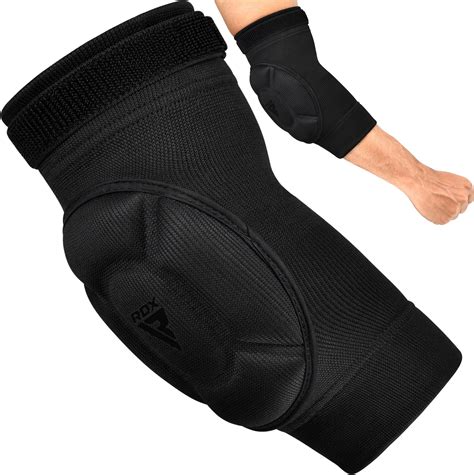
Elbow pads are an often under-utilised piece of protection equipment in combat sports. Fight gear, such as knee pads and helmets are used by almost all fighters, however, combat sport elbow pads rarely receive the importance they deserve. If you practice MMA or Muay Thai, elbow pads should be a key component of your protective gear. BJJ and Judo fighters might also find that they require elbow pads to protect arms in the event that they hit the mat during a throw or takedown. Also, Kickboxers, Taekwondo, and Karate practitioners may all require elbow pads in case of falling during sparring or because of a previous injury.
Read also: Elbow Pads and Muay Thai
Elbow pads are worn in combat sports primarily to prevent injuries. They protect both the wearer and their opponent by cushioning the impact of elbow strikes, which can cause cuts, bruises, and more serious injuries. Wearing elbow pads also allows athletes to train more consistently and effectively by reducing the risk of injury. Additionally, athletes might feel more comfortable practicing and executing elbow techniques without the fear of injuring their partners.
While most discussion around elbow protection centers around sports such as Muay Thai and MMA, injuries to elbows are twice as common in other combat sports such as Taekwondo, Judo, and Karate. This is due in large part to joint injuries incurred with frequent training and repetitive stress on specific parts of the body.
When these kinds of injuries occur, it’s important to take precautions to prevent further injury. In the interim (if your injury is not particularly severe), or after the initial healing process, it’s important to protect your elbows from any additional stress or strain. In these cases, elbow pads can be hugely beneficial. A pair of elbow pads will protect from most common sources of injury, such as a fall during sparring, or hitting the mat during a takedown. Elbow injuries can have serious and lasting consequences and proper elbow protection is vital to sustaining a long and healthy career/hobby.
Elbow pads in combat sports are designed to soften the blow of elbow strikes and prevent fighters from being injured. However, it’s important to note that giving a hard elbow strike can still injury your sparring partner, even with pads on. Before sparring with elbows, you need to ensure that both parties agree and you’ve understood the basic rules of sparring with elbows.
Fairtex EBE1 Elbow Pads | Essential Protection for Muay Thai & MMA
Read also: Fighters and Predictions
Muay Thai and Elbow Pads
Muay Thai elbow pads are most commonly used by fighters practicing for “full rules” Muay Thai fights which allow elbow strikes. While many gyms don’t allow sparring with elbow strikes, if you are wanting to specialise and compete in Muay Thai “full rules” fights, you will need to know how to give and take elbow hits.
An elbow pad is designed to soften the blow of elbow strikes and prevent fighters from being injured. It’s important to note that giving a hard elbow strike can still injury your sparring partner, even with pads on. For this reason, it’s important to wear appropriate headgear for any intense sparring sessions.
Before sparring with elbows, you and your sparring partner need to agree and understand the basic rules of sparring with elbows. You’ll need to exercise caution at all times and maintain clear and open communication between you and your sparring partner. A hard elbow hit can cause lasting damage, so it’s extremely important that you take all necessary precautions and adhere to sparring etiquette when using elbows. The first time someone in the ring hits you with their elbow it can be quite jarring. Practicing elbow jabs with your training partner will get you used to this unique style of fighting, and ready to take on anything in the ring.

Choosing the Right Elbow Pads
Selecting the appropriate protective gear is crucial for ensuring safety and comfort in various activities. The correct protective gear should provide a secure and comfortable fit, be made from durable materials, and come from reputable brands with positive customer feedback. By prioritising these factors, individuals can confidently choose protective gear that offers adequate protection and meets their needs.
Elbow pads must have a number of important features. They shall be made of natural or synthetic fabric, soft and comfortable to the touch. The polyurethane inserts protect the hands and forearms. For example, Blegend, Twins Special Elbow Pads allow your skin to breathe and are highly absorbent, they keep your body warm and increase circulation. Such protection adapts to the shape of your elbow, does not sag or restrict movement. Certain models have an elastic band fixation. This allows the protection to remain in place at all times. Reinforcement of the vulnerable part with a special plate guarantees the protection of the joint in case of a fall.
Read also: Choosing the Right BJJ Knee Pads
Here are some factors to consider when choosing elbow pads:
- Sizing and Fit: Ensure proper fit for effective protection and comfort.
- Quality and Durability: Look for gear made from high-quality materials known for strength and resilience.
- Brand Reputation and Reviews: Choose established brands known for reliable gear.
To find the correct size elbow guard, you should refer to the specific sizing guide provided by the manufacturer. Typically, sizing is based on the circumference of your arm around the elbow. Many elbow pads in combat sports are one-size-fits-all, so if you have abnormally large or small arms you might have difficulty finding a pair of elbow pads that fit you. Some brands cater particularly well to those with larger arms or if you prefer a snug fit. It's a good idea to test a few different pairs to find your best match.
Here's a quick look at some popular brands and models:
| Brand | Model | Features |
|---|---|---|
| Venum | Kontact Elbow Pads | Durable, universal fit, designed for maximum shock absorption, a snug fit, and superior comfort. |
| Fairtex | EBE1 Fabric Elbow Pads | Elastic material with velcro wrap, ergonomic shaped, high density foam pads. |
| Twins Special | Elbow Guards | Tight fit, secured with elastic velcro flap. |
| Blegend | Elbow Pads | Elastic material in combination with an elastic velcro wrap assuring a firm fit during training, lightweight. |
The Venum Kontact Elbow Pads, are a great option for almost any fighter. They’re incredibly durable and the universal fit makes them a great option for arms of all sizes.
With Fairtex EBE1 Fabric Elbow Pads, you can be sure that your elbows are protected. These elbow pads are padded with an ergonomic shaped, high density, foam pads to protect you and your sparring partner. They're also made of elastic material in combination with an elastic velcro wrap assuring a firm fit during training.
Twins Special elbow guards will fit tightly around your arm and are secured from top with a elastic Velcro-flap.
Drawbacks of Elbow Sleeves and Pads
Elbow sleeves have become a staple accessory in the fitness world, known for their supportive and preventive qualities. However, it's important to be aware of potential drawbacks.
One of the primary drawbacks of elbow sleeves is the potential for overreliance. Users may find themselves dependent on the sleeves for support, leading to weakened muscles over time. Continuous use of elbow sleeves may create a dependency, where the user feels discomfort or instability without them. While elbow sleeves provide stability, they can also limit the joint's range of motion.
Elbow sleeves are undoubtedly beneficial, providing support, preventing injuries, and enhancing performance during workouts. To strike the right balance, consider combining the use of elbow sleeves with other fitness practices. Instead of relying solely on sleeves for joint support, incorporate strengthening exercises into your routine. While elbow sleeves offer support, it's essential to know when to take breaks. Continuous use can lead to dependency and weakened muscles.
Here are some frequently asked questions about elbow sleeves:
- Can elbow sleeves be worn all day? It's not recommended to wear elbow sleeves continuously.
- Do elbow sleeves hinder muscle development? Excessive reliance on elbow sleeves may impact natural muscle development.
- Can elbow sleeves worsen existing injuries? Improper use or prolonged reliance on elbow sleeves may exacerbate existing injuries.
- How do elbow sleeves impact overall athletic performance? Elbow sleeves can enhance performance when used appropriately, but excessive reliance may hinder overall athletic development.
Additional Protective Gear in MMA
Protective gear is also instrumental in maximising performance and confidence. It allows fighters to fully commit to their techniques, knowing that they have the necessary protection against strikes. Additionally, the use of specific protective gear is mandatory to ensure compliance with rules and regulations. This requirement guarantees fairness and credibility in MMA competitions.
Here's a brief overview of other essential protective gear:
- Mouthguards: Mouthguards protect the teeth, gums, and jaw during physical activities such as contact sports.
- Headgear: Headgear is designed to safeguard the head from potential impacts and reduce the risk of concussions.
- Hand wraps and gloves: Hand wraps and gloves are vital protective gear for combat sports such as boxing, kickboxing, and mixed martial arts.
- Shin guards: Shin guards are essential for sports like soccer, field hockey, and martial arts, as they shield the shins and lower legs from kicks, impacts, and collisions.
- Chest protectors: Chest protectors are primarily utilised in sports such as cricket, baseball, and lacrosse.
- Knee pads: Knee pads are essential gear for frequent kneeling or sliding activities, such as skateboarding, rollerblading, and volleyball.
In boxing, the focus is on striking with fists so, the primary protective gear includes boxing gloves, hand wraps, mouthguards, and headgear. Customisation options involve selecting gloves with the right padding density and hand wraps with proper wrist support.
MMA incorporates various disciplines, including striking and grappling. For striking, gloves with open fingers enable grappling techniques, while shin guards safeguard against kicks.
Muay Thai is known for its extensive use of strikes using fists, elbows, knees, and shins. Protective gear customisation for Muay Thai typically involves selecting appropriate gloves, hand wraps, mouthguards, shin guards, and groin protectors.
Brazilian Jiu-Jitsu (BJJ) focuses on ground grappling and submissions. While protective gear requirements are minimal, customisation options include rash guards, compression shorts, and knee pads.
Taekwondo primarily emphasises high kicks, fast movements, and precision. Protective gear customisation for Taekwondo involves choosing appropriate headgear, chest protectors, shin guards, forearm guards, mouthguards, and groin protectors.
Karate focuses on striking techniques involving punches, kicks, and knee strikes. Customisable protective gear for Karate includes hand mitts, mouthguards, chest protectors, shin guards, and groin protectors.
Training without protective gear poses significant risks and considerations that individuals must be aware of. It increases the likelihood of injuries and compromises safety. In contact sports, the absence of protective gear like helmets or mouthguards significantly heightens the risk of head and dental injuries.