Brazilian Jiu-Jitsu (BJJ) is a martial art that offers a deep well of techniques to explore, making it a lifelong journey for those who practice it. BJJ is an intricate martial art that involves both physical prowess and mental acuity. As you progress in your BJJ journey, you’ll discover that the sport is not just about brute strength but also about finesse, strategy, and technical mastery.
Advanced Jiu-Jitsu Techniques
Mastering advanced BJJ techniques takes time, dedication, and a willingness to continuously refine your skills. Advanced Jiu Jitsu techniques require a deep understanding of body mechanics, leverage, and strategy. Advanced techniques demand precision and control over movements. As practitioners advance, mental agility becomes paramount. Remember that safety and respect for your training partners are paramount. As you progress in your BJJ journey, these advanced techniques will not only add depth to your game but also challenge you to think critically and adapt to various situations on the mats.
Here are some advanced BJJ techniques to explore:- X-Pass: The X-pass is a methodical guard pass that involves controlling your opponent’s legs, creating an “X” with your body as you pass.
- Leg Drag: The leg drag pass is an effective way to pass an opponent’s guard by manipulating their legs and hips.
- Back Mount Control: Achieving back control is a dominant position in BJJ.
- Berimbolo: The berimbolo is an intricate technique used to take your opponent’s back from a seated guard position.
- Spider Guard Sweeps: The spider guard is known for its sweeping capabilities.
- 50/50 Guard Variations: The 50/50 guard is notorious for its leg entanglements.
Advanced Jiu Jitsu is not a rigid set of moves but an art form that encourages creativity. As practitioners unlock higher levels of skill, they realize that there’s always more to learn. The path to mastering advanced Jiu Jitsu techniques is lined with challenges. As practitioners ascend the ranks of advanced Jiu Jitsu, they become inspirations for newcomers. Advanced Jiu Jitsu is not just about mastering techniques; it’s a journey of self-discovery and transformation.
Life Lessons from Jiu-Jitsu
Jiu Jitsu teaches more than self-defense. It shapes lives and success. Each lesson on the mat offers skills for daily challenges. Learning Jiu Jitsu is definitely worth the investment. It’s more than self-defense. On the mat, you train body and mind together. Each class teaches you valuable life skills, like resilience and adaptability. You’ll meet people, form bonds, and tackle challenges together. Think of the reward: a stronger, more agile you.
Jiu Jitsu offers life-changing lessons: size, age, and strength matter less than skill and heart. It’s a mental and physical journey that builds resilience and confidence. This art form reaches deep. Here are ten transformative Jiu Jitsu lessons that can alter your life:
Read also: Training at Alliance Chula Vista
- Size Doesn’t Tip the Scales: In Jiu Jitsu, size won’t tip the scales. Smaller practitioners can wow you. They use leverage and technique, not brute strength. Training experience in Jiu Jitsu may surprise you when someone smaller takes control. You learn to respect every opponent, regardless of their size or look. Life reflects this too: assess things as they come without assumptions. This humility transforms how you tackle challenges off the mat as well.
- Jiu Jitsu Welcomes All Ages: Jiu Jitsu welcomes all, no matter the age. Young or old, you’ll fit in here. You learn at a pace that’s right for you. Kids roll on mats alongside seniors with smiles and focus alike. Jiu Jitsu breaks barriers of what age means in capability. We grow stronger regardless of whether birthdays pass or come up. In life, as on the mat, it’s strategy over physical constraints every time. Commitment counts more than your birth year-Jiu Jitsu levels everyone down to the same playing field.
- Technique Outweighs Raw Strength: The core belief of Jiu Jitsu is that technique outweighs raw strength. Skill wins over muscle every time. Even a lighter fighter can overthrow a larger one with finesse. Leverage, not force, is their secret weapon on the mat-and in life. On this journey, you’ll face puzzles that require sharp mental tools. These teachings extend far beyond practice sessions into everyday scenarios we encounter. It reminds us: pause and plan before leaping into action, whether it’s personal decisions or tough daily obstacles.
- Challenges Lead to Growth: Every Jiu Jitsu student faces tough times on the mat. Challenges are certain, but each offers a chance to grow stronger. Similarly, life throws frustration at us; failure feels like a constant companion. Jiu Jitsu instills resilience-every fall teaches and builds mental toughness within. Failure is just learning in disguise when you’re grappling with adversity. Ever been stuck? Your mindset shifts-you start seeing barriers as steps towards victory. What once seemed impossible becomes achievable through perseverance and grit. This martial art equips you with tools for life’s harshest battles.
- Support is Key: In Jiu Jitsu, support is key. One cannot achieve greatness alone. A network of friends and teammates forms your backbone in practice. Hours with others-drilling, sparring-they sculpt you into a skilled practitioner. Together, you fall and rise; shared hardships turn into strength. Life too demands comrades for those rough stretches we face. So remember this wisdom: solitary speed can’t match united endurance! Alone might feel quick, but together brings us further along our journey! This isn’t only about martial arts-it’s also true in life’s every sector.
- Swift Action is Essential: Jiu Jitsu teaches swift action-hesitation isn’t an option. You learn to spot critical moments fast. Is an arm unguarded? Go for it. A gap in defense? At first, seizing chances can seem tough and elusive. But if you train consistently, you’ll start seeing openings like never before. Life also presents fleeting windows of chance, all too often ignored or unseen. Grab those life-changing moments with both hands; don’t let doubt win over daring! In time, this art proves: fortune favors not just the brave but also the prepared.
- Training Builds Physical and Mental Strength: Training in Jiu Jitsu certainly builds physical strength. Grappling for hours on end makes bodies toned and fit, ready for battle. The workouts are intense, but the gains go beyond muscles. On these mats, your mind flexes and grows with each session. Such resilience is crucial in life because tough days will test you. They push against every limit known. Remember: true grit is born from pushing through when spirits wane. Endurance means much more than standing firm under weighty pressure. It’s about heart and drive-a relentless quest to be better regardless.
- Confidence Naturally Follows: As you advance in Jiu Jitsu, confidence naturally follows. Facing the unknown on the mats becomes routine. You’re pushed out of your comfort zone time and time again. Workouts turn into life lessons about navigating tight spots cleverly. There’s an art to timing moves just right; distance matters too. Angles make all the difference between being stuck or breaking free. Carry these skills beyond the gym-they apply everywhere around us. Life throws curveballs, but now there’s newfound poise in your stance! Ready for what’s next?
- Humility is Key: Jiu Jitsu teaches humility from the very beginning. It teaches you to leave your ego outside. Being bad at new things is alright; it’s part of learning. Perfection comes with practice, not from avoiding what we fear failing at. The mats are great equalizers; size and rank often deceive. Feeling upset? That’s natural. But there’s a lesson in every defeat. Learn from every one, no matter their size or belt color. Jiu Jitsu molds us to appreciate every encounter as a chance to grow. Drop your ego; listen, learn, and let each session enrich you. This isn’t just for the mats-it’s a vital life approach too.
- Take Charge of Your Life: Jiu Jitsu doesn’t just prepare you for physical combat; it equips you to take charge in life. When faced with setbacks, it’s your move. Jiu Jitsu instills a fighter’s resolve-your reactions define your path. It molds you into someone who faces adversity with determination. Step onto the mat, and you’re stepping up to life’s challenges. You learn to see every struggle as a chance to dominate. Jiu Jitsu empowers you to be the master of your own destiny. No more faulting the external-control comes from within.
In essence, Jiu-Jitsu isn’t just a path to physical mastery. It’s a journey towards cultivating patience, a virtue that can transform your life.
Jiu-Jitsu for Self Defense Context | Techniques & Concepts
Leverage and Technique Over Strength
One fundamental principle of BJJ is using leverage and technique rather than relying solely on physical strength. This is especially beneficial when facing a larger opponent, as it levels the playing field. Through proper technique, a smaller practitioner can effectively control and submit a larger adversary by applying joint locks and chokeholds. GUMA focuses on teaching these techniques precisely, ensuring that even the most diminutive fighters can overcome their giants.
Brazilian Jiu-Jitsu offers a comprehensive strategy for dealing with larger opponents, making it an ideal martial art for individuals of all sizes. At Grappling University Martial Arts, the focus is on honing these advantages-leverage, positioning, energy conservation, the guard, and the psychological edge-to ensure that all practitioners are equipped to face and overcome any challenge.
Starting Your BJJ Journey
Starting your Brazilian Jiu-Jitsu (BJJ) journey means finding the right gym. The right place can change how you learn and grow. When searching for local BJJ gyms, think about what matters most to you. Begin by typing “BJJ near me” into Google Maps or your search engine. This will show you the best BJJ gyms close to you. Look for schools with active online profiles. After finding gyms, read reviews from students. Visit gyms in person to feel the training environment. Watch a class to see how instructors teach and interact with students. Check the cleanliness of the facility, the quality of mats and gear, and the staff’s professionalism. By looking at these things, you can find the best BJJ gym for you.
Knowing what a typical BJJ class is like can make you feel ready and confident. A typical BJJ class starts with a warm-up. This gets your body ready for the training ahead. You’ll do dynamic movements, bodyweight exercises, and light grappling drills. Next, the instructor will teach you a new BJJ technique. They’ll show you how to do a submission, sweep, or control position. The second part of the class is live sparring, or “rolling.” Here, you’ll use the techniques you’ve learned against an opponent. As a beginner, focus on learning and don’t worry about winning.
Read also: New Jujutsu Odyssey Codes
Starting your Brazilian Jiu-Jitsu (BJJ) journey means getting the right gear and equipment. You’ll need a BJJ-specific Gi for traditional training. This uniform is strong, light, and made for the sport. It includes a jacket, pants, and a belt. For what to wear for Brazilian Jiu Jitsu in No-Gi, focus on light, snug clothes. A rashguard protects your skin from friction and mat burn. Looking after your BJJ gear for beginners is key. But, the right gear and equipment are key for your safety, comfort, and fun.
Starting your Brazilian Jiu-Jitsu (BJJ) journey is thrilling, but knowing the costs is key. You can expect to pay $100 to $200 per month for a regular BJJ membership. This gets you unlimited group classes. Some gyms charge extra for private lessons, seminars, or events. The cost of BJJ training varies, but with research and planning, you can find a gym that suits your budget.
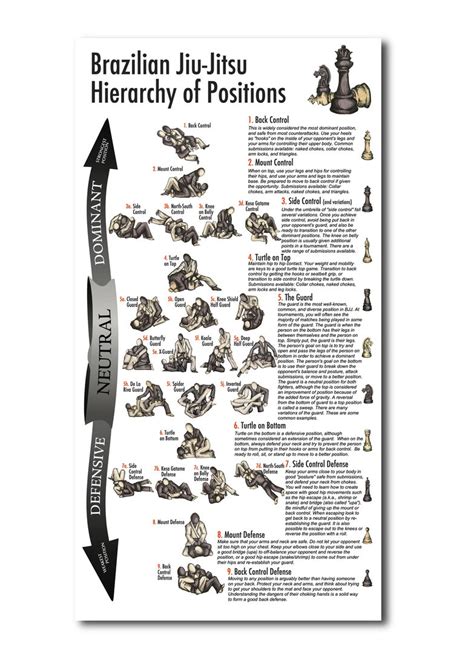
In Brazilian Jiu-Jitsu (BJJ), understanding "positions" is key. The sport has a hierarchy of BJJ positions, from top spots like the back mount to bottom spots like the closed guard. The top player in BJJ aims to keep control and move to stronger positions. The bottom player tries to sweep, submit, or escape to a better spot. As a beginner in Brazilian Jiu-Jitsu (BJJ), it’s key to learn the basic techniques and submissions. You’ll start with the armbar, triangle choke, and kimura. You’ll also learn various chokes like the rear-naked choke and guillotine choke. Learning these BJJ submissions for beginners and basic chokes in Brazilian Jiu Jitsu lays a strong base for your BJJ skills.
Practicing Brazilian Jiu-Jitsu (BJJ) is more than just learning moves and sparring. It’s about being respectful and humble, and following certain etiquette rules. Call your instructor “professor,” even if they’re not a black belt. This shows you respect their knowledge and role in BJJ. Also, keep your BJJ gi and gear clean and in good shape. Be careful not to be too aggressive or risky in sparring. Always respect when your partner taps, meaning they’ve had enough. Also, be open to learning from anyone, no matter their rank or experience.
Starting your journey in Brazilian Jiu-Jitsu (BJJ) is exciting and tough. As a beginner, focus on preventing injuries and setting realistic goals. Keeping safe from injuries is crucial in the first few months of BJJ training. Start by listening to your body and not pushing too hard. Always warm up well and focus on proper technique to lower the chance of joint injuries. Using protective gear like a mouthguard and athletic tape can also help with minor injuries. When starting Brazilian Jiu-Jitsu, it’s key to manage your expectations and enjoy the learning process. Remember, regular training is more important than how hard you train. Approach each class with an open mind, ready to make mistakes, and a commitment to getting better.
Read also: Benefits of Jiu Jitsu
FAQ About Brazilian Jiu-Jitsu
Here are some frequently asked questions about BJJ:
| Question | Answer |
|---|---|
| What is Brazilian Jiu-Jitsu (BJJ)? | Brazilian Jiu-Jitsu (BJJ) is a martial art that focuses on ground fighting and submissions. It started in Brazil in the early 1900s. Now, it’s a top martial art worldwide. |
| What are the benefits of training Brazilian Jiu-Jitsu? | Training in BJJ boosts your heart health, muscle strength, and flexibility. It also sharpens your mind, teaches discipline, and improves problem-solving skills. Plus, it builds confidence and self-defense skills. |
| How do I find the right Brazilian Jiu-Jitsu gym? | Look for a BJJ gym in a good location and check its quality. Read reviews from students and visit the gym to see the training and meet the instructors. |
| What can I expect during my first Brazilian Jiu-Jitsu class? | Your first class will start with a warm-up. Then, the instructor will teach you some techniques. After that, you’ll practice these techniques in live sparring, or “rolling.” |
| What kind of gear and equipment do I need for Brazilian Jiu-Jitsu? | For Gi training, you need a BJJ Gi, a belt, and maybe a rashguard. For No-Gi, you’ll need a rashguard, shorts, and possibly wrestling shoes. Keep your gear clean and in good shape. |
| How much does it cost to train Brazilian Jiu-Jitsu? | Training in BJJ costs about $100 to $200 a month on average. This usually includes unlimited group classes. But, you might pay extra for private lessons, seminars, or special events. |
| How does the Brazilian Jiu-Jitsu belt system work? | The BJJ belt system ranks practitioners by skill level. The belts go from white to black, with each level taking years to achieve. This system shows your progress and skill. |
| What are the fundamental positions and guards in Brazilian Jiu-Jitsu? | BJJ has different positions, from dominant ones like the back mount to defensive ones like the closed guard. Learning various guards is key to improving your skills. |
| What are some of the basic submissions and chokes in Brazilian Jiu-Jitsu? | Beginners learn submissions like the armbar and triangle choke. They also learn chokes that cut off blood or air flow, making the opponent pass out. |
| What is the etiquette and attitude expected on the Brazilian Jiu-Jitsu mats? | Respect and humility are key in BJJ. Call black belt instructors “professor.” Keep clean, and don’t be overly aggressive or dangerous. These rules help create a positive training space. |
| How can I prevent injuries as a beginner in Brazilian Jiu-Jitsu? | To avoid injuries, listen to your body and start slowly. Use protective gear when needed. Warm up, stay hydrated, and rest to stay healthy and injury-free. |
| What should I expect as a beginner in Brazilian Jiu-Jitsu? | As a beginner, expect to learn a lot and face challenges. It’s normal to feel overwhelmed. |