Wrestling combines strength, agility, and technique to create an adrenaline-pumping sport for athletes and spectators alike. However, like any other contact sport, wrestling comes with the risk of injury. Whether you're a seasoned athlete or just beginning your wrestling journey, understanding common wrestling injuries and how to prevent them is vital for maintaining peak performance and long-term health.

Here are some of the most common wrestling injuries to be aware of and the steps you can take to avoid them:
1. Sprains & Strains
Wrestling is a physically demanding sport, with intense physical exertion and dynamic movements that can easily lead to sprains and strains. A sprain is an injury to the ligaments, the tough bands of tissue that connect bones and stabilize joints, typically caused by an awkward twist or impact. A strain, on the other hand, affects muscles or tendons and often results from overstretching.
The areas most prone to sprains and strains in wrestlers include the ankles, knees, and shoulder, and wrestlers may experience symptoms such as swelling, bruising, and pain in the affected area, often accompanied by reduced mobility and stiffness. Recognizing these signs early can help athletes get the prompt treatment they need, allowing them to return to the mat with confidence.
2. Concussions
Concussions, a type of traumatic brain injury, are serious injuries that are common in many contact sports, including wrestling. When a wrestler experiences a direct blow to the head, the brain may shift inside the skull, causing bruising, swelling, and other symptoms that can affect physical and cognitive abilities.
Read also: Famous All-American Wrestlers
Common signs and symptoms may include a headache, dizziness, confusion, memory loss, or balance issues. Some may even experience nausea, sensitivity to light or noise, or feeling foggy or sluggish. Recognizing these symptoms quickly is vital, as continuing to wrestle post-injury can exacerbate the condition.
WWE Wrestlers Who Broke Character To Check on Their Injured Opponent
Concussions should never be taken lightly. If you suspect that someone may have suffered a concussion, seek medical attention immediately. Because a concussion is such a serious injury, coaches, parents, and teammates should be alert and educated about the signs and symptoms.
The long-term impact of a concussion can vary, but often, wrestlers who have sustained one may experience a higher risk of further concussions and other neurological issues. Recovery involves rest and a gradual reintroduction to physical and academic activities guided by a healthcare professional.
There is a range of symptoms associated with concussion, and they can be observed anywhere from immediately following a head injury to hours or even days later. Knowing these signs and symptoms is crucial. Coaches especially are in the position to advocate for their athletes’ safety.
Both parents and coaches should speak with youth wrestlers about the signs and symptoms of a concussion, as well as the importance of letting an adult know if they experience any of these symptoms. After all, half of high school athletes who experience a concussion do not report their symptoms, according to USA Wrestling.
Read also: High School Wrestling Rankings
It’s also important that coaches and players are aware that loss of consciousness likely won’t happen following a concussion. If you think your child or athlete has experienced a concussion, they should be removed from play immediately and not returned until receiving clearance from a health care provider.
Athletes thought to have sustained a concussion should not be allowed to return to activity on the same day as the injury, per USA Wrestling’s standards. Wrestlers should not be returned to play until a written release is received from a physician or athletic trainer, according to USA Wrestling.
If an athlete is diagnosed with a concussion, they should rest. This means limiting any physically or mentally straining activities (such as studying and playing video games) for 10 days, according to USA Wrestling. Most concussions will resolve themselves in a period of seven to 10 days, Healthline notes. Studying and other activities that require mental focus can be difficult for children recovering from a concussion.
3. Shoulder Injuries
The shoulder is susceptible to a range of injuries, including dislocations and rotator cuff tears. These injuries often occur due to the high-impact nature of wrestling, where athletes engage in forceful throws, holds, and stances that exert significant pressure on the shoulder joint.
Dislocations occur when the humerus, or upper arm bone, is forced out of the shoulder socket, typically from a fall or a sudden, powerful impact. Wrestlers are prone to dislocations during takedowns or when they land awkwardly on an outstretched arm. Symptoms include intense pain, an inability to move the shoulder, visible deformity, and swelling.
Rotator Cuff Tears involve damage to the group of muscles and tendons that stabilize the shoulder joint. These tears can result from repetitive overhead movements or acute injuries during grappling or resisting an opponent's hold. Symptoms include a dull ache deep in the shoulder, weakness, difficulty lifting the arm, and limited range of motion.
Impact with the mat, restrictive holds, and twists of the arms and torso all may cause dislocation of the shoulder to occur during wrestling. To prevent dislocations from occurring, flexibility and strength training are necessary.
4. Knee Injuries
Knee injuries are prevalent in wrestling due to the explosive maneuvers and rapid directional changes involved in the sport. Among the most common knee injuries are ACL tears and meniscus injuries, both of which can have significant impacts on an athlete's performance and overall mobility.
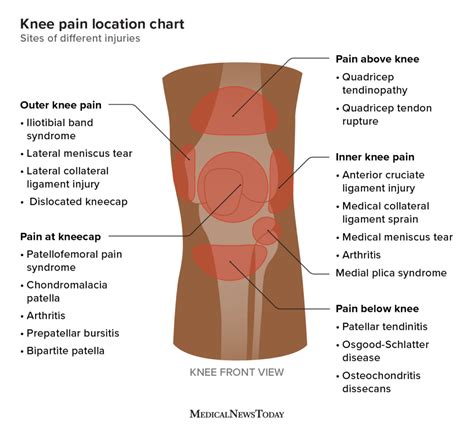
ACL Tears happen when the anterior cruciate ligament (ACL), which is crucial for stabilizing the knee during movements like pivoting or cutting, is stretched or torn. In wrestling, sudden stops, changes in direction, or missteps can lead to an ACL tear. This injury may cause a loud popping sound, followed by intense pain, swelling, instability, and difficulty bearing weight on the affected leg.
Meniscus Injuries occur when the meniscus, the C-shaped cartilage that cushions and stabilizes the knee joint, is damaged or torn. These injuries often result from sudden twists or pivots, causing sharp pain, swelling, stiffness, and a feeling of locking or catching in the knee.
The physical stress of wrestling, along with the frequent tendency of wrestlers to bend their bodies into abnormal positions, makes sprains and tears of the ligaments of the knee a serious and persistent risk. To prevent knee ligament injuries, it is recommended that wrestlers participate in targeted strength-training exercises to increase the durability of ligaments and other connective tissues.
When trauma, gradual wear, or overuse cause the bursa sac in the front of the patella (kneecap) to swell, a condition known as prepatellar bursitis can occur. To prevent the onset of prepatellar bursitis, it is recommended that wrestlers use knee pads to absorb impact to the front of the patella.
5. Skin Infections
Skin infections are a frequent concern for young athletes involved in contact sports like wrestling, where close physical contact and shared equipment are common. These infections can be particularly prevalent in high school wrestling, where athletes may have limited access to hygiene facilities.
Ringworm is a fungal infection that appears as a red, circular rash on the skin. Wrestlers can contract ringworms through direct skin-to-skin contact with an infected opponent or contaminated surfaces. The infection typically causes itching, scaling, and a distinct ring-shaped rash.
Impetigo is a bacterial skin infection characterized by red sores that quickly burst and develop honey-colored crusts. This infection can occur when bacteria enter cuts, scrapes, or abrasions common in wrestling. Wrestlers with impetigo experience itching and discomfort, and swift treatment is necessary to prevent spreading.
MRSA (methicillin-resistant Staphylococcus aureus) is a type of staph infection that is resistant to many antibiotics, making it challenging to treat. Wrestlers can contract MRSA through skin contact with an infected person or contaminated surfaces, and symptoms include redness, swelling, and pus-filled abscesses. Prompt medical attention is crucial for preventing serious complications from this infection.
Injuries from wrestling, such as cuts or scrapes, can provide openings for these infections. Young wrestlers should be aware of them as they grapple and roll on mats that might harbor pathogens.
Wrestlers, their coaches and their families should be well-versed in best practices for preventing common injuries. The most common injuries in wrestling affect the head, face and knee, according to the American Orthopaedic Society for Sports Medicine (AOSSM). Skin infections are also common in wrestlers.
In a country, infection prevention is critical. Ringworm, and impetigo can be treated with antibiotics or antibiotic creams. To minimize the risk of infection, proper care can be started early. If a wrestler gets an infection, it can keep him out of a match so coaches, and trainers should ensure that proper hygiene practices are followed, including cleaning mats, uniforms, headgear, and pads.
6. Elbow Injuries
Elbow injuries are a common challenge in wrestling. These injuries often occur when a wrestler extends or twists their arm awkwardly during a match, placing significant stress on the elbow joint.
Hyperextension Injuries happen when the elbow is bent beyond its normal range of motion, usually during a fall or when trying to break a fall with an outstretched hand. Wrestlers may experience immediate pain, swelling, and difficulty extending the arm fully.
Tendonitis, often called 'tennis elbow,' can develop from repetitive movements or strikes, causing inflammation and pain on the outer part of the elbow. Wrestlers dealing with tendonitis might notice a dull ache, tenderness, and increased discomfort when gripping objects.
Dislocations happen when the bones of the elbow are forced out of their normal alignment, often from a direct blow or fall. Symptoms include visible deformity, intense pain, and an inability to move the joint. Immediate medical attention is needed to address dislocations properly.
7. Back Injuries
Back injuries are also common in wrestling due to the sport’s intense physical demands and the constant grappling, lifting, and forceful maneuvers involved. Wrestlers often face a variety of back injuries, which can affect their mobility and performance.
Muscle Strains & Sprains often result from overexertion or sudden, awkward movements during matches. Lifting opponents or twisting quickly can lead to tears or overstretching of the muscles and ligaments in the back. Symptoms may include sharp pain, muscle spasms, and stiffness that limit movement.
Herniated Discs occur when the cushion-like discs between the vertebrae are pushed out of their normal position. This can happen due to intense pressure on the spine during wrestling takedowns or repetitive flexing and bending. Wrestlers may feel back pain that radiates to the legs, numbness, or weakness.
Spondylolysis, a stress fracture in one of the vertebrae, is commonly found in young athletes. In wrestling, this can develop over time due to constant hyperextension and stress on the lower back. Signs include back pain that worsens with exercise, stiffness, and occasionally leg pain.
8. Cauliflower Ear
Cauliflower ear is a condition that often affects wrestlers due to repetitive trauma or friction to the outer ear during matches. It develops when the ear suffers a blow or repeated friction, causing blood to pool between the skin and the cartilage. This disruption prevents nutrients from reaching the cartilage, leading to tissue death and the familiar bumpy, misshapen appearance of a 'cauliflower ear.'
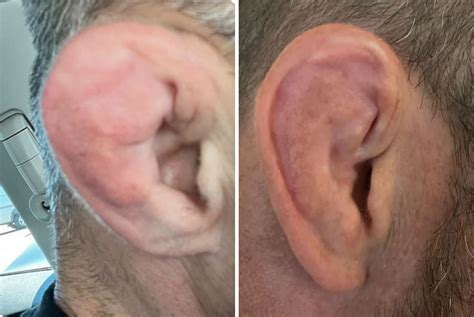
Common signs and symptoms include swelling, bruising, and deformity of the ear. The ear may feel tender or painful initially, and if left untreated, the cartilage hardens over time, resulting in a permanent, cauliflower-like shape. Prompt medical attention can prevent permanent changes. Draining the accumulated fluid and applying a pressure dressing can help the ear maintain its natural shape.
Injury Prevention Tips
A proactive approach to injury prevention is essential for wrestlers of all levels. Sports medicine experts recommend these key strategies to stay healthy and reduce the risk of injury:
- Proper Warm-Up & Stretching: Warm-ups are a crucial part of any sport or exercise routine. A good warm-up boosts blood flow and prepares muscles and joints for the physical demands of wrestling. Dynamic stretching techniques, like leg swings and arm circles, can help enhance flexibility and reduce an athlete's risk of injury.
- Protective Gear: Wearing the right protective gear is critical for preventing wrestling injuries. Headgear helps prevent concussions and cauliflower ear, while knee pads protect against impacts and strains. Ensure that gear is fitted correctly and regularly maintained.
- Technique & Form: Learning correct techniques and consistently practicing proper form can help prevent serious injury. Coaches should emphasize safe and effective techniques and discourage risky or reckless maneuvers.
- Strength & Conditioning: Strength training plays a significant role in preventing wrestling-related injuries. Incorporate exercises like squats, lunges, and core strengthening into your routine to improve muscular endurance and flexibility.
- Good Hygiene Practices: Maintaining hygiene is key to preventing skin infections. Wrestlers should shower immediately after practice, regularly wash their gear, and ensure mats are cleaned frequently to minimize infection risks.
- Adequate Rest & Recovery: Rest is crucial for preventing overuse injuries, not just treating them. Wrestlers should listen to their bodies and allow time for recovery, watching for signs like persistent pain or fatigue, which indicate a need for rest.
No conclusive research has been done that suggests certain helmets, headgear or mouthguards perform better than others in terms of concussion prevention, according to USA Wrestling.
Wrestling is a physically demanding sport that can lead to a number of different injuries, yet with the right knowledge and prevention strategies, athletes can maintain their performance and reduce risks.
Wrestlers, their coaches and their families should be well-versed in best practices for preventing common injuries. The most common injuries in wrestling affect the head, face and knee, according to the American Orthopaedic Society for Sports Medicine (AOSSM). Skin infections are also common in wrestlers.
The level of awareness regarding orthopaedic wrestling injuries is relatively low considering the high number of injuries that these athletes suffer. Issues such as concussion and severe blood accumulations in the ear (cauliflower ear) are commonly associated with wrestling. These injuries are indeed serious concerns, but far from the only ones.
Wrestlers' bodies are constantly contorting in ways they don't naturally move. Their feet keep them upright, with the ankle stabilizing them. So it's common for the ankle to give way and twist, causing an injury. A sprain means there is damage to the soft tissue, or the ligaments, around the ankle. The first sign of a sprain will be swelling, while a more serious sprain will produce bruising. Control the swelling with ice, rest and elevation.
Physical preparation in wrestling requires a comprehensive approach: strength training, cardio workouts, stretching, and recovery-all these aspects help a wrestler be ready for tough fights. Wrestlers’ training is not just a set of exercises but also working with their own bodies to use their strength as efficiently as possible and avoid injuries.
Table 1: Estimated ED Visits for Wrestling-Related Injuries by Age and Gender (2000-2006)
| Age Group | Male | Female | Total |
|---|---|---|---|
| 7-11 years | 5,075 | 928 | 6,003 |
| 12-17 years | 167,606 | N/A | 167,606 |