Brazilian Jiu Jitsu (BJJ) is continuously evolving. With that evolution comes important updates from the International Brazilian Jiu-Jitsu Federation (IBJJF) - the sport’s most prominent governing body.
If you're planning to compete in a Jiu Jitsu tournament ran by the IBJJF (International Brazilian Jiu-Jitsu Federation), you'll need a competition uniform that meets their strict requirements. For practitioners and competitors in No-Gi BJJ, staying compliant with the IBJJF 2025 No-Gi uniform rules is not only essential for eligibility.
This article explains the 2025 IBJJF No Gi uniform rules in simple terms. This comprehensive guide will break down everything you need to know about IBJJF’s 2025 No-Gi uniform regulations, from rash guard requirements to shorts, ranking colors, sponsorship placements and more.
It doesn't matter if you are a seasoned grappler or a white belt looking to compete for the first time. Are you ready to step onto the No Gi BJJ mat without worrying about your uniform?
Before diving into the rules, let's quickly define No-Gi BJJ.
Read also: IBJJF Legal Submission Guide
What is No-Gi Brazilian Jiu-Jitsu?
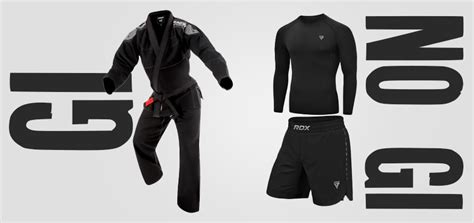
No Gi Brazilian Jiu-Jitsu is different from Gi BJJ. In No Gi, you don’t wear a traditional kimono. Instead, No-Gi Brazilian Jiu Jitsu involves grappling without the Gi. Competitors wear more form-fitting athletic apparel-typically rash guards and shorts.
The IBJJF, the largest BJJ governing body, makes rules to keep competitions fair and safe. These rules stop athletes from gaining an unfair advantage.
The IBJJF sets strict guidelines to create uniformity, professionalism, and fairness in BJJ competitions. Violating IBJJF uniform rules can lead to disqualification or being barred from competing, even if you made weight and trained for months.
IBJJF is well-known for its strict Gi rule set. Athletes comply with these IBJJF rules without fail.
The jiu jitsu season is often referred to as a two sided schedule, the first semester (January to June) belonging to the gi, and the second (July to December) being owned by no-gi. The reason why the sport is looked at this way is down to the IBJJF and UAEJJF calendars, where the top gi tournaments (European Open, Pan Ams, Abu Dhabi World Pro, Brazilian Nationals and World Championship happen in those first 6 months, while the No-Gi Pan American, Brasileiro Sem Quimono (No-Gi Brazilian Nationals) and No-Gi Worlds all take place during the second.
Read also: Comprehensive Rash Guard Guide
In 2025, the IBJJF has specific guidelines for No Gi uniforms.
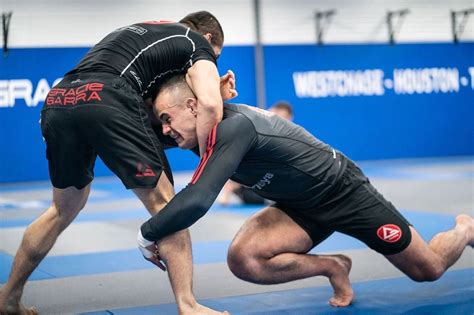
PLEASE NOTE: It is mandatory that all athletes wear undergarments (underwear) - this is valid for both Gi and No-Gi events. The undergarment should be “brief-type” only (boxer briefs also allowed).
Rash Guard Requirements
Rash guards are a big part of your No Gi uniform. They replace the Gi top. The IBJJF has clear rules for rash guards. These rules cover material, colors, and sleeves.
Your rash guard must be skin-tight. It should be made of stretchy, elastic material. This prevents opponents from grabbing loose fabric. The rash guard needs to cover your entire torso. It must reach the waistband of your shorts. Loose or baggy rash guards are not allowed.
Shirt of elastic fabric (rashguard) at a length that covers the shorts’ waistband, of black, white or black with white color, and displaying at least 10% of the color of the rank (belt) to which the athlete belongs.
Read also: Enhance Your Jiu-Jitsu
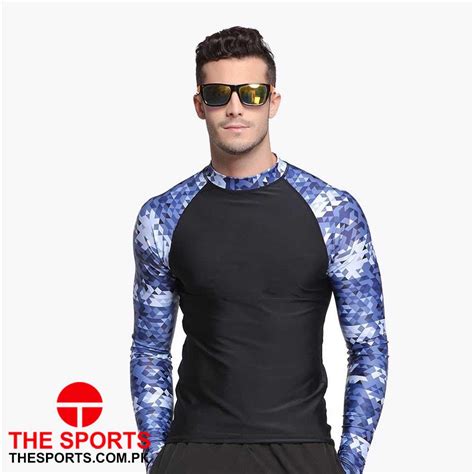
If you're planning to compete in an IBJJF (International Brazilian Jiu-Jitsu Federation) tournament, ensuring your gear meets their uniform regulations is crucial. Your rash guard must display at least 10% of your belt rank color.
The IBJJF has strict rules about rash guard colors for No Gi competitions. These rules make sure your rank is clear and the uniform looks professional. They also keep the competition fair. Bright or neon colors are not allowed.
A 2025 guide from BuyBJJ states that blue, purple, brown, and black belts need at least 50% of their rank color.
Note: For black belts a small red area will be tolerated, but must not decharacterize the athlete’s rank color.
Black belts have a unique rule. They can include a small red area on their rash guard. However, this red area must not make the rash guard look like a different rank. Too much red could confuse referees, so it should be minimal.
You can add logos and sponsor designs to your rash guard. These designs must not cover more than 50% of the rash guard’s surface. This ensures the base color (black, white, or black and white) and your rank color remain visible. For example, a large sponsor logo can’t hide the blue color on a blue belt’s rash guard.
Sleeve Options: You can choose between short or long sleeves. Both are allowed in 2025. This gives you flexibility based on comfort or weather. However, sleeveless rash guards are not permitted. The IBJJF bans them to keep uniforms consistent and safe.
Pro tip: Purple can be tricky. Many shades look different depending on lighting.
Sleeve Length: Both short- and long-sleeve rash guards are permitted.
Branding: Large logos or designs covering most of the rash guard are not allowed.
💡 Want one that’s already compliant?
Want to compete stress-free?
Remember to select the rash guard color that matches your belt rank, and either black or white shorts!
Shorts and Pants
Shorts and pants are just as important as rash guards. The IBJJF has specific rules for men and women.
Board shorts colored black, white, black and white, and/or the color of the rank (belt) to which the athlete belongs, without pockets or with the pockets stitched completely shut, without buttons, exposed drawstrings, zippers or any form of plastic or metal that could present a risk to the opponent, long enough to cover at least halfway down the thigh, and no longer than the knee. Also permitted are compression shorts made of elastic material (skin tight) worn beneath the shorts, in the colors black, white, black and white, and/or the color of the rank (belt) to which the athlete belongs.
Shorts, compression pants (skin-tight spats) and/or compression shorts colored black, white, black and white, and/or the color of the rank (belt) to which the athlete belongs.
Women are allowed to compete in either shorts, or just in compression shorts or spats.
Here is the summary of requirements:
| Category | Requirements |
|---|---|
| Rash Guard | Skin-tight, covers torso, black/white/black and white, at least 10% rank color |
| Shorts (Men) | Board shorts, black/white/black and white/rank color, no pockets/zippers/fasteners |
| Shorts/Pants (Women) | Board shorts, compression shorts, or spats, black/white/black and white/rank color |
Other Rules and Banned Items
Beyond rash guards and shorts, the IBJJF has other rules. These cover undergarments and banned items. All competitors must wear brief-type undergarments. This rule applies to both men and women. Not following it can lead to disqualification. The IBJJF Rule Book states this is a safety and hygiene requirement (Article 6.3.2).
Other banned items include Gi tops, loose shorts, and neon colors. Flashy colors can distract or look unprofessional. Misrepresenting your rank with patches or colors is also not allowed.
Uniform Inspection
The IBJJF checks uniforms during weigh-ins. Inspectors look at your rash guard, shorts, and undergarments. If anything doesn’t meet the rules, you could be disqualified. Many competitors bring backup gear to avoid this. For example, if your rash guard is too loose, you’ll need a replacement. Common issues include wrong colors, loose fits, or unstitched pockets.
All the above criteria can be daunting. However, it is of the utmost importance to be mindful of these requirements before buying a traditional Gi for IBJJF competitions. It can be a tough decision.
Getting Compliant Gear
Getting the right gear is easy with BuyBJJ. we offer rash guards and shorts that meet IBJJF 2025 rules. our products are designed for No Gi competitions.
Looking for IBJJF-compliant No-Gi gear?
IBJJF No Gi rules require a skin-tight rash guard in black, white, or black and white, with at least 10% showing your belt rank color (e.g., blue for blue belts). Men must wear board-style shorts, and women can choose board shorts, compression shorts, or solid-color spats, all in black, white, black and white, or rank color. No pockets, zippers, or metal/plastic fasteners are allowed.
The Importance of Following the Rules
The IBJJF rules aren’t just for looks. They keep competitions fair and safe. A skin-tight rash guard stops opponents from grabbing fabric. Board shorts without zippers prevent injuries. Rank colors help referees identify your belt level quickly. This can ruin your tournament experience. In 2023, a Reddit thread noted that 15% of competitors faced uniform issues at major IBJJF events. Preparing with the right gear avoids this stress.
Tips for Preparing Your Gear
Preparing for an IBJJF No Gi competition is easier with the right steps:
- Check Gear Early: Weeks before the event, inspect your rash guard and shorts. Ensure the rash guard is skin-tight, covers the torso, and has 10% belt rank color (e.g., purple for purple belts). Shorts must be board-style for men or approved styles for women, in black, white, black and white, or rank color, with no pockets or zippers.
- Bring Backup Gear: Pack extra rash guards and shorts. Inspections during weigh-ins are strict, and non-compliant gear can lead to disqualification (IBJJF Rule Book, Article 6.3.2).
- Read the IBJJF Rule Book: Visit ibjjf.com for the 2025 Rule Book. It details rules like brief-type undergarments and banned neon colors.
- Ask Your Coach or Teammates: Get advice from your gym.
- Test Gear in Training: Wear your uniform during practice. Confirm the rash guard stays tight and shorts don’t slip. Ensure logos cover less than 50% of the surface.
The IBJJF No Gi uniform rules for 2025 are clear but strict. Rash guards must be skin-tight, cover the torso, and show your rank color. Shorts need to be board-style or spats, with no pockets or zippers. Colors must be black, white, black and white, or rank-specific. BuyBJJ makes it easy to find compliant gear. Following these rules keeps you safe and avoids disqualification. Don’t let a uniform mistake stop you from shining.
Quick IBJJF rules walkthrough
No Gi Brazilian Jiu Jitsu is not just a martial art. it is a sport. And like all professional sports, showing up with the right gear says you are serious.
No-Gi BJJ is continuously growing and becoming a vital part of Brazilian Jiu Jitsu competition. So, understanding and respecting the IBJJF 2025 No-Gi uniform rules is non-negotiable. It does not matter whether you train casually or aim to dominate the podium.
So again, we do our absolute best to make our IBJJF legal gear with all requirements in mind, but I would highly recommend bringing a backup.
Before we go any further, I want to drive home the number one rule of competing at an IBJJF event: always bring a backup uniform of a different style.
IBJJF uniform inspectors have a hard job, and the results of their assessments can be... well, subjective. For example technically our Aeroweave Gi is no longer IBJJF legal because it's too light, but I still see people competing in it all the time. And on the other side of things, I've seen uniforms rejected that sure look to me like they meet all IBJJF requirements.