A commonly overlooked aspect of martial arts training is weight training. It is assumed by many that lifting weights will make one too bulky, decrease flexibility and speed, while overall just bringing the skills of the martial artist down. This common misconception can actually cause the opposite problem by weakening the martial artist’s strength, hurting their speed and cardio, while also lowering muscular growth and athletic gains.
Combining new approaches with your weight training can be the key to achieving exceptional results. An effective and dynamic way to reach these goals is by integrating martial arts training into your routine. In this post, we'll explore how techniques and concepts from martial arts can be applied in strength training to increase your muscular power, endurance, and effectively define your body.
Why Combine Martial Arts Techniques into Your Weight Training
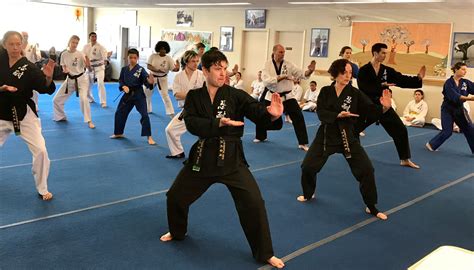
Martial arts offer a variety of techniques and principles that can be adapted to strength training. Movements such as punches, kicks, evasions, and blocks require not only strength but also coordination, balance, and endurance. By incorporating these specific movements into a weightlifting program, you can create a dynamic and challenging approach to training that not only increases muscle strength but also enhances overall body functionality.
Maximize Your Weight Training with Martial Arts Techniques
When it comes to strength training, martial arts offer a variety of techniques and movements, such as punches, kicks, evasions, and blocks, that also require speed, endurance, and impact. By integrating these specific movements into your weight training program, you can create a dynamic and challenging approach to training that not only increases muscle strength but also enhances overall body functionality. Try including punches and kicks with weights, dynamic squats inspired by evasions, and lunges that mimic attack and defense movements.
Martial arts training is gaining momentum, with the number of practitioners growing faster than ever. Apart from gaining physical strength through punches and kicks, martial arts training is extremely important for your heart. People who have regular sparring sessions or competitive matches develop the ability to block and evade opponent strikes as quickly as possible.
Read also: Individual Martial Arts Instruction
Martial arts training is known for improving the flexibility and balance of the body, which is great, especially for people who are clumsy and fall a lot. A notable feature of martial arts is that its benefits extend beyond physical fitness. Since these sessions include a combination of cardiovascular exercise and strength training, they help people burn calories, increase metabolism, and build lean muscle mass.
Martial arts training is more than just a workout or sport; it’s a way to improve yourself, leading to a healthier, stronger, and more confident life. So, this month, why not boost your health by adding martial arts to your routine? Reach out to United Makaty. Our experienced instructors will help you improve your inner strength and agility.
Strength training conditions the body to be able to perform martial arts techniques with greater intensity and for longer periods of time. ONE athletes typically compete in bouts that last three to five rounds. To make it through these rounds with the necessary speed, agility, and power, strength training plays a key role. Strength training bolsters the muscles used in martial arts techniques and increases the power behind punches, kicks, and other moves. Take a fighter like 17-time BJJ World Champion Marcus “Buchecha” Almeida, for instance, who has demonstrated the power of strength training by consistently finishing his opponents within the first round.
Whether you’re looking to gain the upper hand in a submission grappling match or honing your skills for a kickboxing bout, having the ability to control your body and its movements is paramount. Strength training protects muscles, tendons, and ligaments used in martial arts, and this can help prevent injuries. The amount of force placed on the joint is reduced by strengthening these key components, making it less likely to be injured during daily training and, eventually, a fight. In addition, improved muscular strength allows for increased elasticity, as stronger muscles are able to stretch further. An athlete like ONE Light Heavyweight and Interim Heavyweight World Champion Anatoly Malykhin is renowned for his impressive muscles.
Strength Training For Karate
MMA Training: A Full-Body Transformation
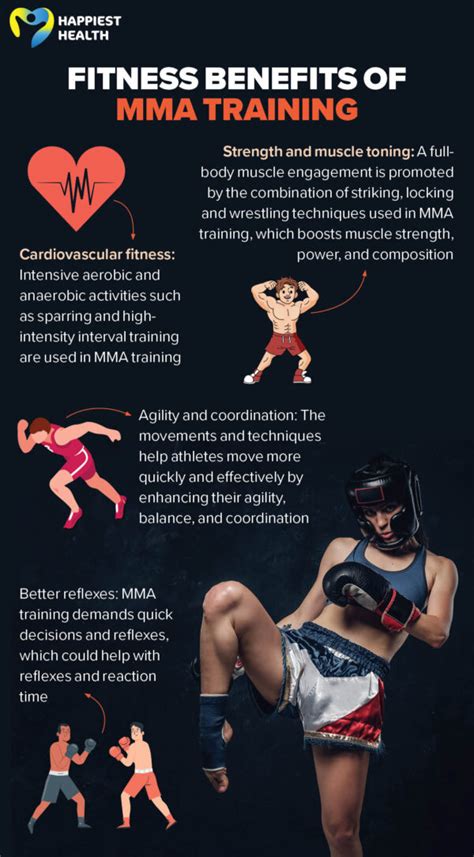
Like any other combat sport, Mixed Martial Arts is a full-body workout that changes your fitness. This is different from the old gym routines that feature specific exercises for various muscle groups. Using MMA training, the individual can simultaneously challenge all domains of strength: muscular, endurance, flexibility, and mental). MMA leads both worlds of the spectrum: a beginner finds fun and motivation from learning new techniques or sparring rather than just lifting boring weights; an advanced athlete finds a challenge unlike anything else at peak physical conditioning.
Read also: The Jade Fortress Martial Arts System
Every exercise done in MMA training engages every muscle in the body. From striking, punches, and grappling techniques to takedowns and submissions, every session engages various muscle groups at the same time. This means that the workout becomes an all-over workout, the workout for the total strength and toning of your muscles. Unlike lifting weights in the gym, which isolates particular muscles, MMA training gives your body a better way of functioning as an integrated unit and promotes better coordination and athleticism. The dynamic nature of MMA workouts removes the opportunity for muscle imbalances and ensures even muscle strength development.
MMA gives high intensity in cardio workouts; it gets your heart going at levels that would be considered new for you. The sparring, pad work and high-intensity drills of the sport require movement throughout the activity, which makes it a good simulation and representation of endurance in actual fight scenarios. Unlike steady-state running, MMA consists of explosive bursts followed by short recovery, simulating the benefits of high-intensity interval training (HIIT). It helps your heart health, increases metabolism, and increases stamina. What they are best known for is being able to fight for several rounds at their peak.
One of the best methods of training for body fat loss is MMA. Each high-intensity bout depletes 600-1,000 calories from the system in just 60 minutes. The mix of high-intensity cardio, resistance, and plyometric work ensures maximum simultaneous transient calorie burning and afterburn-elevation of metabolism for hours after the training. Therefore, real fat is lost due to metabolism in the hours following training.
Strength and power are the pillars of the entire MMA training setup. Explosive power is developed through striking techniques like punch, kick, and knee, whereas grappling moves develop overall strength. MMA strength training focuses on functional strength rather than the purely aesthetic style of bodybuilding.
The dynamic nature of MMA training involves diverse movement patterns that encourage flexibility and mobility. While certain kinds of weight training can occasionally diminish joint range of motion, MMA employs movement patterns that encourage flexibility and joint-range motion. Stretching protocols, yoga-like warm-ups, and grappling sessions all serve to promote flexibility. Greater levels of mobility will not only help facilitate the doing of MMA techniques well but will also complement one’s performance in just about every other sport and normal lifestyle chore.
Read also: Deep Dive into Court Martial Films
MMA training is one of the healthiest and most enjoyable ways to achieve peak fitness. Full-body workouts for cardiovascular endurance, fat loss, strength gain, and flexibility are paramount to building mental grit. MMA will not bore you with dumb sets and dirty magazines; it will be just exciting, thrilling, and rewarding. Want to lose, bulk up, or just stay fit? The Octagon MMA training will take care of everything! And I am not just talking about your physical development; you will also become confident, disciplined, and able to defend yourself. Quite a stunning all-around growth deal, don’t you think?
Weight Lifting Methodologies for Martial Artists
The issue in weight lifting is not the weight training itself but, rather… HOW are you training? Consider important questions such as: WHAT is your goal? WHAT are you training for? HOW are you accomplishing those goals? WHAT steps are you taking to achieve them? Weight lifting as a whole has a variety of different end goals. Your goal will dictate the focus of your weight training.
How will weight training help me as a martial artist?
The goal of the martial artist should be to lift weights for athletic gains, in the same way a professional athlete weight trains. The exercise routine should be formulated to not only promote muscle growth but fast twitch muscle fibers for explosive movements, as well as endurance and strength. By lifting weights, a martial artist is building a strong muscular and physical base, in order to perform technique more efficiently and in the most optimal way. Hee Il Cho, a famous Taekwondo master stated, “Weight lifting can help athletes in any sport, including the martial arts. The more strength and size you have, the better you will perform. If two people weigh the same, the one with more muscle can hit harder.”
Different Types and Methodologies of Weight Lifting
BODYBUILDING involves workouts that are constructed to reach an aesthetic goal, not to perform an athletic task. Lifting is done for size and appearance, with isolation based training to target specific locations on the body. Not to produce functional muscles for athletic tasks. For an efficiency in martial arts, body building is not optimal training.
The same for POWERLIFTING, which has a goal of pure strength and mass, in order to support the body when lifting extremely heavy weight. While strength is important for martial arts, powerlifting involves slow, heavy lifts but, decreases the individuals speed, endurance and overall athletic ability, outside of completing heavy weight lifting tasks.
In FITNESS LIFTING, there is no real goal in mind other than working out to stay healthy. However, with no real goal in mind, this does nothing for a martial artist other than maintaining basic health and wellness. It will not help in increasing strength, speed, endurance or any athletic needs in the martial arts.
OLYMPIC LIFTING will help build power and strength, through explosive exercises and learning how to produce force quickly. The exercises in Olympic lifting are extremely functional for athletic training, building a strong base for strength and fundamental athletic movements. Most exercises in Olympic lifts require full range of motion and use of the joints in a small space, not only building strength and conditioning but, muscle control and good technique.
While HIIT (High Intensity Interval Training) training focuses on intervals of exercising in small bursts of time periods. HIIT is meant to build endurance, conditioning, stamina, cardio and burn fat, rather than strength like Olympic Lifting. The HIIT mythology relies on using intervals of exercises and performing them to either failure or until time runs out, building up the strength of your heart, lungs and muscular conditioning.
Recommended Weight Lifting Routines for Martial Artists
One of the best methods recommended for martial artists to train under is OLYMPIC LIFTING, HIIT or a combination of both. Through Olympic lifting a martial artist can build strong, functional power through athletic exercises. Olympic lifting will provide the ability to explode quickly and powerfully, without losing speed or strength. HIIT training provides the ability to perform draining tasks, while maintaining muscular endurance even when tired. These methods allow for the optimal preparation needed for a long drawn out fight or combat situation.
It is also important to find the right program for your schedule and personal needs. Make goals, follow that plan and stick with it. You’ll be surprised at how much you will improve in the dojo or on the mat, once you’ve begun a consistent weight lifting program. So what are you waiting for, get started today!
| Weight Lifting Methodology | Description | Benefits for Martial Artists |
|---|---|---|
| Bodybuilding | Workouts focused on aesthetic goals and muscle size. | Not optimal for martial arts due to lack of functional strength. |
| Powerlifting | Training for pure strength and mass to lift heavy weights. | May decrease speed and endurance, not ideal for overall athletic ability. |
| Fitness Lifting | General workouts for health and wellness without specific goals. | Does not significantly improve strength, speed, or endurance for martial arts. |
| Olympic Lifting | Explosive exercises to build power and strength. | Builds a strong base for athletic movements and muscle control. |
| HIIT (High Intensity Interval Training) | Intervals of high-intensity exercises for short bursts. | Improves endurance, conditioning, stamina, and cardio. |