In the world of Muay Thai, tradition and respect hold as much importance as strength and skill. One of the most significant symbols embodying these values is the Mongkol, a headband worn by fighters.
If you’ve ever watched a Muay Thai fight, you’ve probably noticed that Muay Thai fighters often wear distinctive headbands. These Muay Thai headbands, known as Mongkhon, hold a significance that goes well beyond their appearance. Though they may seem like simple pieces of cloth, this article is here to shed light on the hidden allure and cultural importance of these Thai boxing headbands.
The Mongkhon represents a deep connection to Muay Thai’s rich heritage, a link to ancestors, and a symbol of commitment to the Thai martial art. Read through the end as we delve into the world of Muay Thai, where these headbands symbolize more than just tradition - they represent honor and culture in a captivating way.
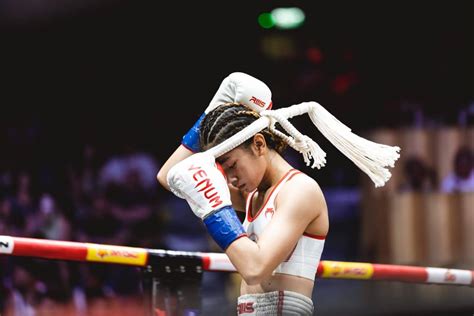
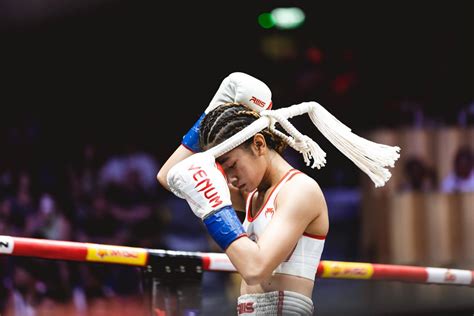
What is a Mongkol?
The Mongkol (sometimes spelled Mongkon) is a traditional headband worn by Muay Thai fighters. It is representative of the fighter’s training, gym, and teacher and is believed to repel danger and injury during a fight. Those who wear them are promised prosperity and good fortune. Made from a piece of cloth, often blessed by Buddhist monks, it's considered sacred and is treated with the utmost respect.
Origins and History
The origins of the Mongkol can be traced back to ancient times when Muay Thai was practiced by Thai warriors. Back when Thailand was Siam, the early fighters would tie a bandana around their heads before going into battle.
Read also: Authentic Muay Thai Training
It was a part of their battle gear, believed to protect them and grant them strength in war. Both soldiers and sport-fighters would take part in this process. They would then complete a Buddhist chant.
At times of war Thailand’s soldiers wore before battle always headbands as a talisman. Not infrequently ornate amulets or clothes or hair of beloved persons were attached to the Mongkol too. This should protect the soldiers from harm and bring happiness.
When Muay Thai was practiced almost exclusively by Buddhist monks and soldiers, the Mongkon was a symbol of a fighter’s beliefs, and would be worn even by those that did not practice Buddhism. On occasion, a fighter would sometimes weave the bones of an ancestor the hair of someone they loved into the Mongkon, to provide further protection. Each fighter’s Mongkon is a very personal item and many have some sort of amulet or token woven into the material.
Nowadays the Mongkon is embedded in Muay Thai culture, not only for Buddhist fighters but also for fighters of other religions.
Significance of the Mongkol
The Thai martial art headwears compress the fighter’s spirit, lineage, and connection to the sport’s rich heritage. When a fighter dons the Mongkhon, it is a symbolic gesture of respect, both to their trainers and to the traditions of Muay Thai. These headbands represent a deep-seated reverence for their ancestors, as they are often infused with the spirit of family and cultural history.
Read also: Choosing a Muay Thai Gear Bag
Each gym or camp has its own unique Mongkon that represents the spirit and strength of the gym and it’s master instructor. Traditionally, fighters receive their Mongkon from the coach when they trained hard enough and are ready to represent the Muay Thai Camp in the ring with honor. The coach must be fully convinced of the skills of his Muay Thai student.
In the spiritual context of Muay Thai, the Mongkhon is believed to bestow protective powers upon the fighter.
Spiritual and Symbolic Meaning
- Spiritual Protection: The Mongkol is believed to house the fighter's spirit and protect them from harm.
- Connection to Heritage: Wearing the Mongkol is a nod to the history and traditions of Muay Thai.
- Symbol of Honor and Respect: The Mongkol is bestowed upon a fighter by their teacher, symbolizing the trust and bond between them.
There are many different legends of how to imbue power into the Mongkon to provide strength and protection for the fighter. Thai-Buddhist traditions include weaving the bones of fighter’s ancestor or the hair of a loved one into the Mongkon or adorning it with sacred amulets. Another Thai-Buddhist tradition is to have the Mongkon blessed by monks or a holy man, who will cast spells to aid the fighter with strength, courage and protection.
When is the Mongkol Worn?
A mongkol is not worn while fighting but is instead worn for a ceremonial purpose before a fight. Though not worn in a fight it is necessary to have one before fighting.
The Mongkol is worn as a fighter enters the ring and while he performs the “Wai Kru Ram Muay”. This is a ritualistic dance used to show respect for the fighter’s teacher, family, art of Muay Thai and the Kingdom of Thailand.
Read also: USA Muay Boran Guide
The ceremony surrounding the wearing of a mongkol starts by placing the mongkol on a fighter’s head before they enter the ring. Once in the ring a fighter will commence a wai kru dance while wearing the mongkol. Once the ceremony is over the fighter’s trainer will remove the mongkol while praying.
For the fight it is however not worn. The coach of each fighter takes the Mongkol from the head and hangs it in the corner. This brings the fighters luck and protects him from possible dangers. So the mogkol is a highly spiritual object in Muay Thai.
How to make Hand crafted Muay Thai Prajeet from Kru Daeng PhuketTopTeam
The Role of the Gym Owner/Trainer
The gym owner or the trainer plays a pivotal role in a fighter's journey in Muay Thai.
- Givers of the Mongkol: Traditionally, the Mongkol is given to a fighter by their gym owner or trainer when they feel the fighter is ready to represent the gym in the ring.
- Guiding the Fighter's Journey: The act of removing the Mongkol is symbolic of the guidance they provide.
The importance of the Mongkon for the fighters: Fighters wear the Mongkon also for paying respect to the coach, the Muay Thai school, and the sport itself. In addition, so that the gratitude and solidarity to all people is expressed, which accompanied the fighters on the difficult path to the fight.
The Removal of the Mongkol
The act of removing the Mongkol before a fight is steeped in symbolism and is a critical part of the Muay Thai ritual.
- Transition from Spiritual to Physical Realm: The removal of the Mongkol signifies the transition from spiritual preparation to physical combat.
- Blessing and Final Protection: When the Mongkol is removed, it's often accompanied by a prayer or a blessing.
- Respect and Authority: The removal by the gym owner or trainer reinforces the hierarchy and respect inherent in Muay Thai culture.
Upon finishing the Wai Kru the fighter returns to his corner and a prayer is whispered between he and his second as the Mongkon is removed before the fight.
Rules and Respect
When wearing the Mongkon, there are very specific things that a fighter can and cannot do. It is considered very disrespectful to climb between the ropes of the ring, for example, while wearing the headband.
Fighters who wear a Mongkon should never climb through the ropes into the ring. Men climb above the ropes into the ring, women crawl under it. Fighter who ignore this will have bad luck and are extremely disrespectful.
The student should never take or putting on the Mongkon itself from the head. Only the coach is authorized to handle the Mongkol. He alone is also responsible for the storage of the Mongkol between the fights. On the day of competition the trainer will present the Mongkon at the right time.
The Mongkon should always be worn above the belt line and must never touch the floor. If the Mongkon touches the ground, it loses his magical powers and this brings bad luck.
The Pra Jiad
The Pra Jiad is an arm band similar in appearance to the Mongkol. It’s made from fabric and twisted in a rope manner, tied around the arm of fighters. Thai soldiers, before leaving for war would take a piece of their mothers clothing and wrap it around their arm to bring them good luck so they could return home safe.
Similar to the Mongkol, the Pra Jiad is blessed by a monk and considered sacred, therefore is not allowed to be placed close to the ground to show respect.
Colors and Styles of Muay Thai Headbands
Muay Thai headbands, or Mongkhon, come in a variety of colors and styles, each carrying its own significance within the sport. These differences in colors and styles reflect the diversity of Muay Thai traditions and the unique attributes of individual fighters and gyms.
Here are some of the color variations of Muay Thai headband meaning;
- Red Mongkhon: Red is one of the most common and traditional colors for Muay Thai headbands. It symbolizes courage and strength.
- Blue Mongkhon: Blue represents calmness and control.
- White Mongkhon: White is often associated with purity and discipline.
- Black Mongkhon: Black symbolizes power and determination. It may also be chosen to signify the fighter’s seriousness and intent to win.
- Gold Mongkhon: Gold represents prestige and excellence. It can also indicate a high level of skill and accomplishment.
- Green Mongkhon: Green represents growth and progress. It is often worn by fighters early in their careers.
- Custom and Gym-Specific Styles: Many Muay Thai gyms have their own unique Mongkhon designs, incorporating gym logos, symbols, or specific colors. These custom headbands help fighters identify with their gym and foster a sense of belonging to a particular community of fighters.
The colors and styles of Muay Thai headbands hold great significance within the sport. The choice of color can convey a fighter’s mindset, strategy, and personal values. Additionally, the existence of custom designs by gyms reinforces the sense of belonging and pride among fighters, further emphasizing the cultural and symbolic importance of the Mongkhon in Muay Thai.
The Mongkol and the Wai Kru/Ram Muay
In the world of Muay Thai, the Muay Thai headband, or Mongkhon, plays a central role in one of the sport’s most revered and symbolic rituals-the Ram Muay and the Wai Kru. These traditional ceremonies reflect the deep cultural heritage of Muay Thai, emphasizing respect, discipline, and spiritual preparation.
The Ram Muay is a pre-fight dance performed by fighters to pay homage to their trainers, gyms, and ancestors. This highly choreographed ritual demonstrates the fighter’s readiness for the battle ahead, both mentally and physically. The ritual begins with the fighter donning the Mongkhon, which is placed on their head by their trainer as a mark of respect and protection. The positioning of the headband above the eyebrows signifies reverence for the traditions of Muay Thai and the spiritual bond between the fighter and their mentor.
A brief prayer is often said during this moment, seeking blessings for protection and victory, symbolizing the transfer of the trainer’s knowledge, energy, and support to the fighter. The Wai Kru and the Significance of the Mongkhon While the Ram Muay often takes center stage with its intricate movements, it is the Wai Kru that embodies the heartfelt homage fighters pay to their mentors, ancestors, and the discipline of Muay Thai itself.
The Wai Kru, which translates to “paying respect to the teacher,” is performed at the start of the Ram Muay. During this ritual, fighters kneel in the ring and bow three times-each bow reflecting respect for their parents, teachers, and deities. The Mongkhon plays a profound role in the Wai Kru, serving as more than just an adornment. Worn during the ritual, the Mongkhon represents the fighter’s unwavering gratitude toward their trainers, whose dedication and guidance have prepared them for the challenges they face in the ring.
It also symbolizes a connection to their gym and the lineage of knowledge passed down through generations. The act of wearing the Mongkhon during the Wai Kru focuses the fighter’s mind and spirit. In these moments of reverence, fighters mentally prepare for the bout, drawing strength from the spiritual energy of their teachers and ancestors. The Mongkhon becomes a vessel of respect, channeling the legacy and teachings of the Muay Thai community into the fighter.
Both the Wai Kru and Ram Muay showcase Muay Thai’s rich cultural and spiritual significance, with the Mongkhon standing as an emblem of these traditions. At the culmination of these rituals, just before the fight begins, the trainer removes the Mongkhon from the fighter’s head-a symbolic gesture of releasing them into battle with their blessings. This act further emphasizes the sacred bond between the fighter and trainer, leaving the fighter focused, spiritually centered, and ready to honor the traditions of Muay Thai in combat.
Through its integral role in the Wai Kru and Ram Muay, the Mongkhon serves as a bridge between Muay Thai’s historical roots and its modern expression, blending respect, culture, and preparation seamlessly into the sport.
The Consecration of the Mongkon
The Mongkon is awarded by a consecration to the spiritual force that is said to it. The ceremony can be performed both by a Buddhist Monk, a Muslim imam or a Chritian Priest. Usually the coaches and the fighters themselves take part to this consecration. Just taking part in such a ceremony, the self-consciousness of the Fighter is often strengthened, which can have a positive effect in combat. Even fighters who do not live the teachings of Buddhism may participate in the ceremony and be protected.
Contemporary Usage
In contemporary times, while some aspects of Muay Thai have adapted to modern sensibilities, the reverence for the Mongkol remains unchanged. As Muay Thai has gained international popularity, the practice of wearing and respecting the Mongkol has spread globally.