Amid the timeless chimes of the thousand-year-old Shaolin Temple, one way of life has remained unwavering-the art of eating. For centuries, this dietary practice has not only sustained the monks’ bodies but also supported their enduring progress in spiritual practice and martial arts. The Shaolin diet is not a relic of ancient custom, but a crystallization of millennia-old wisdom. It reminds us that simplicity is not scarcity, restraint is not suppression, and lightness is not flavorless.
The Shaolin monks are renowned through Buddhism, yet they grew to fame through pop culture via kung fu movies. A Shaolin monk is the equivalent of a Marvel superhero in our world, to me at least. They embellish discipline and enlightenment, and practice techniques centered around balance, strength, endurance, and self-defense. Their life is dedicated to the four pillars of Shaolin culture. Those are the teachings of Chan, as in, Zen Buddhism, martial arts, Buddhist art, and traditional Chinese medicine.
Those who live in the Shaolin Temple live with balance from spirituality and martial arts, all the way down to their diet. They are famous vegetarians who prove meat is not necessary for a physically, mentally, and spiritually demanding life on the path to enlightenment. The Shaolin warrior monks abide by their routine of meditation and martial arts through their diet, which makes them some of the most healthy, athletically fit people in the world. This is due to their high protein, fiber, and low-fat content diet.
The Shaolin diet is a balanced way of eating that can help you live a long, active and healthy life. It provides a simple and streamlined formula for preparing vegan macrobiotic meals with relative ease.
The Core Principles of the Shaolin Diet
The Shaolin monks take “simplicity” as their foundation, with daily meals primarily consisting of grains, legumes, seasonal vegetables, and nuts. The Shaolin monks take “simplicity” as their foundation, with daily meals primarily consisting of grains, legumes, seasonal vegetables, and nuts. They abstain not only from meat and fish, but also from pungent vegetables such as onions, garlic, and leeks-the so-called “five pungents.” The typical range of their diet includes fruits, salads, tofu, beans, rice, lentils, noodles, soups, and plenty of stir-fried and steamed vegetable dishes and good quality protein. The traditional Shaolin diet includes rice, noodles, tofu, leafy greens, beans, and fruits.
Read also: Learn Shaolin Self-Defense
Here’s a summary of the key principles:
- Vegetarianism: Adhering to the Buddhist principle of Ahimsa, or non-harm.
- Simplicity: Minimizing external stimuli to allow the body to return to its natural state and awaken its innate vitality.
- Moderation: Eating only until 70-80% full to maintain agility and longevity.
- Balance: Harmonious blend of Yin and Yang-hot and cool, raw and cooked, dense and light.
- Mindful Eating: Practicing mindful eating by chewing slowly, appreciating each flavor, and showing gratitude for their food.
- Seasonal Eating: Adjusting ingredients and cooking methods with the seasons to harmonize the internal organs.
Particular emphasis is placed on cooking methods: no deep-frying, no excessive oil or salt, but rather the natural flavors of ingredients, nurturing the harmony of the five organs.
Traditionally, Shaolin adheres to "eating at noon," with a bowl of congee in the early morning to warm the stomach and cleanse the intestines, followed by a light meal in the afternoon, after which no further food is consumed, allowing the body to rest naturally. This is the essence of Shaolin nutrition.
In the tranquil mornings of ancient temples nestled in high mountains, before the temple bells ring, Shaolin monks have already risen to wash, meditate, and sit in stillness. A day of spiritual practice begins with a simple bowl of porridge or rice.
Foods to Include and Avoid
Shaolin monks avoid foods like meat, fish, dairy, eggs, garlic, onions, leeks, and alcohol. These foods are believed to disrupt spiritual clarity, stimulate desires, or cause aggression, making it harder to stay focused during meditation. They avoid garlic, onion, ginger, and spices that are pungent or hot, as they believe it can stir emotions and pull them away from their calm nature, depending on the type of Shaolin temple. The Shaolin Temple diet also excludes alcohol, and stimulating spices or odiferous foods, such as the onion family of vegetables, garlic, and ginger.
Read also: Symbolism of Shaolin Haircut
Here are all the foods you can consume on the Buddhist diet without breaking the rules. They are an important part of any healthy diet and should also be part of your Buddhist diet for weight loss.
Foods to include in the Shaolin diet:
- Grains: Rice, oatmeal, quinoa, brown rice, millet, barley, and whole-wheat bread and pasta.
- Legumes: Beans and lentils.
- Fruits: Grapes, berries, watermelon, kiwi, and pears.
- Vegetables: Leafy greens, and starchy vegetables.
- Nuts and Seeds.
- Tofu.
The Daily Routine and Diet of a Shaolin Monk
The Shaolin continue their 1500-year-old practice of waking up early to don their signature orange robes. Their day starts with meditative chanting until breakfast. Then, they receive a soup of beans called eight-treasures - the perfect fuel before their in-depth training.
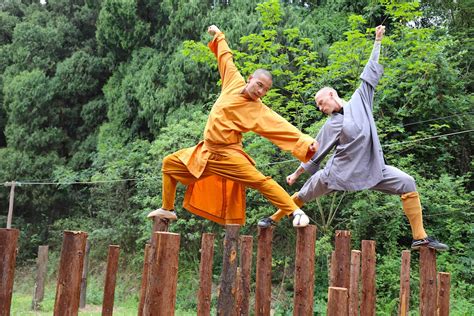
Shaolin Monks Training
Here's a typical day for a Shaolin monk:
Read also: Martial arts meets comedy in Shaolin Soccer
- 5:00 AM: Wake up and don signature orange robes.
- 6:00 AM: Meditative chanting followed by breakfast.
- Morning: Kung fu training, specializing in two animal movements or styles.
- Noon: Lunch consisting of a mix of at least 5 vegetables, tofu, and rice.
- Afternoon: Temple affairs followed by more kung fu training.
- Evening: Dinner with noodles and bread, followed by praying and chanting.
- 10:00 PM: Bedtime.
"Shaolin Secrets: The Power-Packed Diet Behind Martial Arts Mastery"
The sacred breakfast gives them enough fuel to start their intensive day. A congee focused on beans and grains made with nuts, seeds, and dried fruits of goji berries and Chinese dates.
The Eight Treasures Congee
The Eight Treasures Congee is perfect fuel prior to their intensive training. The protein at lunch helps them remain fueled and focused for more training in the afternoon. Eight Treasures refers to the 8 different ingredients. It is believed that regular consumption of this Eight Treasures Congee (the name is the same despite many varied recipes) is key for longevity.
A classic congee you can find all over China and a staple Shaolin monk breakfast.
Ingredients:
- 15g dried lotus seeds
- 15g day-lily bulb (baihe), fresh or dried
- 10g mung beans (or red beans)
- 10g azuki beans
- 15g raw peanuts, in their pink skins
- 15g walnuts (or chestnuts, or raw pecans)
- 20g dried Chinese dates (such as dried Chinese jujubes or dried Longan), stones removed
- 50g black glutinous rice (forbidden rice)
- 50g white glutinous rice
- 50g Thai jasmine rice
- 10g goji berries
- Brown or white sugar, crushed rock sugar, or honey to serve (optional)
Instructions:
- Soak the lotus seeds, dried day-lily bulb (if using), mung beans, and azuki beans in cold water overnight.
- Next day, drain and rinse, then tip into a large saucepan.
- Give the remaining ingredients a good rinse, except the goji berries and sugar, then add them to the pan with 3 liters of water.
- Bring to a boil, skim if necessary, and simmer over gentle heat for 1 and 1/2 hours, stirring occasionally to prevent sticking and adding more water if necessary. (If you are using the fresh day-lily bulbs, add them to the pan for the last few minutes of cooking.) You should end up with a loose, soupy porridge.
- Shortly before the porridge will be ready, add the goji berries and let them steep in the hot liquid for a minute or so.
- Serve warm, with sugar or honey to taste, if you wish.
Here is a look at a sample daily intake for a Shaolin monk.
Breakfast
- Eight Treasure Congee
- Calories: 420
- Fats: 12 g
- Protein: 14 g
Lunch
- Mixed Vegetables, Tofu, and Rice
- Calories: 543
- Fats: 21 g
- Protein: 27 g
Dinner
- Noodles and Bread
- Calories: 291
Total Intake for the Day
- Calories: 1,254
- Fats: 44 g
- Protein: 47 g
Please note that if the calorie intake for the day is too little for you, don’t starve yourself and feel free to increase the serving sizes or eat some healthy snacks between meals to help you reach your recommended calorie intake for the day.
Benefits of the Shaolin Diet
The Shaolin diet directly contributes to physical endurance, flexibility, and muscle recovery in Kung Fu. Plant-based proteins, such as tofu and lentils, promote muscle growth without slowing digestion, while grains provide steady energy.
Here are some of the benefits of following the Shaolin Diet.
- Boosts your metabolism. Your body has to use more energy to break down and digest proteins.
- Positively impacts your hunger and satiety hormones.
- Aids weight loss.
- Prevents obesity.
Mindful Eating and Meditation
In Shaolin culture, eating is considered a form of meditation. Monks practice mindful eating by chewing slowly, appreciating each flavor, and showing gratitude for their food.
During meals, they eat in silence, without distraction, chewing slowly-a practice called "silent eating." This is a way of turning inward-not dwelling on the past or yearning for the future, but simply being present with each breath and bite.
To cultivate such a serene dining atmosphere, many practitioners burn incense before meals to calm the mind.