Pressure points are sensitive areas on the body that can cause intense pain or temporary immobilization when struck. While pinching a “pressure point” might not instantly knock out your opponent like in the movies, there are certainly sensitive parts on the body you can use to your advantage when you’re being attacked. Striking a vulnerable area can turn a fight in your favor, helping you knock an opponent down, disarm them, or gain control of their body.
We have all seen the videos of the unassuming, out-of-shape man defending himself from stronger or more physically fit attackers by simply touching a spot (or multiple spots) on the attacker's body, putting him into a fetal position on the ground, writhing in pain or knocked out altogether. This is not reality. It will not work in the ‘street’ or in a BJJ match, or a cage fight. These super deadly pressure point techniques are not fight-enders on their own, nor are they as incredibly effective as some may wish you to think.
It is fun to believe in crazy one-touch KO martial arts magic, but it is not real, nor was it ever the intention for pressure points in martial arts. What is real is hard training and thinking with a critical mind. Use “pressure points” but know why they work, do not take mystic jargon as an answer, and most importantly, pressure test this stuff. Spar and see if it works under stress, be safe, do not just kick your training partner between the legs or poke his eye out, we know what those will do and the reactions you will get.
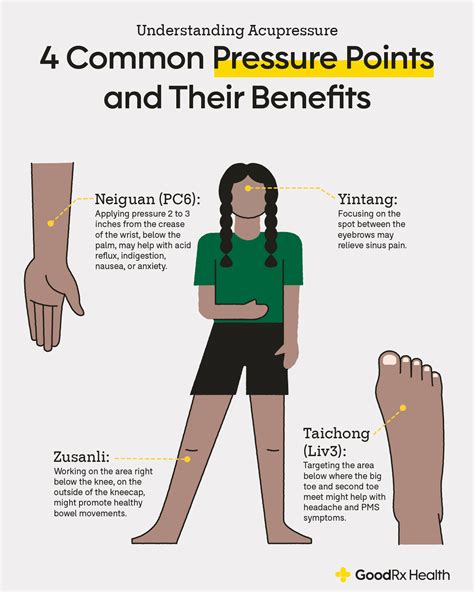
Understanding Pressure Points
People who teach pressure points as a stand-alone system typically like to use strange words, such as meridians, chi, and you will hear them talk about gallbladders, lungs, and stomach when they are touching their partners' neck or arm, for example. The idea is that the meridians are points on the body connected by chi. By striking certain meridians, you stop the flow of chi to certain meridians located on vital spots of the human anatomy (organs, for example). This is not how pressure points work.
Pressure points are real, but they are not magic. If I punch you in the chin and you are knocked out, that is a pressure point - a point where if you apply enough pressure, there will be a reaction (while being as efficient as possible).
Read also: Unlocking Kyusho Jitsu
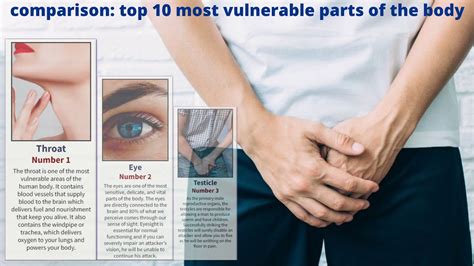
Major targets on your opponent’s body include the eyes, neck, knee, groin, and gut. In this article, we’ll show you where and how to hit the most vulnerable areas to gain victory or get away quickly with expert tips from self-defense trainer Tsahi Shemesh.
Warning: This article is intended for informational purposes only. Striking sensitive areas can potentially lead to serious injury or even death.
Effective Pressure Points and Techniques
Here are some specific pressure points and techniques to consider:
1. The Temple
The temple is located 2-3 inches (5.1-7.6 cm) behind and slightly above the eye. Striking this point on the body is painful since it’s one of the softest locations on the head. Use a closed fist or open palm to slam against the side of your opponent’s head, disorienting them and giving you time to prepare your next move.
Warning: You can kill someone by striking the temple too hard or by puncturing it with an object. The temple is so sensitive because it’s the point where 4 different bones in the skull fuse together. It’s especially dangerous to hit this area though, because the bone structure is weaker than other parts of the skull.
Read also: Training at Alliance Chula Vista
2. The Eyes
Spread your index finger and middle finger out 2-3 inches (5.1-7.6 cm) and quickly strike both of your opponent’s eyes with the tips of your fingers. This is a good way to get away from someone attacking you. Shemesh advises to “hit [an attacker’s] vulnerable points.
3. The Neck
When you find an opening, strike the opponent on the side of the neck, roughly 3-4 inches (7.6-10.2 cm) under the ear where their neck starts to slope into the shoulder. This is the location of the carotid artery, which supplies blood to the brain.
4. The Groin
The groin is a highly sensitive area of the human body. They will quickly drop to the ground, buying you time to flee or subdue your attacker.
5. The Stomach
There aren’t any bones protecting the stomach, which means you can strike an opponent’s stomach and damage their organs without much resistance. Use a closed fist to punch your opponent’s stomach right below the belly button to deliver a powerful strike that will make your attacker bend over. If you can’t strike the stomach directly, opt to kick or punch an opponent’s side, 5-6 inches (13-15 cm) beneath the end of their ribcage. This throws your opponent off balance while causing them to bend over to the side in pain.
6. The Knee
When you’re in striking distance, lift your foot and aim the heel of your shoe at your opponent’s knee. Kick it from the side or behind the kneecap to knock your opponent down to the ground. If you end up in a position in a fight where your opponent is either standing over you or trying to force you down, drop lower to the ground and swing your leg through their shin or ankle to drop them to the floor. Swiping the ankle or shin is a great way to use your opponent’s advantage against them.
Read also: New Jujutsu Odyssey Codes
Every Lethal Pressure Point That WORKS
7. Wrist Disarm
Grip your opponent’s wrist and bend it inward to disarm them. If your attacker is holding a weapon or an object, reach out to grab the front of their hand with your dominant hand, and the side of their wrist with your nondominant hand.
Pressure Points vs. Pressure Passing in BJJ
It is important to differentiate pressure points from pressure passing in BJJ. Pressure points are those points of the body that can be targeted during a fight, but striking is illegal in BJJ. On the other hand, pressure passing is the technique in which a fighter puts his weight on the opponent to exert pressure and stop him from offense.
The most effective way of guard passing is to combine both pressure passing and speed passing. In certain situations, speed passing becomes crucial, such as when there are few seconds left and you are leading in points.
There are various BJJ competitors categorize themselves as either speed passers or pressure passers. They consider themselves experts in one aspect while considering themselves limited in other approaches. Both time and pressure are crucial factors for every passing in BJJ. Applying pressure is necessary to dominate the opponent, and to apply pressure effectively, timing is significant. BJJ legends most of the time use both speed passing and pressure passing together for its effectiveness.
To combine speed and pressure passing, the legs’ position of the opponent is crucial. If the opponent’s legs are in the lower position, it means the opponent's legs are on the floor or parallel to the ground. In this case, the competitor can dominate his opponent with Toreando as Toreando can help you to dominate the opponent from the side and control his legs. Another a useful technique for the lower position of the opponent’s legs is a knee cut or slice.
If the opponent’s legs are in the mid position, this is a difficult position for the competitor to apply pressure or pass. In this case, the opponent’s legs are in the air and moving around the chest of the competitor. To apply any speed pass like a tornado or knee slice, you must have to put your legs down.
The high position of the opponent’s legs is also challenging for the competitor to handle. In this case, encounter the opponent with speed passing, strangling his ankles, and putting pressure to uplift his feet to his head.
When a competitor is combining both pressure passing and speed passing, his final results depend upon the position of the opponent’s legs. The fighter is struggling to take advantage of the position of the opponent. Therefore applying the best technique according to the leg's elevation of the opponent will give the best results.
The competitors who are experts in pressure passing techniques know best how to utilize the lower body position of the opponent. If the opponent’s lower body is elevated, and you apply for the pass, he will try to move down his body. Here, an expert pressure and speed passer can take advantage, as while moving down his legs, the opponent provides all the necessary body frames for pressure and speed passes.
The Reality of Pressure Points in a Fight
Yes, attacking “pressure points” can work in a fight, but they’re not always reliable. Experts explain that pressure points work best when dealing with a calm, compliant partner (preferably in a dojo). In a real, unsolicited fight, they can be more difficult to target successfully. It’s still important to target pressure points in a fight, even if they won’t reliably take your opponent down.
When given the option, always flee from an attacker. You can cause serious harm to someone by striking the sensitive parts of the body.
Expert Advice
According to Joseph Bautista, a Self-Defense Specialist and Martial Arts Instructor, if your life is in danger, always target the eyes, nose, throat, and groin of your attacker.
In conclusion, while pressure points are not magic, understanding and targeting vulnerable areas can be a valuable component of self-defense and martial arts training. Remember to train responsibly and be aware of the potential consequences of striking these sensitive areas.