Mixed martial arts (MMA) is a full-contact fighting sport based on striking and grappling, incorporating techniques from various combat sports from around the world. It has evolved from various inter-stylistic contests and unrestricted fights, drawing a wide and growing audience. Let's delve into the history, key figures, and psychological strategies behind this captivating sport.
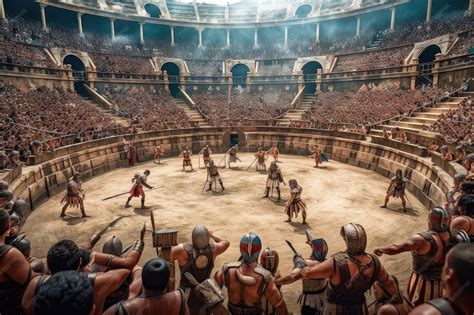
Ancient Greek pankratiasts fighting
A Glimpse into the History of Martial Arts
The roots of mixed martial arts can be traced back to ancient times. In ancient Greece, there was a sport called pankration, which featured grappling and striking skills similar to those found in modern MMA. Pankration was formed by combining the already established wrestling and boxing traditions and, in Olympic terms, first featured in the 33rd Olympiad in 648 BC. All strikes and holds were allowed with the exception of biting and gouging, which were banned. The fighters, called pankratiasts, fought until someone could not continue or signaled submission by raising their index finger; there were no rounds.
Even as late as the Early Middle Ages, statues were put up in Rome and other cities to honor remarkable pankratiasts.
Early Mixed Martial Arts Contests
In the early 20th century, various inter-stylistic contests took place throughout Japan and the countries of East Asia. At the same time, in Brazil there was a phenomenon called vale tudo, which became known for unrestricted fights between various styles such as judo, Brazilian jiu-jitsu, catch wrestling, luta livre, Muay Thai and capoeira. An early high-profile mixed bout was Kimura vs Gracie in 1951.
Read also: Individual Martial Arts Instruction
In mid-20th-century Hong Kong, rooftop street fighting contests between different martial arts styles gave rise to Bruce Lee's hybrid martial arts style, Jeet Kune Do.
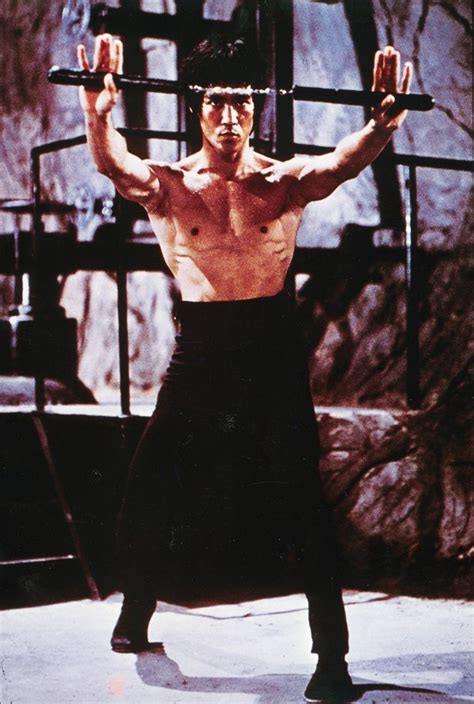
Bruce Lee
Another precursor to modern MMA was the 1976 Ali vs. Inoki fight in Japan.
The Rise of Modern MMA
In the 1990s, the Gracie family brought their Brazilian jiu-jitsu style, first developed in Brazil from the 1920s, to the United States-which culminated in the founding of the Ultimate Fighting Championship (UFC) promotion company in 1993. The company held an event with almost no rules, mostly due to the influence of Art Davie and Rorion Gracie attempting to replicate mixed contests that existed in Brazil and Japan.
Originally promoted as a competition to find the most effective martial arts for real unarmed combat, competitors from different fighting styles were pitted against one another in contests with relatively few rules. Later, individual fighters incorporated multiple martial arts into their style.
Read also: The Jade Fortress Martial Arts System
Key Figures and Events
- Masahiko Kimura vs. Hélio Gracie (1951)
- Gene Lebell vs. Milo Savage (1963)
- Muhammad Ali vs. Antonio Inoki (1976)
The Evolution of Rules and Regulations
The first state-regulated MMA event was held in Biloxi, Mississippi on August 23, 1996, with the sanctioning of IFC's Mayhem in Mississippi show by the Mississippi Athletic Commission under William Lyons. The rules used were an adaptation of the kickboxing rules already accepted by most state athletic commissions. These modified kickboxing rules allowed for take downs and ground fighting and did away with rounds, although they did allow for fighters to be stood up by the referee and restarted if there was no action on the ground.
On April 3, 2001, the NJSACB held a meeting to discuss the regulation of mixed martial arts events. This meeting attempted to unify the myriad rules and regulations which had been utilized by the different mixed martial arts organizations. At this meeting, the proposed uniform rules were agreed upon by the NJSACB, several other regulatory bodies, numerous promoters of mixed martial arts events and other interested parties in attendance. The rules adopted by the NJSACB have become the de facto standard set of rules for professional mixed martial arts across North America.
The Psychological Edge: Alter Egos and Peak Performance
Many high performers in martial arts, like in other fields, conjure an alter ego to optimize their performance. This unconventional approach is rooted in established science.
A surprising number of renowned artists, athletes, and leaders have all employed the psychological strategy of alter egos to optimize their performance for years. When Adele conjures Sasha Carter, her confidence crescendos; when LeBron James conjures The King, his performance peaks.
Deion Sanders Leon Sandcastle Superbowl Commercial
One of the most compelling case studies of the alter ego’s efficacy is found in Deion Sanders, who was an anomaly among anomalies: playing two sports, he was a Hall of Fame cornerback and Major League Baseball outfielder. Sanders crafted an enigmatic and confident alter ego named "Prime Time" to optimize his athletic performance.
Read also: Deep Dive into Court Martial Films
Sanders' career was fraught with challenges, ranging from the rigorous demands of professional sports in two professional leagues, to the intense scrutiny of the public eye. He was extraordinarily talented but needed something extra to manage the pressure and expectations. "Prime Time” had the answer.
Scientifically, Sanders' utilization of an alter ego aligns with the psychological principle of 'self-distancing,' a concept explored in research published in the Journal of Personality and Social Psychology. Self-distancing involves taking a step back from your immediate experiences to view them from a detached perspective. In Sanders’ case, "Prime Time" served as this detached, empowered entity, endowing him with the mental fortitude to surmount challenges and shine on both fields.
How to Create Your Own Alter Ego
To create your version of June Carter or Prime Time, follow these steps:
Begin with Self-Awareness
- Journal: Write down your feelings, thoughts, and reactions in different situations to gain insights into your behavior and emotions. Identify patterns and triggers.
- Seek Feedback From Peers: Ask for constructive feedback from friends, family, or colleagues to understand your strengths and weaknesses from an external perspective.
- Get Professional Help: Consider seeking help from a therapist or counselor to delve deep into your subconscious barriers. Professional assessments can offer objective insights.
Visualize a Version of Yourself, Unbridled by Current Limitations
- Create A Vision Board: Create a visual representation of your ideal self, including images, phrases, or words that resonate with the traits and accomplishments you aspire to attain.
- Practice Meditation And Visualization: Dedicate time to visualize your ideal self. Imagine living a day in the life of this version of you, feeling the emotions and experiencing the successes.
- Set Clear Goals: Identify specific, measurable, achievable, relevant, and time-bound (SMART) goals that align with your ideal self.
Meld Desired Qualities into a Coherent, Empowering Persona
- Build A List Of Characteristics: Identify and write down the traits, behaviors, and attitudes your alter ego embodies. Be specific and detailed.
- Emulate Role Models: Look at people you admire. What traits do they possess that you want to incorporate? Draw inspiration but tailor it to your unique self.
- Choose Your Name And Identity: Give your alter ego a name and identity. Visualize how they look, speak, and act.
Step into This Persona During Pivotal Moments to Unlock Enhanced Performance
- Practice: Begin adopting the alter ego in low-stakes situations to build confidence. Practice the behaviors and mindset of your alter ego.
- Create Triggers: Identify triggers that will help you switch into your alter ego. It could be a piece of clothing, a specific phrase, or a particular setting.
- Use Affirmations: Use positive affirmations to reinforce the traits of your alter ego. Speak these affirmations to condition your mind.
Analyze, Refine, and Enhance Your Alter Ego for Continuous Improvement
- Review Performance: After every usage of your alter ego, evaluate its effectiveness. What worked? What didn’t? Be honest in your assessment.
- Iterate The Process: Understand that your alter ego can evolve. As you grow, it should, too. Make necessary adjustments to align with your goals and challenges.
- Celebrate Wins: Acknowledge and celebrate the successes achieved while embodying your alter ego. This reinforces the positive impact and motivates future usage.