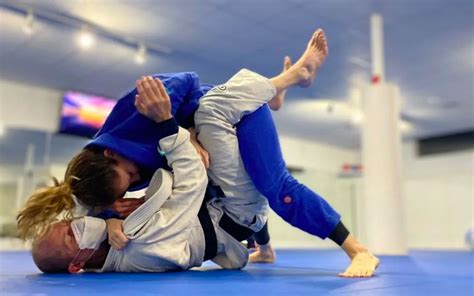
Brazilian Jiu-Jitsu (BJJ) is much more than just a martial art. It is a powerful tool for improving mental health.
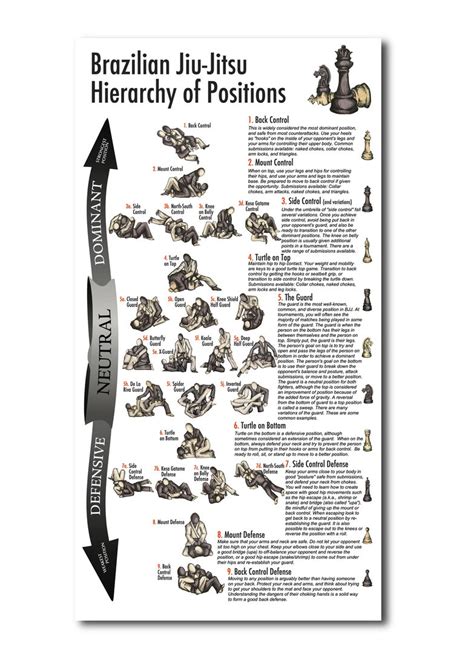
Brazilian Jiu-Jitsu is widely recognized for its physical benefits, such as improved strength, flexibility, and endurance. However, beyond its physical aspects, BJJ also provides significant mental health benefits.
Physical Benefits of BJJ
Brazilian jiu jitsu is a full-body workout. Every class involves movement that builds strength, flexibility, and endurance. Students use controlled techniques that engage core muscles, improve balance, and develop joint mobility. Over time, this translates to better overall health and improved physical performance in daily life.
- BJJ sparring rounds (also called rolls) are generally five minutes in length, and include a variety of low and high intensity efforts with little rest. This makes BJJ sparring a great form of exercise.
- Even short BJJ sessions can be a great way to boost your heart rate much more consistently than cardio exercises.
- Since BJJ combines both aerobic and anaerobic exercises, practitioners will get the combined benefits.
- Since BJJ involves getting in and out of tricky positions, it works all the joints in the body.
According to our estimation based on research carried out on BJJ athletes, 30 minutes of hard rolling could burn approximately 500 calories. BJJ sessions work similar to a combination of full-body cardio workout along with strength training which results in quick weight loss. It is found to be one of the most effective ways to burn calories. Longer sparring sessions can increase metabolism and help burn excess fat.
Mental Health Benefits of BJJ
In today’s fast-paced world, many people struggle with anxiety, stress, and self-doubt. More than just self-defense skill, BJJ fosters personal growth and self-discovery through time spent on the mats. Regular training provides structure, social interaction, and a sense of accomplishment, all contributing to overall well-being.
Read also: From Sitcom Star to BJJ Master
The connection between physical activity and mental health is well-documented. Exercise helps regulate mood, reduce anxiety, and alleviate symptoms of depression. Unlike traditional workouts, BJJ engages both the body and mind. The combination of technique, problem-solving, and exertion keeps practitioners fully immersed in the present moment.
Training in BJJ also promotes mindfulness, as practitioners must stay focused during drills and live rolling.
Stress Relief
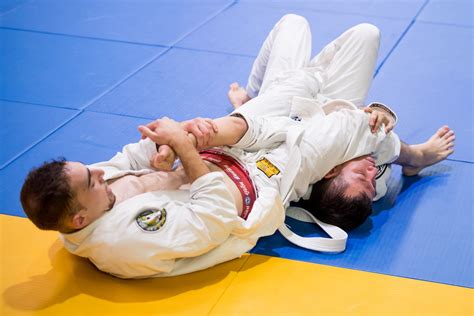
One of the biggest mental benefits of BJJ is stress relief. The physical intensity of training provides an outlet for built-up tension, while the mental focus required to execute techniques helps distract from daily worries. A BJJ practitioner, whether they’re experienced or starting new, will be put through difficult situations during a match or sparring. As they overcome these situations, it boosts their mental fortitude. This translates into the ability to problem solve under pressure outside the dojo as well.
Yes. BJJ helps reduce stress by giving your mind a break from daily worries.
Boosts Confidence
BJJ also significantly boosts confidence. Learning self-defense skills naturally instills a sense of self-assurance. As practitioners improve, they gain confidence in their abilities, not only on the mats but in other aspects of life as well. Brazilian Jiu-Jitsu builds confidence by helping you solve problems under pressure.
Read also: The Art of Brazilian Jiu-Jitsu
Emotional Resilience
Emotional resilience is another major benefit. BJJ teaches individuals how to handle failure in a constructive way. Getting submitted is a natural part of training which helps practitioners recognize weaknesses and grow stronger. It’s normal to regularly experience failure when sparring in BJJ. These losses are necessary and crucial for your learning journey.
Improved Focus and Mindfulness
Improved focus and mindfulness are also valuable outcomes of BJJ. The sport demands complete concentration, leaving no room for distractions. Practitioners must be present in the moment, whether it’s defending against an attack or setting up a submission.
Fosters Strong Social Connections
Finally, BJJ fosters strong social connections. The friendships built in training create a supportive network that extends beyond the gym. Unlike solo workouts at a traditional gym, BJJ involves constant interaction with training partners, reinforcing teamwork and mutual respect. The training environment encourages teamwork and respect. Students support each other, celebrate progress, and help new members feel welcome. Being part of a supportive network benefits mental health and personal growth.
One of the most powerful aspects of Jiu-Jitsu is its emphasis on long-term progress. Unlike traditional fitness programs that focus on quick results, BJJ encourages patience and commitment. This long-term goal-setting teaches valuable life skills, including perseverance, discipline, and self-motivation. Instead of seeking immediate success, practitioners learn to appreciate the process of gradual improvement.
BJJ and "Mushin"
One particular mental state that students of Brazilian Jiu-Jitsu may have experienced is “Mushin”. Mushin is a mental state that seasoned practitioners of Brazilian Jiu-Jitsu might enter frequently. Described as “no-mindedness”, Mushin mind sees martial artists engage in combat free of thoughts and emotions - removed from emotions such as fear, anger, and ego. And if you have separated yourself from your mind, you are now free of all of the emotions that existed once you walked in the door.
Read also: Jiu Jitsu Classes
Safety in Training
While BJJ offers many mental health benefits, it is essential to train safely. Practicing smart and listening to one’s body are key to longevity in the sport. One of the most important safety principles is tapping early to avoid setbacks. Proper warm-ups help prevent strains and sprains, ensuring that the body is prepared for training. Clear communication with training partners is also vital, especially when rolling with beginners or those with physical conditions. Taking rest days when needed is another important factor in preventing burnout. Lastly, training at a reputable gym with experienced instructors ensures that safety protocols are followed.
BJJ for Law Enforcement
Brazilian Jiu-Jitsu (BJJ) has become increasingly recognized as a valuable tool in addressing modern policing challenges, particularly in light of society’s growing focus on the use of force and demand for reform.
- Universal respect and ego control
- Increased skill under pressure
- Expediting experience
- Control of mental well-being
- Additional capacity to observe officer safety concerns
- Command presence and reduced use of force
- Prioritization of threats
- Fighting as a skill
- Survival isn’t just physical
- Preparedness
BJJ vs Other Martial Arts
With so many physical activities available, what makes BJJ particularly beneficial for mental health? One reason is its ability to create a safe space for personal growth. Unlike traditional sports that emphasize immediate results and competition, BJJ is a lifelong journey of self-improvement.
BJJ also teaches humility and patience. Regardless of athletic ability, everyone starts as a beginner and must work their way up. Tapping out is an unavoidable part of training, teaching practitioners how to handle setbacks and failure in a constructive way. Additionally, BJJ fosters a strong sense of community. Training partners and coaches provide encouragement and support, creating a welcoming environment where progress is celebrated.
While BJJ is physically demanding, it is equally a mental game. It requires a lot of problem-solving and strategic thinking. Every roll presents a new puzzle. Situations like escaping a bad position or setting up a submission present fresh and new problems that stimulate the intellect. This constant problem-solving fosters mental resilience, helping practitioners stay composed under pressure.
Beyond technical skills, BJJ cultivates patience and perseverance. Progress is slow, and mastering techniques requires years of consistent practice.
BJJ and Self-Defense
Brazilian jiu jitsu is effective for self-defense because it is based on leverage and technique rather than size and strength. Students learn how to control situations without causing unnecessary harm. For children, this includes learning how to set boundaries and disengage safely. For adults, it provides a reliable method for protecting themselves in close-range situations.
Getting Started with BJJ
For those considering BJJ, stepping onto the mats could be an amazing experience. Here are some frequently asked questions:
- How often should I train in Brazilian jiu jitsu to see progress?
Most beginners benefit from attending two to three classes per week. This allows enough time to absorb new techniques, recover physically, and build consistent habits.
- What should I wear to my first BJJ class?
Beginners can start with comfortable athletic clothing such as a t-shirt and shorts without zippers. If your first class is in the gi (uniform), the academy may provide one or offer rentals for trial students.
- Is Brazilian jiu jitsu good for weight loss?
Yes. Because BJJ combines aerobic and anaerobic exercise, it burns calories while building muscle. Consistent training paired with a balanced diet can help with healthy weight management.
- Can Brazilian jiu jitsu improve performance in other sports?
Absolutely. The strength, flexibility, and coordination developed in BJJ translate well into other athletic activities. Athletes often find that their agility, balance, and reaction time improve.
- How does Brazilian jiu jitsu compare to other martial arts for self-defense?
BJJ is particularly effective in close-range situations and when defending against a larger opponent. It emphasizes control, leverage, and submissions, making it practical for both men and women.
- Do I need any previous martial arts experience before starting?
No prior experience is needed. Brazilian jiu jitsu is designed to accommodate complete beginners. Classes are structured to teach fundamental techniques in a safe and supportive setting.
Ready to give Brazilian Jiu-Jitsu a try?