Martial arts have captivated the human imagination for centuries. From ancient battle techniques to modern competitive sports, the journey of martial arts showcases not only the development of fighting skills but also the blend of art and discipline that comes with them.

Minoan youths boxing, reconstruction of a Knossos fresco (1500 BC).
The Ancient Origins of Martial Arts
The origins of martial arts can be traced back thousands of years to ancient civilizations. Although the earliest evidence of martial arts goes back millennia, the true roots are difficult to reconstruct. The earliest forms of martial arts emerged primarily for the purpose of self-defense and military training.
In ancient China, martial arts were intertwined with philosophy and health practices. In ancient China, Yellow Emperor (2698 BC) is described as a famous general who, before becoming China’s leader, wrote lengthy treatises on medicine, astrology and the martial arts. The foundational schools of thought-Confucianism, Taoism, and Buddhism-shaped the rise of various martial arts forms, including traditional Chinese Kung Fu.
India also contributed significantly to the martial arts landscape with Kalaripayattu, considered one of the oldest fighting systems in existence. It incorporates strikes, grappling, and weaponry, focusing on producing a physically and mentally balanced fighter.
Read also: Individual Martial Arts Instruction
The Spread and Evolution of Martial Arts
As trade routes expanded and new civilizations emerged, martial arts found their way to various corners of the world. The cultural exchanges during this time played a vital role in shaping the martial arts we know today. The transfer of martial arts from China to Japan in the 7th century led to the evolution of indigenous fighting forms.
Aikido, judo, and karate are prominent styles that emerged during this time. In the late 19th and early 20th centuries, Japanese martial arts gained worldwide popularity.
During the same era, a unique form of martial arts took shape on the Korean Peninsula. Taekwondo combines striking, kicking, and blocking techniques, emphasizing speed and agility. In 1955, taekwondo was officially codified, and the first official taekwondo schools were established.
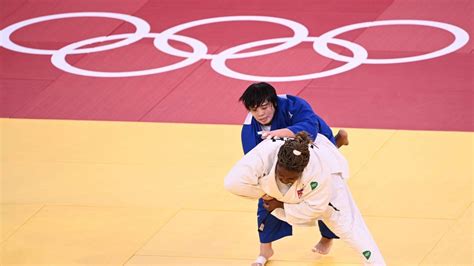
Judo at the Summer Olympics
Modern Martial Arts: Hybrid Systems and MMA
As martial arts further diversified, practitioners began to develop new styles and hybrid systems. One such example is MMA, which combines techniques from various martial arts. Brazilian Jiu Jitsu (BJJ) emerged in the early 20th century, founded by the Gracie family in Brazil.
Read also: The Jade Fortress Martial Arts System
While it draws heavily on traditional Japanese Jiu Jitsu, BJJ transformed the landscape of martial arts with its focus on ground fighting and submission techniques. BJJ broke barriers between traditional martial arts and modern mixed martial arts, leading to its establishment as a competitive sport in its own right.
Kenpo, originating from Okinawa and later popularized in the United States during the mid-20th century, reflects a fusion of various martial arts techniques. Kenpo practitioners focus on fluid movements and rapid strikes, characterized by its adaptability.
The Philosophy and Benefits of Martial Arts
At its core, martial arts extends beyond mere physical combat. Each discipline encompasses a philosophy that promotes personal growth, discipline, and respect. The mental and emotional benefits of martial arts are profound. Many practitioners report improvements in confidence, social skills, and stress management.
Martial Arts in the Modern World
The present era witnesses martial arts adapting to modern lifestyles, technologies, and societies. Online training programs and fitness classes make martial arts more accessible than ever. Innovation continues to shape martial arts, with new techniques, fighting styles, and philosophies emerging regularly.
The rich tapestry of martial arts history reveals a dynamic narrative of cultural exchanges, human resilience, and personal development. As martial arts continue to evolve, they hold a promise of further growth, innovation, and discovery.
Read also: Deep Dive into Court Martial Films
Whether you're a seasoned practitioner or a curious beginner, exploring the history and evolution of martial arts can deepen your appreciation for these time-honored traditions. Embrace the journey, honor the legacy, and step onto the mat with purpose!
A Glimpse into Various Martial Arts Styles
Here's a brief overview of some notable martial arts styles:
- Tahtib: In 2500 BCE, the Egyptians practised Tahtib, a traditional stick-fighting martial art that emphasised speed and technique.
- Kalaripayattu: Meanwhile, in India, the ancient martial art of Kalaripayattu was taking shape around the 3rd century BCE.
- Pankration: In ancient Greece, the martial art of Pankration emerged around 648 BCE.
- Hapkido: A Korean martial art that combines elements of taekwondo, judo, and jujutsu, focusing on joint locks, throws, and dynamic kicking techniques.
- Wing Chun: Southern Chinese martial art emphasizing close-range combat, using quick arm movements and strong low kicks.
- Boxing: Striking martial art and sport involving punches, footwork, and defensive techniques, popularized in England.
- Kendo: Modern Japanese martial art of sword-fighting, based on traditional samurai swordsmanship, emphasizing discipline and mental focus.
- Savate: French kickboxing style combining elements of western boxing and graceful footwork, emphasizing high, precise kicks.
- Canne de Combat: A French martial art that focuses on the use of a walking stick or cane for self-defense, involving strikes, thrusts, and parries.
- Judo: Grappling martial art developed by Jigoro Kano, emphasizing throws, ground control, and submission techniques.
- Bartitsu: Martial art founded by Edward William Barton-Wright, combining elements of boxing, jujutsu, cane fighting, and savate.
- Aikido: Defensive martial art developed by Morihei Ueshiba, focusing on joint locks, throws, and redirecting the opponent’s energy.
- Sambo: Soviet martial art and combat sport combining elements of judo and wrestling, focusing on throws, ground control, and submissions.
- Brazilian Jiu-Jitsu: Ground-fighting martial art focusing on submissions and positional control, developed from Kodokan Judo.
- Vovinam: Vietnamese martial art founded by Nguyen Loc, focusing on a balance of hard and soft techniques, including strikes, kicks, and throws.
- Krav Maga: Hybrid martial art developed for the Israeli military, focusing on practical self-defense and hand-to-hand combat techniques.
- Taekwondo: High-intensity martial art known for its high, fast kicks, jumping and spinning techniques, and emphasis on agility.
- Kajukenbo: Hybrid martial art combining elements of karate, judo, jujutsu, kenpo, and boxing, founded in Hawaii.
- Kyokushin Karate: Full-contact karate style founded by Masutatsu Oyama, emphasizing power, speed, and rigorous physical training.
- Jeet Kune Do: Martial art and philosophy founded by Bruce Lee, focusing on practical, efficient techniques and personal expression.
- Muay Thai: Striking martial art and sport involving punches, footwork, and defensive techniques, popularized in England.
Martial Arts at the Olympics
Martial arts have been a part of the modern Olympic games since 1896. Martial arts at the Olympics in modern times include judo, karate, and taekwondo.
- Judo was first included in the Olympics at the 1964 Games in Tokyo, Japan. After not being included in 1968, judo has been an Olympic sport in each Olympiad since then.
- In August 2016, the International Olympic Committee approved karate as an Olympic sport beginning at the 2020 Summer Olympics. However, karate was not included in the 2024 Olympic Games.
- Since 2000, taekwondo has been in the Olympics.
Historical Timeline of Martial Arts
Here's a timeline highlighting key moments in martial arts history:
| Year | Event |
|---|---|
| 2500 BCE | Egyptians practiced Tahtib, a stick-fighting martial art. |
| 3rd Century BCE | Kalaripayattu takes shape in India. |
| 648 BCE | Pankration emerges in ancient Greece. |
| 8th Century | Sumo emerges in Japan as a traditional wrestling sport. |
| 16th Century | Capoeira develops in Brazil, combining dance, acrobatics, and striking. Eskrima develops in Philippines. |
| 1920s | Judo and Aikido are introduced to the world by Japan. |
| 1940s | Kajukenbo is founded in the United States, combining various martial arts. |
Looking back across the full history and timeline of martial arts, we have come a long way since its ancient origins, and its influence can be felt across the globe.
In the sporting world, it seems the Ultimate Fighting Competition (UFC) has found the ultimate combination of martial arts with MMA fighters often combining grappling, striking, and clinch fighting techniques from disciplines like Brazilian Jiu-Jitsu, Muay Thai, wrestling, and boxing.
What will the future hold for martial arts?