Japanese swords called Katanas are famous for their beauty and sharp cutting. Samurai warriors used them long ago, which is very important to Japanese culture. Every Katana has a story of how it was made and passed down from father to son. This long history and special meaning make Katanas more than just swords. They're like works of art that come to life, and a piece of Japan's heritage.
Japanese Katana swords are traditional Japanese swords known for their curved, single-edged blades. They are highly regarded for their sharpness and craftsmanship. The word "Katana" in Japanese translates to "sword" in English. It specifically refers to the type of long sword used by samurai.
Katana swords are more than weapons in Japanese culture. They symbolize the samurai's honor, bravery, and discipline. These swords played a crucial role in Japanese history, shaping battles and legends. The Katana is deeply embedded in rituals and traditions and represents purity and strength. Owning a Katana at that time was a mark of status and respect. Today, they continue to embody Japan’s rich heritage and values.
The history of Katana swords is a journey through Japanese culture and craftsmanship. The Katana's story begins in ancient Japan. Early swords were straight and single-edged. These evolved from Chinese and Korean influences. As Japanese swordsmiths refined their techniques, the curved Katana blade emerged.
Major historical events shaped the Katana's design and usage. During the Gempei War, the need for effective weapons led to advancements in sword-making. Samurai culture had a profound impact on the Katana. As the samurai class rose to prominence, the Katana became their weapon of choice. It symbolized their honor and duty.
The Katana is a symbol of Japanese culture worldwide. It appears in films, literature, and video games. Movies like "Kill Bill" and "The Last Samurai" showcase its elegance and lethality. Anime and manga often feature Katanas, emphasizing their role in Japanese tradition. Katana swords come in various types, each with its unique characteristics and history.
Traditional Japanese sword forging is a time-honored art. It begins with the selection of raw materials. Swordsmiths use tamahagane steel, known for its purity and strength. The process involves smelting, folding, shaping, and heat treating the steel. Forging a Katana requires exceptional craftsmanship. There are different types of Katana blades. The swordsmith's work ensures the blade's sharpness and durability. Each sword is unique, reflecting the maker’s expertise. The process is labor-intensive and demands precision.
The art of bamboo sword crafting, an age-old tradition steeped in history and culture, remains a fascinating aspect of Asian heritage. The craft, which involves making swords from bamboo, marries the practicality of training weapons with the elegance of traditional craftsmanship. These swords, known for their balance and durability, serve not just as tools for martial arts training but as symbols of the craftsmanship's artistry and the rich cultural tapestry of Asia.
Delving into bamboo sword crafting, one quickly discovers it's not merely about fashioning a piece of bamboo into a sword. It's an art that requires understanding the right materials, techniques, and the historical context that gave rise to its necessity and evolution. Whether used for training in kendo, aikido, or other martial arts, these bamboo swords represent a blend of functionality, art, and tradition.
The roots of bamboo sword crafting in Asia trace back centuries, intertwined with the region's martial arts history and the development of the katana. Originating as a practical solution for safe training, bamboo swords soon became integral to martial arts practices across Asia. This tradition reflects not just a need for effective training tools but also the innovation and resourcefulness of ancient craftsmen.
The evolution of bamboo sword crafting mirrors the broader history of Asian martial arts, adapting to the changing needs and techniques of warriors and practitioners. From the samurai of Japan to the martial artists of China and Korea, bamboo swords have played a crucial role in training, allowing for the development of skill and technique without the risk of injury that comes with steel weapons. In traditional martial arts, bamboo swords serve as more than mere training tools; they embody the spirit and discipline of the warrior.
In disciplines such as Kendo, the bamboo sword, or 'shinai,' is central to the practitioner's development, offering a way to practice strikes and parries with speed and precision. The use of bamboo allows for full-contact training while minimizing the risk of serious injury, making it an essential component of martial arts education. Beyond their practical use, bamboo swords carry significant symbolic weight in martial arts rituals and ceremonies. They represent the warrior's journey, from novice to master, and the values of respect, honor, and humility that this path entails. The crafting of a bamboo sword is, therefore, a deeply respected art, reflecting the cultural and historical significance of martial arts in Asia.
In the heart of Asia's diverse cultures, the bamboo sword stands as a potent symbol, intertwining with tales of valor and the philosophical underpinnings of martial arts. Its significance goes beyond its physical form; it embodies the principles of balance, resilience, and integrity. Each culture has imbued it with meanings reflective of their values and history. For instance, in Japan, the bamboo sword, or shinai, symbolizes not just the warrior's blade but also the spirit of Bushido, emphasizing honor, discipline, and moral integrity.
The symbolism extends into the craftsmanship of the bamboo sword itself. The process of making these swords, selecting the right bamboo, and crafting them with precision, mirrors the artisan's dedication to their art and the martial artist's journey towards mastery. Bamboo swords play a pivotal role in various rituals and ceremonies across Asia, further cementing their cultural and spiritual significance. These ceremonies, often rooted in ancient traditions, highlight the sword's role as a conduit for transmitting values and blessings.
In martial arts dojos, the presentation of a bamboo sword can signify a student's progression or a master's acknowledgment of the disciple's dedication and skill. These rituals, rich in symbolism and steeped in history, offer a glimpse into the profound respect afforded to the art of bamboo sword crafting. They underscore the belief in the sword's power to bridge the physical and spiritual worlds, making it a revered element in cultural festivities and martial arts practices.
Construction and Materials
Selecting the right bamboo is the first and perhaps most critical step in the art of bamboo sword crafting. The ideal bamboo must possess certain qualities: strength, flexibility, and a suitable length and diameter. Not all bamboo is created equal, and the craftsman's ability to discern the right type of bamboo for a sword is a testament to their expertise and understanding of the material.
The choice of bamboo affects not only the durability and balance of the finished sword but also its suitability for training purposes. The right bamboo is typically harvested during specific seasons when its physical properties are optimal. This attention to detail ensures that the bamboo swords made from these carefully selected stalks meet the highest standards of quality and authenticity.
The craftsmanship of a bamboo sword involves a series of traditional tools and techniques, honed over centuries to perfection. From splitting the bamboo to shaping and smoothing the sword, each step requires precision and a deep understanding of the craft. Techniques in crafting these swords vary slightly across different regions of Asia, reflecting the unique styles and preferences of local martial arts practices.
However, the underlying principles of making a bamboo sword that is both durable and true to the art's traditional standards remain consistent. This process not only requires technical skill but also an artistic touch, blending functionality with aesthetic beauty. The artisans who dedicate their lives to the craft of bamboo sword making are guardians of a tradition that dates back centuries. These master craftsmen, with their profound understanding and respect for the art, imbue each bamboo sword with a piece of history and culture.
Their hands, guided by years of experience and the wisdom passed down through generations, work meticulously to ensure that each sword is not just a weapon but a masterpiece of craftsmanship. The legacy of these artisans is not measured solely by the swords they craft but also by the stories they tell and the traditions they preserve. The apprenticeship model, through which skills and knowledge are transmitted from master to apprentice, is a testament to the craft's deep-rooted cultural significance.
This mentorship is crucial for the survival of bamboo sword crafting, as it ensures the continuity of techniques and values that define the art. The apprenticeship in bamboo sword crafting is a journey of transformation, where novices learn not just the technical aspects of the craft but also its cultural and spiritual dimensions. This immersive experience, often spanning years, molds individuals into artisans who carry forward the legacy of bamboo sword crafting with pride and precision. Through this process, apprentices learn to select the right bamboo, master the traditional tools and techniques, and understand the art's historical context. They are taught to see their craft not merely as making a weapon but as preserving a piece of history, an act that requires both skill and heart.
While deeply rooted in tradition, the art of bamboo sword crafting has not remained static. Modern craftsmen have embraced new technologies and materials to enhance the durability and performance of bamboo swords, ensuring they meet the demands of contemporary martial arts training. These innovations, however, are carefully balanced with the need to preserve the craft's traditional essence. This blend of old and new reflects the dynamic nature of bamboo sword crafting, demonstrating the craft's adaptability and its artisans' willingness to innovate while respecting tradition.
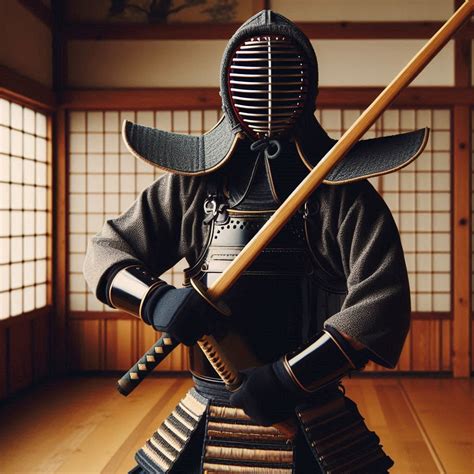
Kendo fighters practicing with shinai
Preserving the traditional craft of bamboo sword making in the face of globalization and technological advancement poses significant challenges. The dwindling number of master craftsmen, combined with a modern preference for mass-produced training weapons, threatens the sustainability of this ancient art. Despite these challenges, the dedication of artisans and the growing interest in cultural heritage among younger generations offer hope for the craft's preservation. Initiatives aimed at revitalizing traditional crafts through education, workshops, and exhibitions are crucial for raising awareness and fostering a new appreciation for bamboo sword crafting.
The crafting and use of bamboo swords vary significantly across Asian regions, each with its unique style and application in martial arts training. For instance, the Japanese Shinai is meticulously crafted for Kendo, embodying the art's precision and discipline. In contrast, the Chinese Jian, though not traditionally made of bamboo, has inspired bamboo versions for Tai Chi practice, focusing on fluidity and grace. This comparative analysis highlights not just the technical distinctions but also the cultural nuances that influence the craft.
The variations in bamboo sword styles underscore the richness of Asia's martial heritage and the deep connection between the art of sword crafting and the philosophical foundations of martial arts. Exploring the regional variations in bamboo sword craftsmanship unveils a tapestry of techniques and traditions. In Korea, for instance, the Jukdo, a bamboo sword used in Kumdo, is crafted with specific attention to balance and flexibility, mirroring the dynamic and powerful nature of Korean martial arts. These regional variations highlight the craftsmanship's adaptability and the artisans' ingenuity in utilizing local resources to preserve their martial and cultural heritage.
Engaging with the art of bamboo sword crafting is becoming increasingly accessible through workshops and learning opportunities worldwide. These educational experiences provide hands-on exposure to the traditional techniques, tools, and philosophies behind crafting bamboo swords. Such workshops not only promote the preservation of bamboo sword crafting but also foster a sense of community among participants. They serve as a bridge between generations, allowing the transfer of knowledge and skills from seasoned artisans to newcomers eager to explore the rich heritage behind their martial arts practice or cultural interests.
Collecting bamboo swords has become a passion for many enthusiasts, who value not only the functional aspects of these weapons but also their aesthetic beauty and historical significance. Proper care and maintenance are crucial for preserving bamboo swords, involving regular cleaning, inspection for damage, and storage in appropriate conditions to prevent warping or deterioration. This growing interest in collecting bamboo swords highlights the broader appreciation for traditional crafts and the desire to preserve them as part of our cultural heritage.
The sustainability of materials and practices in bamboo sword crafting is becoming increasingly important as awareness of environmental issues grows. Bamboo, as a fast-growing and renewable resource, already offers a sustainable alternative to wood and other materials used in weapon crafting. However, sustainable practices extend beyond the choice of material; they also involve responsible harvesting, waste reduction, and energy-efficient production methods. This focus on sustainability resonates with a global audience, aligning the craft with contemporary environmental values while preserving its traditional roots.
Revitalizing interest in bamboo sword crafting requires a global effort, one that embraces cultural exchange and education. International martial arts competitions, cultural festivals, and museum exhibits play a vital role in showcasing the art and tradition of bamboo swords to a wider audience. By promoting bamboo sword crafting through cultural exchange, we can ensure its relevance and survival in a rapidly changing world.
As we traverse the realms of bamboo sword crafting, we uncover a world where tradition and innovation intertwine, creating a vibrant tapestry that spans continents and centuries. This ancient craft, rooted in the martial arts and cultural practices of Asia, continues to captivate and inspire with its blend of artistry, functionality, and symbolism. By engaging with the craft, from the hands-on workshops to the global cultural exchanges, we not only preserve a piece of history but also contribute to its evolution. The future of bamboo sword crafting looks bright, guided by the principles of sustainability and enriched by the diversity of its practitioners and admirers.
Bamboo katana swords mix old and new ideas in Japanese fighting arts. These practice weapons blend old-style sword making with new materials and methods. Bamboo bends and lasts well, making it great for safe practice. Skilled makers carefully pick and shape the bamboo, often using new tech to make it work better. Looking into how bamboo became part of katana design shows an interesting mix of nature and fighting skills. Long ago, Japanese sword makers saw that bamboo could be good for making practice weapons. It bends and lasts well, so it worked well instead of metal blades. The creation of bamboo katanas, called shinai, changed how people practiced old fighting arts.
As you learn about these swords, you’ll see how bamboo’s special features shaped how katanas were made and used. The way bamboo was used in sword making shows how clever old Asian weapon makers were. The use of bamboo in training swords is like the two-part structure of real katanas, with a bendy inside and harder outside. Making bamboo swords takes a lot of skill and know-how that has been shared over many years. Sword makers pick the best bamboo types very carefully, looking at how strong and bendy they are. Bamboo is special in sword making for more than just how it feels. Skilled workers use old tools and ways to shape, smooth, and put together the swords. Learning from experts is a big part of keeping these old ways alive. New sword makers learn not just how to make swords, but also why they’re important in history and culture.
Modern sword-making mixes old skills with new ideas. New ways of heating and shaping the metal have improved how swords are made. Sword designs now look old but work in new ways. People like bamboo handles because they show how sword training connects to nature. Like Japanese sword fittings, bamboo handles make swords look better and work well, turning them into beautiful objects. Bamboo handles make katanas look good, but they do more than that. The future of bamboo in katana design is about comfort and better use, mixing old Japanese skills with new knowledge about bamboo. These features blend strength and bendiness, making bamboo katanas both pretty and useful for training. New users get help from hand guards that fit well and parts that keep them safe while still respecting old ways.
When you look at bamboo katanas, you’ll see how they’ve been carefully made to be strong and work well for hard martial arts practice. Bamboo katanas mean a lot more than just being tools for martial arts practice. These swords carry a deep history tied to Asian fighting styles, standing for respect, self-control, and inner peace. The importance of bamboo katanas shows in how they’re made, highlighting the clever ideas of old Asian craftspeople. When you use these swords, you’re not just finding a safe way to train with full contact, but also linking the past to now. Each bamboo katana is a bit of history, showing the complex meanings and ideas that differ across Asian cultures.
Making bamboo swords is a good way to be kind to the earth in the martial arts world. Bamboo swords are better for the planet than metal ones because bamboo grows back quickly. The people who make these swords use methods that don’t hurt the earth. Many people who collect fighting tools are interested in bamboo katanas. When picking a bamboo katana, think about the blade’s look, how bamboo is used to make it, and if it’s good for practice today. To make sure you’re getting a real one, buy from trusted sellers. You might like old-style bamboo swords or new black bamboo katanas.
Taking good care of your bamboo katana helps it last longer and stay in great shape. Clean it often with soft cloths and mild soap to keep the bamboo looking nice and staying bendy. Kendo, a old Japanese fighting art, uses bamboo swords. It’s well-known for how people fight with these swords, the ways they move, and how they practice against each other. Kendo is a Japanese fighting sport that uses long bamboo sticks instead of real swords. It started as a way for samurai warriors to practice sword fighting without getting hurt. Kendo mixes old sword moves with new ideas. It keeps the spirit of old wooden sword fighting alive while letting people compete against each other. Kendo fighters use a bamboo sword called a shinai. This fighting style focuses on how to cut, handle the sword, and learn about Japanese culture. It comes from old ways of fighting but is still used today. The shinai is made of bamboo to keep people safe while they practice.
A bamboo katana is a training sword that’s good for the environment. It’s made from bamboo, which grows back quickly. The sword is light and strong. It bends easily and can be used with great care. It has deep meaning in history and spirit. As you’ve explored the world of bamboo katanas, you’ve seen how tradition and innovation intertwine. You’ve learned about ancient craftsmanship, modern adaptations, and the cultural significance of these unique swords. You’ve discovered their aesthetic appeal and sustainability benefits. Whether you’re a collector or practitioner, you now understand the care these blades require. Bamboo katanas represent a harmonious blend of past and present, offering a culturally rich and environmentally conscious option in the domain of Japanese swordcraft.
The Japanese shinai isn't a typical bladed sword, but rather a practice sword made of natural bamboo that's used for training. While commonly used in modern-day kendo competitions, the shinai has a long and rich history dating back hundreds of years. It's unknown when exactly the first shinai was created, or who was responsible for inventing it. However, the first recorded use of a bamboo training sword occurred in 16th century Japan, during which samurai warrior Kamiizumi Ise-no-kami Fujiwara-no-Nobutsuna used the shinai in combat school. It's believed that Kamiizumi and other practitioners used the shinai to prevent injury during training. Previously, samurai warriors and martial arts practitioners used real swords and wooden swords during training, which often resulted in bodily injury. Using a bamboo sword like the shinai prevented such injuries from occurring.
The shinai has evolved over the years, with the modern version featuring four slats of bamboo that are tied together. This design helps to minimize the force of blows. When a practitioner hits an opponent with the shinai, the four slats flex while equally distributing the force over time. Martial arts experts who use the shinai say the worst injuries that occur with the shinai are bruises, and even those are few and far between.
Shinai Maintenance
Like traditional, functional swords, the shinai requires regular maintenance and care. This includes inspecting the practice sword for structural cracks and breaks. If a crack forms in the bamboo, it could cause splintering. Not only is this bad for the shinai, but it also increases the risk of bodily injury. The shinai should be placed on the floor or propped vertically against a wall when not in use. When the shinai is stored on the floor, no one should walk or step over it, as this is considered poor etiquette. There's no tangible benefit to storing a shinai in this manner. Rather, kendo practitioners teach students to treat the shinai as a real weapon.
If you're interested in buying a shinai, there are several things to consider:
- Intended purpose: when using a shinai in kendo competitions, it must meet the FIK regulations.
- Length: it's a good idea to choose a shinai in an appropriate length for your body. Kendo students who are tall may prefer a longer shinai. However, you'll need to ensure the length complies with the FIK regulations if using the shinai in kendo competitions.
- Weight: a lighter shinai is recommended for beginners, as it's easier to handle than a heavier type. Again, weight is also governed by the FIK regulations for kendo.
- Bamboo quality: consider the quality of bamboo used in the shinai's construction.
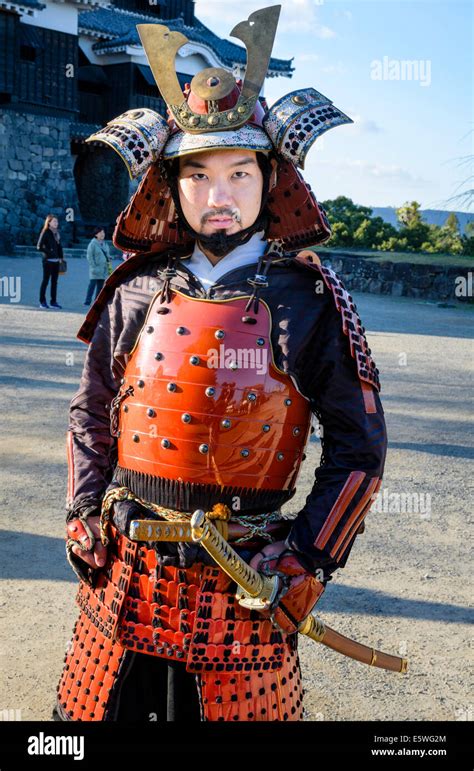
Samurai armor
Still, today, their legend continues. traditions of the metal. samurai. Can modern science uncover its secrets? For each of us, there is a moment of discovery. human element to the equation, everything changes. illuminates chemistry. And by David H. contributions to your PBS station from viewers like you.
Here's a suggested video topic: