In the world of boxing, stance is crucial for generating power, speed, balance, and mobility. It's not just about how you stand; it's the foundation of your defense and strategy. Choosing the right boxing stance can significantly impact your game, especially for beginners. The two primary stances that dominate the ring are Orthodox and Southpaw. Both have unique strengths, challenges, and strategic advantages.
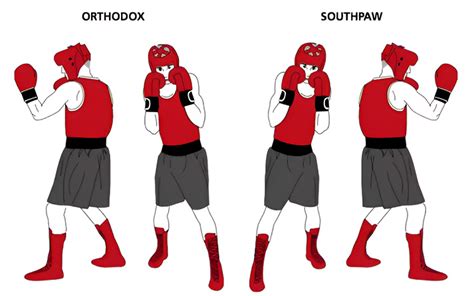
Orthodox and southpaw are two different footwork stances in boxing that are distinguished by their dominant hand and foot positioning. In the orthodox style, the left foot is at the front, while the right foot and arm are at the back. Southpaw refers to the stance that best suits left-handed people. Deciding between an orthodox or southpaw stance depends on the fighter’s comfort level, natural preference, and strategy, rather than one being better than the other.
Let's delve into the details of each stance, examining their characteristics, advantages, and disadvantages.
Truth About Right Handed Southpaws Most Boxers Don't Know!
Understanding the Orthodox Stance
The Orthodox stance is the traditional boxing stance, commonly chosen by right-handed individuals. With your left foot leading and your right foot trailing, your right hand becomes the powerhouse behind your punches. This punch, often called the 'power punch', plays a significant role in asserting your dominance in the ring.
Orthodox stance is all about positioning and precision. To position yourself in this stance, your left hand and foot lead the charge, setting up a strong foundation for defence and quick jabs. Behind them, the right hand and foot are locked and loaded, ready to deliver a thunderous cross. This stance combines offence and defence perfectly, making it critical for boxing fundamentals.
Read also: Is Southpaw Brewing Worth the Hype?
Key features of the Orthodox boxing style techniques include:
- Right Cross: The backhand is the star of the show in Orthodox stance. Positioned at the rear, it builds momentum and delivers punches that rock the opponent.
- Left-Hand Agility: The left hand is responsible for delivering strong jabs. It also serves as your first line of defence, parrying incoming strikes and keeping control over the distance.
Many famous and successful boxers are known for their Orthodox stance. Names like Floyd Mayweather Jr. and Gennady Golovkin stand out. They have brilliantly showcased the strengths of this stance, making a remarkable impact on the sport.
Advantages and Disadvantages of Orthodox Stance
The Orthodox stance holds several advantages due to its widespread use in the boxing world. It is more likely for coaches to be well-experienced in training Orthodox fighters, given its commonality. Additionally, there's a plethora of training resources and materials available catering specifically to the Orthodox stance. Plus, due to the abundance of Orthodox fighters, finding sparring partners for practice won't be an issue.
However, this stance's prevalence can also pose a challenge. Most fighters are accustomed to facing opponents with an Orthodox stance, meaning they are well-prepared to counter standard Orthodox techniques, which can make your moves somewhat predictable.
Understanding the Southpaw Stance
The Southpaw stance, often considered the Orthodox stance's mirror image, involves leading with your right foot, positioning your left foot behind, and using your left hand for power punches.
Read also: Southpaw Casting Studios: Is It Worth It?
Southpaw stance flips the conventional setup with its unique positioning. To set up your stance, your right foot and right hand take the lead, taking charge of the range and setting the attacks. The left hand and left foot are positioned at the back, ready to unravel devastating crosses and hooks. This reversal of roles caters to left-handers specifically and forces most Orthodox opponents to adapt to an unfamiliar fighting style, snatching their edge.
Key features of the Southpaw stance include:
- Strong Left Cross and Jab: The left hand in the Southpaw stance is a pure powerhouse which helps deliver explosive crosses that can easily turn the tide of a fight. Combined with precise jabs, it becomes a dual-threat weapon which keeps opponents at bay while unleashing furious combos.
- Emphasis on Angles and Creativity: Southpaw fighters are masters of creating angles. They position themselves slightly off-centre from the Orthodox opponents so that they can exploit openings and land punches from unanticipated directions.
Legendary Southpaw boxers such as Marvin Hagler and Manny Pacquiao have become synonymous with this stance, demonstrating extraordinary skill and power in their respective careers.
Advantages and Disadvantages of Southpaw Stance
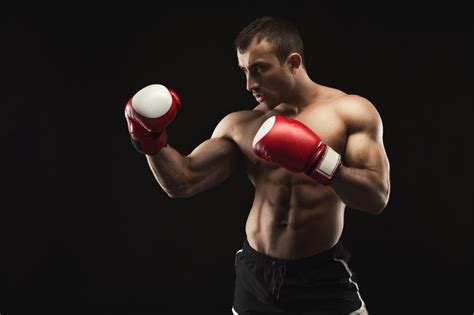
Though Southpaws are less common, they enjoy certain unique advantages due to this scarcity. As they are comparatively rare, Southpaws often have the element of surprise against opponents who may not be as experienced or comfortable competing against left-handed fighters. This can offer Southpaw boxers an edge in the ring, as their opponents might struggle to anticipate and counteract their mirrored movements and punches.
However, the Southpaw's rarity also implies fewer training resources, experienced coaches, and suitable sparring partners, which could present challenges in the learning phase.
Read also: Comprehensive Clinic Review
Key Differences Between Orthodox and Southpaw Stances
The Orthodox stance vs. Southpaw stance is a debate that represents two distinct approaches. Understanding the key boxing stance differences is inconsequential to help fighters outsmart their opponents.
The difference between these stances lies in which leg the boxer puts in the front. For the Southpaw stance, the boxer puts his right leg into the front. However, the right hand will become the jab hand, and the left hand will become the power shot hand. Orthodox stance is reversed, where the boxer puts his left leg into the front, making the left hand the jab hand and the right hand the power shot hand.
Here's a breakdown of the key differences:
- Dominant Hand Usage: The most obvious difference is the power hand in Orthodox vs. Southpaw, determining the hand which takes the lead and the one which delivers power.
- Angles of Attack: Southpaw fighters often have the upper hand due to their ability to position themselves slightly off-centre from their Orthodox counterparts.
- Common Combinations: Both stances have signature punch combinations which further highlight their differences.
Southpaw fighters in martial arts use their stance to create awkward angles that orthodox fighters are less prone to, often gaining a better position for landing punches. This is due to the southpaw’s tendency to keep their lead right foot outside the orthodox fighter’s left foot.
The punch dynamics differ between the two stances, mainly due to their dominant hand. Orthodox fighters use their right cross as their primary power punch, while southpaws rely on their left cross. Orthodox includes the blocking and slipping punches from a similar stance. However, when facing a southpaw, their defensive efficiency drops as they adjust to punches from different angles, especially the left cross.
Southpaws are often considered more difficult to fight because their angles and techniques are less familiar to most fighters. Fighters that stand in the southpaw stance present a wide array of problems for orthodox fighters.
Southpaw fighters gain considerable leverage from their rarity. Southpaws, being rarer and having a reversed stance, bring an element of surprise to the ring.
Advantages and Challenges of Fighting Against Each Stance
Facing an Orthodox or Southpaw brings its own sets of opportunities and obstacles. Here is a breakdown of the challenges and advantages for each matchup so that you enter the ring fully prepared.
Facing an Orthodox Fighter
Orthodox stance is the most commonly encountered which poses certain advantages for the Orthodox fighters and disadvantages for the Southpaw fighters. Fighting against Orthodox fighters makes the fight predictable and familiar. Since they train extensively against others in the same stance, it is easier to anticipate the next move and counter it. The shared style reveals the common strategies that give a solid edge to the opponent.
At the same time, the Southpaw fighters find themselves at a disadvantage as they have to deal with consistent jabs. This usually catches the Southpaw off guard, leaving them flummoxed.
Facing a Southpaw Fighter
When fighting Southpaw opponents, Orthodox fighters struggle with the element of surprise. This becomes a struggle for them because they are less accustomed to their positioning and attack, giving the Southpaw a strategic advantage. Plus, they attack from unexpected angles.
When it comes to the challenges faced by Orthodox fighters while facing a Southpaw, it begins with the opposite stance which requires them to constantly shift their tactics. The foot position, distance control, and punch angles all need adaptation which throws them off their game. Southpaws excel at counterpunching which becomes another point of concern for Orthodox fighters. They perfectly utilise their angles and timing to punish Orthodox fighters for every single misstep.
The majority of fighters are right-handed or stand in an orthodox stance. Their training partners will generally also stand in an orthodox stance to make it easier for them to learn their fundamentals. Everything is reversed from what they were taught fighting other right-handed fighters from the movement, blocks, and punches. This gives fighters that stand in the southpaw stance a great advantage over their orthodox opponents.
Southpaw fighters are in the minority in combat sports, which actually gives them a huge advantage over orthodox fighters. This time practicing against right-handers gives southpaws a huge advantage when it comes to a fight.
The following table summarizes the key aspects of orthodox and southpaw stances and their matchups:
| Aspect | Orthodox Stance | Southpaw Stance |
|---|---|---|
| Stance & Alignment | Left foot forward, right foot back. The left hand leads, and the right hand is the power punch. | Right foot forward, left foot back. The right-hand leads, the left hand is the power punch. |
| Dominant Hand | Right-handed fighters dominate this stance. | Left-handed fighters dominate, though right-handers sometimes switch. |
| Footwork Emphasis | Predominantly circles to the left (clockwise) to evade and control distance. | Predominantly circles to the right (counterclockwise) to create angles and attack. |
| Foot Position Control | 70% success vs. orthodox | 55% success vs. orthodox |
| Angle Advantage for Punches | Neutral vs. orthodox | 20% higher effectiveness vs. orthodox |
| Orthodox Sparring Rate | 80-90% | 70-80% |
| Preparedness for Stance | Moderate vs. southpaw | High vs. Orthodox |
| Win Rate in Matchups | 50% vs. orthodox | 13-20% higher vs. orthodox |
Let's talk a little bit about the history of the term southpaw.
Some believe that the term southpaw didn’t come from boxing, but was actually coined in the sport of baseball. Stadiums were constructed so that the batter faced east to avoid the bright afternoon sun. Not every baseball historian believes this origin story with many believing that it’s too simplistic.
It contradicts the original origin story as the term southpaw was connected to a first baseman and not the pitcher. Former player and Boston Globe columnist Tom Murnane said a writer friend St. Some other baseball historians pointed out that the term southpaw wasn’t even created within baseball.
There is a political cartoon from 1848 that may be one of the first times the term southpaw was used. Democratic presidential candidate Lewis Cass is standing above Fillmore.
In modern times, it really doesn’t matter what the true origin of southpaw came from.
How to Choose the Right Stance for You
Selecting the right boxing stance for you is a crucial decision in your boxing journey. It determines how you move, defend, and strike. There are several factors that influence this choice, but finding the right stance that suits your natural abilities and comfort level is imperative. Let’s explore how you can do that:
- Natural Hand Dominance: It is important to remember that your dominant hand determines your stance.
- Comfort and Strength: Comfort is significant to consider when choosing a stance. It should be comfortable enough to enhance your performance rather than hinder it.
- Adaptability: Adaptability refers to the art of switch-hitting. Some fighters go beyond choosing a single stance and embrace this technique which involves switching between the Orthodox and Southpaw stance amid a fight.
- Coaching Input: Expert guidance must always be treasured. Professional advice from a coach or a trainer can be effective as they can analyse your abilities, strengths and weaknesses and recommend a suitable stance for you.
The decision between picking a southpaw or orthodox fighting stance goes beyond left or right-handedness. It is about understanding your natural strengths, your ability to manage distance, and how you intuitively move in the ring.
While orthodox fighters adopt a classic approach, it can still be challenging to navigate for a less experienced Southpaw. The steady, well-practised combinations of Orthodox fighters require a robust defensive strategy.
Orthodox fighters are usually more predictable but maintain a balanced approach with strong jabs and combinations. Whether you’re an orthodox or southpaw fighter, Infinitude Fight offers premium customized boxing gear to enhance your performance, including custom boxing gloves, head guards, mouthguards, and more. With our custom boxing gear, you can excel in your stance techniques and personalize your equipment for the perfect fit and style.
Southpaws are often considered more difficult to fight because their angles and techniques are less familiar to most fighters. Fighters that stand in the southpaw stance present a wide array of problems for orthodox fighters.
Yes, you can switch comfortably between the stances to be more comfortable and dominating.