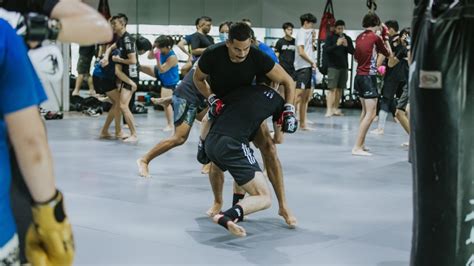
The global MMA sports gear market is experiencing rapid growth, valued at USD 1.33 billion in 2023, and projected to reach USD 1.99 billion by 2032. This surge is fueled by the increasing popularity of UFC, One Championship, IMMAF, WAKO, and other global promotions. With the rise of MMA, ensuring safety and protection during training and sparring is more critical than ever. This guide will walk you through essential boxing and MMA gear, focusing on top brands and equipment categories to help you perform at your best.

Top Brands in UFC Boxing Gear
When it comes to UFC boxing gear, several brands stand out for their quality, durability, and performance. Here are some of the most reputable brands in the market:
- Ringside: Known for their popular boxing gloves designed for bag work, sparring, and competition.
- Windy: Offers a range of high-quality boxing equipment and apparel.
- Fairtex: Renowned for their premium gloves and protective gear.
- Combat Sports: Provides a variety of training equipment and apparel for combat sports.
- Contender Fight Sports: Delivers reliable and affordable gear for fighters of all levels.
- Heritage: Focuses on traditional craftsmanship and durable materials.
Essential Boxing Gear for Beginners
Do you want to start boxing? Are you a boxing beginner and looking for advice on clothing and equipment to use? To perform at your best in training and competition, boxing equipment is very important, but it is not so important to choose the absolute best, but the one that best suits your needs. If you have never punched before, don't spend more than 45-50 euros for a pair of Boxing gloves. Everything in its own time.
Here is a list of basic boxing equipment requirements for beginners:
- Boxing Gloves: The following may be used during sparring (training) Boxing gloves 12, 14, 16 and 18 Oz. During official amateur competitions, however, only the Boxing gloves 10's Oz, or in certain categories of professional boxing the 8 Oz.
- Hand Wraps: Hands are particularly susceptible to injury, so it is good to protect them as best as possible. Under gloves it is very useful to wear bands, or alternatively undergloves. They give greater protection to the hand, particularly the wrist at the carpus and metacarpus, and also allow you to avoid the sweat that forms when wearing the Boxing gloves.
- Helmet: It is a very important protection to protect the head from the blows of opponents. In boxing, helmets should always be used even during training. They can have chin guards and chin guards, or they can be open.
- Mouthguard: This guard protects the jaw from blows from opponents. It is one-size-fits-all, in that it fits the athlete's mouth (usually through the so-called "Boil and Bite" procedure). It can be single or double arched, and is indispensable during training and official fighting.
- Groin Guard: This protection should be placed in the genital areas of the body to protect them from accidental blows. There is a men's and women's version.
- Tank top and Shorts: Tank top e Shorts specific to boxing. The material is different from that used for common gym clothing, as is the design. The shoulders are uncovered and the Tank top falls softly over the body, is lightweight and facilitates movement.
- Shoes: Special boots are used in boxing to protect the instep, ankle and joints.
- Chest Guard: I
- Bag Gloves: They are used only for bag training; they are particularly curved and keep the hand in the most appropriate position for punches.
- Sack: Used for training alone either at home or in the gym, it can have different weights and lengths, and should be chosen according to one's body weight and experience.
- Rope: Rope is essential for the boxer; he uses it mainly in pre- and warm-up.
Understanding MMA Gloves
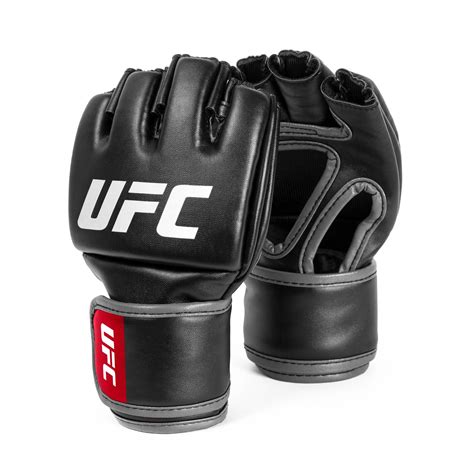
MMA gloves are the highest-demand category in combat sports. Organizations like UFC and IMMAF require approved gloves, so every serious athlete needs compliant pairs. Moreover, the fact that gloves wear out within 6-12 months, and you have one of the most consistent revenue drivers in the entire mixed martial arts gear category.
Read also: Delving into Cruiserweight Boxing
Selecting the right size boxing glove is usually dependent upon your weight. Selecting a size will vary between glove style and manufacturer. To measure: Take a tape measure and wrap around the circumference of your hand over the knuckles.*Measurement is in inches. Measure circumference around knuckles/hand.
Types of MMA Gloves:
- Sparring Gloves: These provide protection with extra padding, and fighters use them in controlled partner training, allowing them to have realistic striking practice. Moreover, they are not just limited to sparring; they are also great for bag and mitt work.
- Grappling Gloves: Thanks to extra padding, these gloves provide knuckle protection for striking while keeping hands free for grapples and holds. Fighters also use them in MMA training sessions for fighting and striking, making them versatile.
- Training Gloves: These are all-purpose gloves for bag work, mitt drills, and daily gym sessions that are durable and versatile for frequent use. They have strong padding to protect the hands and wrist while absorbing heavy impact from repeated strikes.
- Competition-Approved Gloves: These gloves are designed to meet strict regulations set by organizations like UFC and IMMAF, which are mandatory for sanctioned fights.
UFC Pro Washable Bag Glove:
Do you need a top quality boxing glove that is also easily sanitized between use? The UFC Pro Washable Bag Glove allows users to comfortably train in a clean glove while also keeping hands fully protected with superior shock absorption padding. The UFC Pro Washable Bag Glove is made for the athlete looking for an easily sanitizable, quick drying glove with optimum safety. It is constructed from an easy-clean neoprene with rubberized backing exterior. It comes in two sizes: S/M and L/XL.
To get the proper fit:
Read also: Comparing UFC, Boxing, and Wrestling
- You’ll want to get a tape measure and go around the circumference of your hand.
- To measure, wrap the tape measure around your hand over the knuckles.
- If you measure between 7.5" - 8.75" then go with S/M.
What Value MMA Gloves Offer for Gyms?
- Adding federation-approved gloves reinforces your gym’s status as a serious training facility and increases its credibility.
- Proper sparring and training gloves keep members safe, satisfied, and loyal.
- You can sell gloves directly to members and add an extra revenue stream for your gym.
What Value MMA Gloves Offer for Retailers?
- Gloves are the most purchased MMA item, with strong year-round demand.
- They need replacement after every 6-12 months, which ensures ongoing sales.
- You can pair them with hand wraps, protective gear, and apparel to increase basket value.
What oz gloves should I use? How to Pick Boxing Glove Weight
The Importance of Punching Bags
Enter any boxing or MMA gym, and you’ll likely see a row of heavy bags. Training with heavy bags requires wearing boxing or MMA gloves to protect the hands, knuckles, and wrists from repetitive strikes and knockout punches. MMA punching bags are one of the core training essentials in combat sports. Since every gym requires multiple bags for striking, kicking, and endurance drills, they represent a consistent ROI opportunity.
They are a dependable revenue driver with a replacement cycle of 12-18 months, especially in high-traffic commercial gyms.
Types of MMA Punching Bags:
Read also: BJJ vs. Boxing: Which is Better?
- Training Punching Bags: These are the most common punching bags found in MMA or boxing gyms. They are durable, cylindrical bags designed to handle powerful strikes, kicks, and combinations. Every gym requires multiple heavy bags, and these are staples for retailers and distributors.
- Freestanding Punch Bags: It is built with a weighted base instead of chains and are portable. They are perfect for gyms with limited space or home users who can’t install ceiling mounts.
- Angle and Uppercut Bags: These punch bags are designed with sloped edges and angled surfaces, which allow fighters to practice hooks, uppercuts, and angled strikes more realistically.
- Maize Punch Bags: These are classic training tools designed primarily for defensive practice, head movement, and upper body agility. Unlike heavy bags, they swing more freely, forcing fighters to slip, duck, and counter with precision. It is popular among advanced fighters, boxing-focused MMA gyms, and facilities with limited space.
- Aqua Punch Bags: They are usually filled with water and provide a unique feel and superior shock absorption compared to traditional bags. They reduce strain on the joints while giving a more realistic training session. Their growing popularity comes from both gym and home users looking for joint-friendly training options.
- Speed Bags and Platforms: They are small, fast rebounding bags mounted on adjustable platforms and are used to improve timing, hand-eye coordination, rhythm, and endurance. They are a must-have in combat sports gyms and are also popular with fitness enthusiasts who want boxing-style conditioning workouts.
- Double-End Bags: They are suspended between the floor and ceiling with elastic cords, and they unpredictably simulate an opponent’s movement. Fighters use them to sharpen accuracy, reflexes, and defensive head movement. They are highly valued in MMA training as they teach both offense and defense.
- Kids MMA Punch Bags: These bags are specially designed to be lighter, smaller, and safer than adult bags and allow young athletes to train without injury. With the rapid growth of MMA worldwide, kids’ punching bags are in rising demand among parents, gyms, and academies.
- Accessories: The essential MMA add-ons make the training functional, safe, especially for punching bags. These include wall brackets, hook chains, ceiling hooks, and bag straps that ensure stability and durability. It is high in demand because gyms and home users need them when purchasing new bags or replacing the worn-out parts. Retailers can naturally bundle these low-cost, high-margin items with equipment.
What Value Punching Bag Offers for Gyms?
- Heavy bags, speed bags, and double-end bags are essential for daily training and are the core for striking drills.
- Multiple bag types create a professional training environment that attracts both beginners and professional fighters to your gym.
- You can expand your member base by offering kid-specific bags to support youth programs.
What Value Punching Bag Offers for Retailers?
- It is a high-volume sales driver since gyms need several bags per facility.
- It has a Wide range of options (heavy bags, freestanding, aqua, kids) that appeal to diverse customer profiles.
- You can offer accessories and bundling opportunities with excellent margins.
- The 12-18 month replacement cycle allows steady repeat purchases from gyms and home users.
Coaching Equipment
Coaching equipment is at the heart of fighter development, as it offers more interactive, realistic sessions between coaches and athletes. It allows fighters to improve accuracy, timing, defense, and power through guided training.
Types of MMA Coaching Equipment:
- Focus Mitts: These are essential for improving precision, speed, and striking combinations. Coaches use them to simulate real fight scenarios while helping fighters sharpen accuracy and timing. It is high in demand as every coach or gym owns multiple pairs due to constant wear and tear.
- Kicking Shields: They are designed with dense padding to absorb powerful kicks, knees, and strikes. Moreover, shields help in building strength and proper technique in MMA, Muay Thai, and kickboxing. Its demand is growing rapidly due to the rise of kick-heavy disciplines and offers high margins for gyms and academies.
- Thai Pads: These are versatile tools for practicing kicks, elbows, punches, and knees. They provide durability and shock absorption, making them indispensable in MMA and especially in Muay Thai training. It is standard equipment for MMA gyms worldwide.
- Chest Guards: They protect trainers from body shots, kicks, and knee strikes during intense pad sessions. Additionally, coaches use them to train fighters longer and harder without risk of injury. The demand is increasing as gyms are emphasizing safety for trainers as much as fighters.
What Value Does Coaching Equipment Offer for Gyms?
- Focus mitts, Thai pads, and shields allow realistic, coach-led training, helping to build skills.
- Coaches can train fighters longer and harder with proper protective gear.
- Having a full set of coaching gear improves professionalism and attracts serious fighters.
What Value Does Coaching Equipment Offer for Retailers?
- It is a high-demand item across gyms, academies, and individual coaches.
- The focus mitts and shields wear out quickly, which drives repeat sales.
- You can cross-sell them with gloves, shin guards, and apparel.
MMA Training Equipment
MMA training equipment is necessary for building strength, conditioning, and flexibility, which every fighter needs outside of sparring.
Types of MMA Training Equipment:
- Jump Ropes: These are a timeless tool for building cardio endurance, footwork, and agility, all critical for MMA fighters. They’re lightweight, affordable, and versatile for warm-ups or conditioning sessions. They are in high demand both in gyms and retailers as they pair well with gloves or fitness bundles.
- Pull Up Bars: These are used to develop upper-body strength, grip, and core stability, making them a staple in MMA training supplies. They’re popular for both gym installations and home users. It is high in demand, especially after the pandemic, with an increase in home fitness growth.
- Fitness Sandbags: These are versatile training tools for strength, endurance, and explosive movements. Fighters use them for carries, slams, squats, and dynamic drills. It is in demand beyond MMA including CrossFit and general fitness markets.
- Leg Stretchers: They help fighters improve flexibility, range of motion, and kicking technique. They’re particularly important in MMA, kickboxing, and Muay Thai training. It is a great product for martial arts schools and MMA retailers.
What Value Training Equipment Offers for Gyms?
- It supports conditioning programs that improve sparring and fight performance.
- It is affordable, easy-to-stock items for daily gym use.
- A diverse range of tools meets the needs of both beginners and advanced athletes.
What Value Training Equipment Offers for Retailers?
- MMA protective gear is always in high demand as it is mandatory for both safe training and competition.
- Retailers and gyms can get a strong ROI from these items since every fighter needs multiple pieces, required by fighting organizations for safety, and they need frequent replacements, which leads to repeat purchases.
MMA Protective Gear
With optimal versatility and unbeatable comfort and support, training gloves are a main component of an essential MMA gear collection. Sparring gloves are composed of multi-layered foam padding for cushioned support to absorb impact and protect the hands, knuckles, and wrists. Individual heavy bag training doesn’t typically require the need to wear headgear. However, for sparring sessions and full-contact drills, you’ll want to keep the head comfortably protected without compromising your sight line. Protect the jaw and teeth against injury by wearing a mouthguard when training, especially when performing drills with a coach or sparring partner. Keep the shins safe by guarding against kicks that can lead to excessive bruising, discomfort, and injury. MMA training gear protection extends to the chest and groin areas. For similar coverage and flexibility for the lower half, spats and shorts keep it easy to move around with enough stretch and support for high-intensity workouts.
Types of MMA Protective Gear:
- Hand Wraps & Inner Gloves: These are worn under gloves to support wrists and knuckles, reducing injury risk during sparring and bag work. It is used by fighters for both training and fights. They offer a great upsell opportunity, especially with gloves.
- Headgear: These protect fighters from cuts, bruises, and concussions during sparring. Headgear is essential in amateur competitions, in gyms and youth programs.
- Mouth Guards: They protect teeth, jaw, and gums against impact. These are consistently high in demand since every fighter needs a personal mouth guard.
- Chest Guards: They shield the torso and ribs during sparring or pad training. It is growing in demand for fighter safety and retailers can bundle with coaching gear like mitts and pads.
- Groin Protectors: These guards protect against accidental low blows, which are common in MMA. Groin protectors are mandatory for fighters in both amateur and pro competitions.
- Knee Wraps: They provide joint support and injury prevention during striking, grappling, and conditioning work. It is an affordable add-on product with repeat purchases due to wear.
- Shin Guards: MMA leg pads protect against bruising and fractures during sparring, particularly in kick-heavy training. The demand for shin guards is high, especially in gyms where multiple pairs are needed for classes.
What Value Protective Gear Offers for Gyms?
- It enhances member safety and reduces injury risks during sparring.
- It is essential for compliance with amateur competitions and youth programs.
- Stocking gear like wraps, shin guards, and headgear boosts professionalism and credibility.
- It provides opportunities to sell gear directly to members for extra revenue streams.
What Value Protective Gear Offers for Retailers?
- It is consistently in demand since every fighter needs multiple.
Additional Tools for MMA Training
Reflex balls are a small but mighty MMA tool that helps fighters develop their technique and improve core boxing skills, such as hand-eye coordination, rhythm, and focus.
The Choice of Champions
These aren’t just athletes. They’re scientists of combat. And their glove selection? Here’s what the casual fan might not realize: not all fight gloves are created equal. Professional UFC fighters operate in a world where marginal advantages compound into dominance.
When someone of Jones’s stature - widely considered the greatest fighter ever to step into the Octagon - tests new gear and finds it restricts his movement and comfort, the entire sport listens. If Tom Aspinall, Islam Makhachev, and the world’s elite are choosing specific brands, there’s a reason.
Professional boxers like Floyd Mayweather, the Klitschko brothers, and countless title holders worldwide wear Winning. Why? Because at the highest levels of combat, the marginal gains matter. For 75+ years, Cleto Reyes has been the preferred choice of legends.
Professional boxers wearing Everlast at the elite level include Miguel Cotto, Andre Ward, Nonito Donaire, and Deontay Wilder. The UFC’s dominant lightweight champion has partnered with Venum for his official fight gear, including custom fight shorts in white with Dagestani-inspired graphics. The interim heavyweight champion’s career trajectory speaks volumes about preparation and equipment.
When you’re knocking opponents out in under a minute, your hand protection needs to be bulletproof. This is where Paragon Elite Fight enters the conversation. When you’re running a global e-commerce platform dedicated to combat sports gear, you’re not selling products - you’re enabling performance.
The fighters featured in this article - Aspinall, Makhachev, Topuria, Chimaev, Muhammad, and hundreds of others - they don’t compromise. Quality in this space isn’t abstract. It’s tangible. Professional fighters understand this calculus intuitively. They know that a $50 pair of gloves that fails mid-fight can cost them millions in endorsements, championship opportunity, and career trajectory.
The fighters featured in this article made their choices based on one principle: performance. Not marketing. Not convenience. The story of professional fight gear isn’t about brands or pricing. It’s about trust built through performance. They’ve chosen their gloves. They’ve chosen their armor.
Key Pillars of Choosing MMA Gear
When selecting MMA gear, consider these critical factors:
- Safety and Compliance: Ensure gear meets safety standards and complies with regulations set by organizations like UFC and IMMAF.
- Durability and Material Quality: Opt for high-quality materials that withstand rigorous training and competition.
- Usability and Comfort: Choose gear that allows for a full range of motion and provides a comfortable fit.
- Marketability and Brand Trust: Select reputable brands known for their quality and performance.
- Price-to-Quality Ratio for Bulk Orders: Evaluate the cost-effectiveness of gear, especially when purchasing in bulk for gyms or retail stores.
Additional KPIs to Track
- Sales Volume: Monitor the quantity of MMA gear sold over a specific period.
- Customer Satisfaction: Measure customer feedback and reviews to assess satisfaction levels.
- Return Rate: Track the percentage of returned items to identify potential quality issues.
- Inventory Turnover: Analyze how quickly MMA gear is sold and restocked.
- Profit Margin: Calculate the profitability of MMA gear sales.