The Ultimate Fighting Championship (UFC) has transformed from a fringe spectacle into a mainstream sports phenomenon. The Ultimate Fighting Championship stands at the center of this transformation, drawing millions of viewers worldwide. The promotion launched in 1993 as a controversial no-holds-barred fighting competition.
Understanding who controls this combat sports empire requires examining a complex ownership structure that has evolved significantly over recent years. Let's delve into the history of UFC ownership, from its humble beginnings to its current status as a global sports empire.
America's Most Savage CEO: Dana White
Early Days and Initial Ownership
The UFC was founded by businessman Art Davie and Brazilian martial artist Rorion Gracie. Art Davie proposed to John Milius and Rorion Gracie an eight-man single-elimination tournament called "War of the Worlds". It was inspired by the "Gracies in Action" video-series produced by the Gracie family of Brazil which featured Gracie jiu-jitsu students defeating martial artists of various disciplines such as karate, kung fu, and kickboxing on Vale Tudo matches.
WOW Promotions and SEG produced the first event, later retroactively called UFC 1, at McNichols Sports Arena in Denver, Colorado on November 12, 1993. It proposed to find answers for sports fans' questions such as, "Can a wrestler beat a boxer?" As with most martial arts at the time, fighters typically had skills in just one discipline and little experience against opponents with differing skills.
In April 1995, after UFC 5, Davie and Gracie sold their remaining interest in the UFC to the Semaphore Entertainment Group and disbanded WOW Promotions.
Zuffa Era: The Fertitta Brothers and Dana White
After the long battle to secure sanctioning, SEG stood on the brink of bankruptcy, when Station Casinos executives Frank and Lorenzo Fertitta and their business partner Dana White approached them in 2000, with an offer to purchase the UFC. In January 2001, under the new ownership of Zuffa, LLC and guided by the leadership of owners Frank Fertitta III, Lorenzo Fertitta, and Dana White, the UFC brand restructured MMA into a highly organized, sanctioned and controlled combat sport.
Lorenzo and Frank Fertitta recognized the promotion’s potential despite its troubled reputation. They formed Zuffa LLC and installed Dana White as president. Together, they implemented comprehensive rules, established weight classes, and secured state athletic commission approval. The Fertitta brothers invested over $40 million before achieving profitability.
UFC programming is broadcast in over 165 countries and territories, via more than 60 global broadcast partners, to more than 1.1 billion TV households worldwide in over 40 different languages. Throughout the years, UFC has consistently strived for the highest levels of safety and quality in all aspects of the sport. In a further commitment to the health and safety of its athletes, UFC partnered with the United States Anti-Doping Agency (USADA) to launch an historic and comprehensive anti-doping program in July 2015. Beginning July 2015, UFC introduced the first-ever Athlete Outfitting Policy and UFC Fight Kit.
Reality show The Ultimate Fighter premiered in 2005, introducing casual audiences to the sport and its athletes. UFC 40 proved to be the most critical event to date in the Zuffa era. The event was a near sellout of 13,022 at the MGM Grand Arena and sold 150,000 pay-per-view buys, a rate roughly double that of the previous Zuffa events.
Dana White assumed the presidency when UFC struggled for legitimacy and financial stability. His aggressive promotion style, willingness to take risks, and understanding of entertainment value transformed the organization. White’s compensation reflects his importance to the organization. He earns approximately $20 million annually as CEO. His 9 percent ownership stake, valued in the hundreds of millions, provides long-term wealth accumulation beyond his salary.
Acquisition by WME-IMG (Endeavor)
In July 2016, WME-IMG led an investment group that purchased UFC for $4.025 billion. The transaction set a record as the largest acquisition in sports history at that time. The buyers included Silver Lake Partners, Kohlberg Kravis Roberts, and MSD Capital. Endeavor brought Hollywood expertise and global connections to the organization.
Stories about a possible sale have surfaced over the last two months, but each time the purported deals collapsed. This time, though, the papers were signed Saturday, the station says. The price makes it the largest single deal in the history of sports, KLAS sources close to the situation say.
People familiar with the deal tell KLAS Lorenzo Fertitta will remain as UFC chairman of UFC for 6-8 weeks during the transition but will then step down. Mixed martial arts has transformed from a fringe spectacle into a mainstream sports phenomenon.
TKO Group Holdings: Merger with WWE
TKO Group Holdings currently owns and operates the Ultimate Fighting Championship. This parent company emerged from a landmark merger between UFC and WWE that closed in September 2023. Endeavor Group Holdings maintains the majority position in TKO, controlling 59 percent of the company as of February 2025. The remaining 41 percent belongs to other shareholders, including institutional investors and former WWE stakeholders.
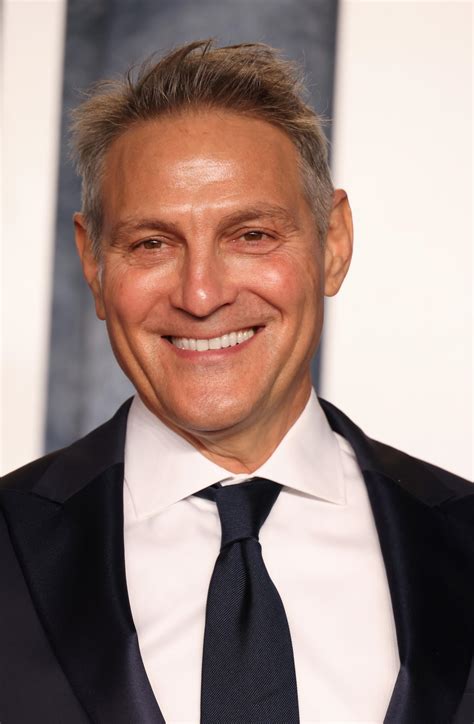
The merger between UFC and WWE created one of the most valuable sports and entertainment companies globally. Announced in April 2023 and completed that September, the deal combined two dominant forces in combat sports entertainment. Ari Emanuel serves as CEO of both Endeavor and TKO Group Holdings. Mark Shapiro holds the position of President and Chief Operating Officer. Dana White transitioned from UFC president to CEO while maintaining his president title. Nick Khan continues as WWE president.
UFC was valued at $12.1 billion in the 2023 merger agreement. The new entity went public on September 12, 2023 and is listed on the New York Stock Exchange (NYSE) under the symbol "TKO".
Silver Lake Partners acquired Endeavor in a take-private transaction, removing it from public markets. Despite this, TKO remains a separate entity with its own governance structure.
Current Ownership Structure (2025)
- Endeavor Group Holdings: 59%
- Other Shareholders: 41% (including institutional investors and former WWE stakeholders)
- Dana White: Approximately 9%
| Owner | Percentage |
|---|---|
| Endeavor Group Holdings | 59% |
| Dana White | 9% |
| Other Shareholders | 41% |
Revenue and Growth
UFC generated $1.406 billion in revenue during 2024, representing a 13 percent increase from the previous year. TKO Group Holdings reported total revenue of $2.804 billion for the full year. Media rights represent the largest revenue stream. The organization signed a groundbreaking seven-year, $7.7 billion agreement with Paramount Skydance in August 2025. This deal begins in 2026 and moves away from the traditional pay-per-view model.
Live event revenue increased 34 percent in recent reporting periods. Higher ticket prices, increased attendance, and substantial site fees from host cities contributed to this growth. International markets, particularly in the Middle East and Asia, generate increasing portions of total revenue.
Strategic Moves and Future Opportunities
Under White’s leadership, TKO launched several complementary ventures. UFC Brazilian Jiu-Jitsu debuted in June 2025 as a submission grappling promotion. The inaugural event showcased elite grapplers and attracted significant viewer interest. Zuffa Boxing represents a more ambitious expansion.
TKO acquired several Endeavor assets in February 2025, including IMG, On Location, and Professional Bull Riders. The $3.25 billion all-stock transaction expanded TKO’s operational capabilities. IMG provides sports marketing expertise, On Location handles premium hospitality experiences, and PBR adds another live event property.
Challenges and Controversies
Antitrust litigation poses ongoing legal risks. Fighters filed class-action lawsuits alleging UFC’s exclusive contracts and market dominance suppress fighter compensation. Fighter pay remains controversial within the MMA community. Critics argue that fighters receive a smaller percentage of revenue compared to athletes in other major sports. UFC counters that it invests heavily in marketing, production, and global expansion, which ultimately benefits fighters through increased exposure and earning opportunities.
Partnerships with Middle Eastern governments, particularly Saudi Arabia, attract criticism from human rights organizations. UFC defends these relationships as business decisions that expand the sport’s global reach. The organization faces similar scrutiny to other sports properties like Formula One and professional golf, which also engage extensively in the region.