Wrestling, a sport steeped in tradition and discipline, has seen significant changes in its regulations over the years. Among these, the rules governing hair length and facial hair have been particularly noteworthy, sparking debate and adaptation at various levels of competition. This article explores the evolution of these rules, their impact on wrestlers, and the ongoing efforts to balance tradition, safety, and inclusivity.
High School Wrestling: NFHS Adjustments
The National Federation of State High School Associations (NFHS) has recently made significant alterations to hair rules in wrestling to promote greater participation and accommodate a wider range of hairstyles. In a May meeting, the NFHS Board of Directors approved a recommendation allowing hair adornments made of hard materials, provided they are securely fastened and do not pose a risk to the player, teammates, or opponents.
According to NFHS Director of Sports Lindsey Atkinson, the hair rule was changed to be more inclusive of hair styles among student-athletes. It was crucial for the rules committee to create language that supported diverse hair trends while minimizing the risk of injury to athletes, teammates, and opponents.
Furthermore, the NFHS has altered a long-standing rule regarding facial hair, now allowing wrestlers to keep hair that covers the chin and neck, as long as it does not impede a skin check. Previously, only mustaches trimmed above the lip line and sideburns were permitted.
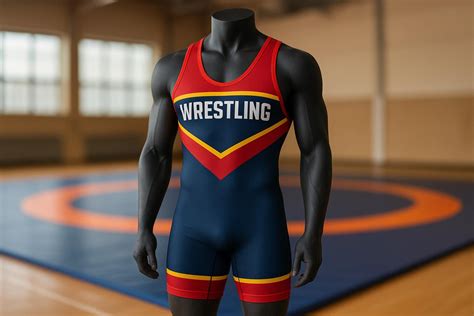
These changes are part of a broader effort to increase participation in wrestling nationwide. Recent years have seen the introduction of an optional two-piece uniform and modifications to weight classes to encourage more athletes to join the sport.
Read also: Discover the story of Casey Swiderski
Enforcement and Responsibility
One of the challenges in enforcing hair rules is ensuring consistent application, especially during weigh-ins and skin checks. Ideally, when a wrestler comes to weigh-ins, their hair should meet the hair rule, or they should have a hair cover. This year the wrestlers have the option of putting their hair up with a rubber band, non-abrasive and not a hard device such as beads. When the officials inspect the wrestlers at weigh ins the wrestler’s hair should not be touched or pulled down (toward their eyes). As long as the wrestler does not have an illegal substance (grease) the hair as we see it is all the official should go by.
The problem is that the official's don't get to see the kid's during weigh-in's and it's usually up to the club parents that are doing weigh-in's to decide if they need to cut their finger nails, cut their hair, and if they pass skin checks. This leads to problems when the officials see them on Saturday morning and see hair that is too long and tell a kid to cut it or not wrestle, "well they let me through skin checks last night", or "he's had it all year why are you telling us that now?". It is essential for clubs to communicate these rules effectively to athletes, ensuring they are aware of the requirements for hair length, facial hair, and appropriate attire.
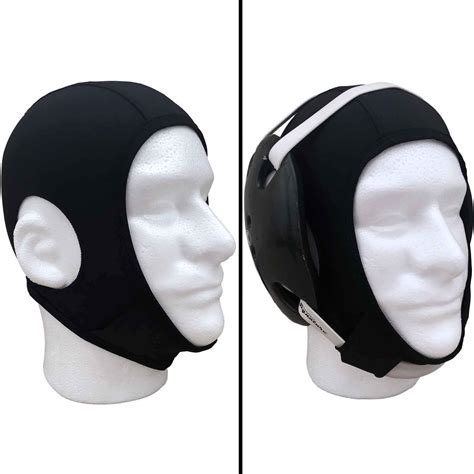
If a wrestler has facial hair, other than a neatly trimmed mustache that doesn’t extend below the lower lip, the only way the wrestler can have facial hair is if they wear a full-face mask. If a wrestler has hair on their chin, a chin cup on their head gear is not good enough to not have to shave.
College Wrestling: NCAA Rule Changes
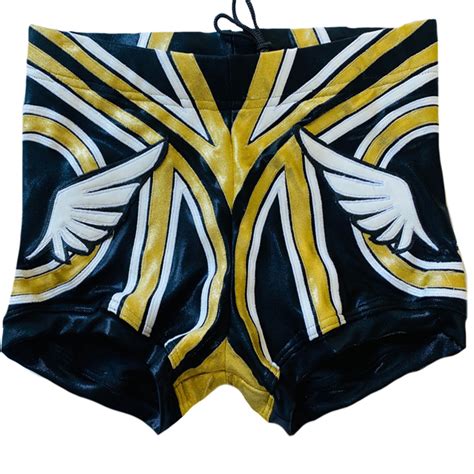
College wrestling has also seen changes to hair regulations. The NCAA oversight panel announced small rule changes Wednesday regarding stalling and hands-to-the-face. Wrestlers will also be allowed to wear shorts designed for competition, and all language regarding the length of a wrestler's hair has been eliminated from the official rulebook.
The changes will be in place for the upcoming season. Furthermore, the rule that prohibited a wrestler's hair from extending below the level of a shirt collar in the back and below the earlobes on the side has been eliminated. But athletes still will not be allowed to apply greasy substances or oil to their hair.
Read also: Sectional Wrestling Tournament Details
Previously, athletes could only wear skin-tight singlets. Wrestlers will also now have the option to wear a form-fitting shirt with looser shorts designed for wrestling.
Quick Wrestling Rules Video for New Parents
Diverse Perspectives on Hair Rules
The debate over hair rules in wrestling often involves diverse perspectives, ranging from safety concerns to individual expression and religious beliefs. Some argue that long hair can pose a safety risk, potentially getting caught or obstructing vision during a match. Others view hair as a form of personal identity and expression, advocating for more lenient rules that accommodate diverse hairstyles.
There are also concerns about religious accommodations. The rule also makes it so any wrestler who has facial hair for religious purposes does not have to feel separated.
The allowance of hair covers is seen by some as a fair compromise, allowing wrestlers to maintain their hair length while adhering to safety regulations. However, others argue that hair covers can be problematic and prefer the elimination of long hair altogether.
Read also: The story of Angelo Posada
Table: Summary of Hair Rule Changes in Wrestling
| Organization | Previous Rule | New Rule | Rationale |
|---|---|---|---|
| NFHS | Limited hair adornments; specific facial hair restrictions | Allows secure hair adornments; permits facial hair if it doesn't impede skin check | Increase inclusivity; minimize injury risk |
| NCAA | Hair length restrictions | No hair length restrictions; ban on greasy substances remains | Simplify rules; allow for personal expression |
Ultimately, the evolution of hair rules in wrestling reflects a broader trend toward inclusivity and athlete well-being. By adapting regulations to accommodate diverse hairstyles and religious practices, while still prioritizing safety, wrestling organizations aim to create a more welcoming and equitable environment for all participants.