Armbars are one of the most common submission techniques in the Brazilian Jiu-Jitsu (BJJ) game. The reason it is most common is that it is very effective, and chances for submission are very high once you have your opponent in your armbar technique. Another good thing about this technique is that you can apply it to your opponent from many positions. This makes the technique versatile and easy to apply if you have truly mastered the technique.
The armbar, also known as the “juji-gatame” in Japanese, is one of the most fundamental and effective submission techniques available in this grappling art. Like all techniques in BJJ, executing a successful armbar can be used to shut down even the biggest and strongest opponents. The armbar is a great submission because it has so many different variations from so many different positions. When you understand the concept of leverage when it comes to armbars, you begin to see them everywhere.
Armbar is the submission technique in Brazilian Jiu Jitsu in which you grab your opponent’s arm and hyperextend it. Hyperextend here means that you are extending your opponent’s arm beyond the normal range of motion of your opponent. It causes severe pain for your opponent, which causes them to submit. You can also squeeze your opponent’s arm against your body.
There are many variations of the armbar, and you can transition many positions or techniques to the BJJ armbar. Let's explore various armbar techniques, focusing on setups from the mount position.
Understanding the Mechanics of an Armbar
The elbow is a hinge joint designed to move primarily in one plane (bending and straightening). In BJJ, the principles of leverage and control allow fighters to hyperextend an opponent’s elbow joint, and they love using this move to force them to tap out. This is the classic method for executing an armbar.
Read also: Arm Bar Soap for Athletes
Hyperextending your opponent’s arm means that you are extending your opponent’s arm beyond the normal range of motion of your opponent. In this variation of the BJJ armbar, there is no hyperextension involved, but you are squeezing and pressing your opponent’s arms.
Armbar from the Mount Position
The mount is one of the most common positions in a BJJ game. If you have been stuck in the mount for a long period of time, then you know how frustrating it gets. In practicing mount escapes, it is likely you have been taught that when someone has you in the mount, it is not wise to try to push them up and off of you as it makes your arms extremely vulnerable to being attacked. So you can say this with the certainty that you can have your opponent in the mount position.
When attacking from the mount, chances are there are going to be times when your partner gets desperate and tries to push you off of them. It is important to have the proper techniques in your pocket to capitalize on arm attacks from this position depending on what your partner does. When you have your opponent in the mount position in the Brazilian Jiu Jitsu, you have to make the opponent raise their arms against you. You have to bait your opponent.
One way to do this is by applying chokes on your opponent. If you are in mixed martial arts, you can do this by striking your opponent in the face. When they have their hands on their face, this will be the time when you can grab their hands. So, as soon as they raise their hands on their face against your chokes (in BJJ) or strikes (in MMA), grab one of their hands. Grab your opponent’s hand with both of your hands. As you grab their hand, rotate your body and place your legs on your opponent’s head.
Kristian Woodmansee covers one of the most effective submissions from the top mount position - the armbar:
Read also: Complete Tysons-D.C. Travel
- Control One Arm at a Time: Learn the art of controlling your opponent's arms individually.
- Clearing the Elbow: Understand the crucial step of clearing your opponent's elbow across their body line.
- Heel-to-Butt Connection: Maintain a close connection with your heel to your opponent's butt as you transition from control to submission.
- Positioning and Finishing Mechanics: Explore the finer details of positioning your body for the armbar finish.
Remember, the armbar from top mount can be a potent weapon in your arsenal, but it requires precise control and technique.
Thomas begins this technique from the mounted position. Thomas reiterates that it is not smart for the person on the bottom to escape by trying to push on the top person, but they can still escape by doing so if it is not addressed properly. The person on the bottom is likely going to roll to the side when pushing to try and get to the top and retain their guard.
The first thing to do when your partner starts pushing is to use both of your arms as a base and walk and follow him in the direction he is pushing you. At this point his arms are likely still extended trying to push you off of him. From here you are going to use your arm which is closest to your partners head to trap his arm.
Once you have passed your leg over his head and you have his arm trapped, you can begin to roll to the side and over your hip. You may be able to finish the armbar from this position, but you may not be able to or your partner may try to roll to escape. When you land, you will have one leg over his body and the other still behind his head.
This technique is so important to drill because no one likes being in the mount and many people will start to buck and get wild when they have been stuck there for a while. This technique allows you to take advantage of your partner's attempted escape, and use his momentum against him.
Read also: Submitting from Mount
Jason begins by threatening a collar choke from the mount. As the opponent adjusts, space opens up under the elbow. He switches grips, keeping chest-to-elbow pressure to prevent the opponent from slipping free. With his weight balanced, Jason swings his leg around, pinches his knees together. The beauty of this setup is its simplicity: it begins with BJJ’s common collar choke attempt, which naturally opens the door for the armbar.
From the mount position, keep your knees wide and your arms away. Lift their head off the mat and slide your far side knee to the top of their head. Maintain control and walk your knees up, keeping your heel tucked tight. Hook their arm with your elbow and make your leg light by leaning towards their feet and posting your hand on the mat. To initiate the armbar, reach for your opponent’s head. Once their arm is trapped, fall back to add pressure and tighten the hold.
If your opponent defends their neck aggressively, their arms go wide and you can use a seatbelt grip to control your opponent. Maintain control by holding onto their hand and blocking with your forearm. Align your upper arm bone with their body so that no matter how hard they lean into you, it won’t affect your control. Ensure that your angle is 90 degrees or less and hold their wrist to prevent it from going low, and keep their elbow flared up.
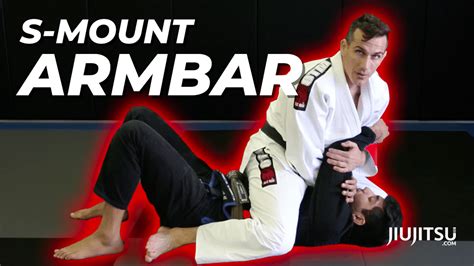
Armbar from mount technique
Additional Armbar Setups and Techniques
The method of applying the armbar depends on the position from which you are trying to apply the armbar on your opponent. Here are a few other positions where armbars can be effectively applied:
- Cutting Armbar from Guard: The BJJ armbar you can apply from the BJJ guard is known as the cutting armbar. In cutting armbar, you do not extend your opponent’s arm beyond their normal range of motion. Instead, you keep their arm against your body and then squeeze their arm (mostly forearm) against your body. This creates a huge pressure on your opponent’s arm, which results in pain for your opponent. BJJ cutting armbar is a very good technique for you if your opponent is keeping their elbows tight inside your guard. You have a great opportunity to apply for the BJJ cutting armbar if you have your opponent in BJJ closed guard.
- Armbar from Back Control: The back control is one of the most effective and easy positions for applying the BJJ armbar. The position can be achieved easily when you are applying some chokes on your opponent from their back. One of those chokes is the BJJ rear naked choke. When you are applying the BJJ rear naked choke, then your opponent will try to defend their neck. Your opponent defending their neck involves placing their hand on their face and neck. Grab your opponent’s hand, which is closer to your choking arm, trying to defend against the choke. After grabbing your opponent’s defending arm, isolate the arm from their body and take it closer to your body. Next, move your legs over your head. The BJJ armbar execution from back control is very effective.
- Shotgun Armbar from Knee-on-Belly: The armbar you apply from being in a knee-on-belly position against your opponent is known as the shotgun armbar. The setup is initiated from the knee on the belly position. Your opponent will be trying to get themselves free from the knee-on-belly position. While they are trying to get themselves free from the knee-on-belly position, you will surprise them with the BJJ armbar.
- Armbar from Kimura Lock: The Kimura lock is a very good position for applying the BJJ armbar. You are already playing with your opponent’s arms, shoulders, and wrists. Taking the position from Kimura lock to BJJ armbar is not a big deal.
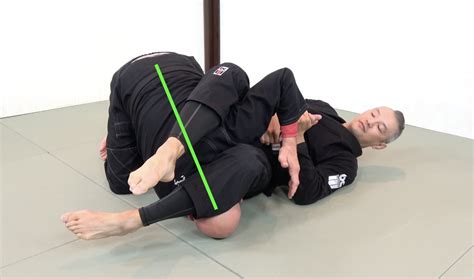
Different positions to apply the armbar
Defense and Escapes
It’s also important to understand how to defend against an armbar. Here are some tips:
- Control the Opponent’s Hands and Arms: If they cannot control your arm, they cannot successfully execute the armbar.
- Stacking: If your opponent has started to roll into the armbar, quickly stack them by driving your weight forward.
- Thumb Position: Rotate your thumb towards their legs (pointing your thumb up or away from their body) to relieve pressure on your elbow joint to buy yourself time. Work on pulling your arm out of their grip.
For this escape, let’s say you are in bottom cross side and your opponent launches an armbar on you. Control their leg, either by placing your hand underneath and hooking over the top, and then bring your feet over the top of their foot. If your opponent is lazy with their hips, bring your thumb to the hip you can see while running over their feet. More commonly,your opponent will stay tight with their knees to control you, in which case, you need to escape towards their back. As you roll, they will stay with you, using their knees for control. A rolling armbar is often initiated from positions like the turtle or when your opponent is transitioning from another move. Keeping a strong and stable posture can prevent your opponent from getting the leverage they need to roll and extend your arm.
Training and Practice
Once you understand how the armbar works, it’s time to start practicing it by drilling it repetitively - always with with a purpose. Do not view drilling as a mundane task. The next step once you have drilled the armbar technique thoroughly is to put your skills to the test in live sparring. Sparring or “rolling,” as it’s known in BJJ, is the crucible that sharpens your skills under the pressure of a real-life scenario.
Start with learning the basic armbar. Learn and practice how you can apply the armbar. Practice again and again until you become a master at it. Next, try to learn different variations of the BJJ armbar.
Roger Gracie teaches armbar from the mount
The armbar is a versatile and essential technique in Brazilian Jiu-Jitsu that is a cornerstone of any grappler’s arsenal. By understanding the mechanics, practicing various setups, and honing your defense and counter techniques, you can master the armbar and significantly enhance your BJJ skills.