Cardio kickboxing is rapidly gaining popularity as a group fitness class for individuals of all ages and fitness levels, and with good reason. This exhilarating workout merges martial arts techniques with cardiovascular exercise, offering a dynamic and enjoyable activity. If knee strikes, kicks, and punches sound like a blast, give this total-body workout a try. Cardio kickboxing not only delivers an exceptional aerobic workout but also enhances muscle tone in your arms, legs, and core. Additionally, it enhances coordination, balance, and overall fitness.
You'll typically take a group class, usually an hour long, at a kickboxing studio, gym, or rec center. You won't be fighting anyone (unless you're doing kickboxing moves in a martial arts class), but you'll kick and jab at the air and punching bags.
Why Choose Cardio Kickboxing?
Here are several compelling reasons to incorporate cardio kickboxing into your fitness regimen:
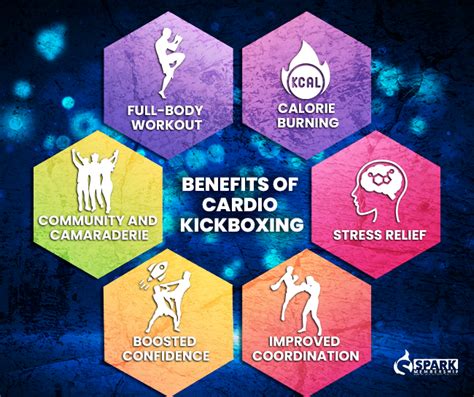
- Full-Body Workout: Cardio kickboxing offers a highly effective full-body workout, engaging every muscle group. This dynamic martial art incorporates powerful punches, kicks, knee strikes, and elbow strikes, activating upper and lower body muscles. The constant movement and fluid transitions ensure no muscle is left unengaged.
- Muscle Toning and Strength Building: Kickboxing offers a remarkable opportunity for muscle toning and strength building, making it a sought-after exercise for individuals looking to sculpt their physique. The diverse range of movements involved in kickboxing, from explosive kicks and powerful punches to swift defensive blocks, requires the activation of multiple muscle groups simultaneously.
- Improved Cardiovascular Health and Endurance: As the name suggests, cardio kickboxing primarily focuses on cardio exercises like punches, kicks, and knee strikes to elevate your heart rate. Regular participation in this high-energy fitness activity can lead to improved heart health, increased stamina, and better overall cardiovascular endurance.
- Stress Relief: The high-intensity nature of cardio kickboxing can serve as a great stress reliever. The physical exertion releases endorphins, the body’s natural mood enhancers, which can help reduce stress, anxiety, and improve overall mental well-being.
- Enhanced Coordination and Flexibility: Performing various punches, kicks, and defensive maneuvers in cardio kickboxing helps enhance your flexibility and coordination. Over time, you’ll notice improved balance and control in your movements.
- Learn Practical Self-Defense Skills: While cardio kickboxing is primarily a fitness-focused activity, you’ll still learn some basic self-defense techniques, which could be beneficial in real-life situations. Through the dynamic movements and techniques taught in kickboxing classes, you’ll gain a practical understanding of striking, blocking, and evasive maneuvers.
- Social Interaction: Cardio kickboxing classes are often instructor-led group fitness classes, providing an opportunity to meet new people and make friends! The group environment can make workouts more enjoyable and motivating.
Dance & Cardio Kickboxing Workout // Fun Low Impact Perfect for Beginners & Seniors
The Science Behind the Benefits
A 2014 study showed that participating in kickboxing three days a week for one hour at a time increased maximum oxygen uptake (VO2max). VO2max is the measurement of the maximum amount of oxygen you can use during physical activity. It’s an indicator of your cardiovascular endurance. The higher it is, the more efficiently your body is getting and using oxygen. In the same 2014 study, participants saw improved muscle strength in both the upper and lower body.
A small study that looked at the effects of kickboxing in people with multiple sclerosis (MS) showed that kickboxing three days per week resulted in improved coordination and balance. Though only 11 participants completed testing and training, the results of this study suggest that kickboxing may help improve reactive and anticipatory balance. This, in turn, could reduce your risk of falls as you age.
Read also: Cardio for Wrestling
Thirty participants were recruited to participate in a study to investigate the kickboxing training effects on different physical fitness variables among healthy adults. In order to eliminate any gender effect, only male subjects were recruited. The Subjects were randomly assigned to a kickboxing training group (n=15) or a control group (n=15). The kickboxing program was performed three times weekly without additional physical conditioning sessions for five weeks with each session lasting 1-hour with a qualified kickboxing coach.
The typical kickboxing training session was divided into 4 periods:
- Warm-up
- Three periods (∼11 minutes) divided into bouts of 2-min of specific kickboxing exercices interspersed with 1-min rest
- At the end of each period there was a 3-min interval of rest
To monitor the work intensity during the training session, participants’ heart rate was recorded using Polar Team System heart rate (HR) monitors, with HR recorded every 5 seconds.
The findings of the study revealed that 5-weeks of kickboxing training involved significant improvements in aerobic power (i.e., MAP and VO2MAX), anaerobic fitness (i.e., upper-body peak power and lower-body mean power during the Wingate test) as well as improvements in muscle power (force output during CMJ test, performance in medicine ball and bench press throw tests), sprint and agility and flexibility in comparison to baseline and control group values.
Here is a summary of the results:
Read also: The Benefits of Kickboxing for Women
| Variable | Kickboxing Group | Control Group |
|---|---|---|
| VO2MAX | Increased significantly | No significant change |
| Maximal Aerobic Power (MAP) | Increased significantly | No significant change |
| Upper-Body Wingate Test Peak Power | Increased significantly | No significant change |
| Lower-Body Wingate Test Mean Power | Increased significantly | No significant change |
| Flexibility | Increased significantly | No significant change |
Kickboxing can be good for your heart, joints, strength, balance, and coordination. Kickboxing makes you stronger, which can help prevent injuries in the first place. It's a great way to tame stress, too.

Is Cardio Kickboxing Right for You?
Kickboxing is usually safe for most people. But as with any sport that involves whole-body movements, kickboxing can cause injuries. A 2003 study that looked at the incidence of injuries in people who participate in kickboxing for fitness found the most common injuries to be strains of the shoulders, back, hips, knees, and ankles.
Is It Good for Me If I Have a Health Condition? If your doctor says it's OK for you, kickboxing is a great way to help manage many heart- and diabetes-related disorders. If you need to modify the moves, that's often possible. Let your instructor know.
Knee or back injuries can knock you out from kickboxing. Doing squats, twisting, and balancing on one leg can stress your back or aggravate a knee problem. If you're pregnant and you've been kickboxing, ask your doctor if it's OK for you to keep doing it.
Tips for Getting Started
If you’re new to kickboxing, you may find the following tips helpful:
Read also: Kickboxing in Buckhead
- Ease into kickboxing slowly to reduce your risk of injury.
- Consider your goals (for example, fitness, weight loss, or competition) when choosing a kickboxing class.
- Aim to participate in kickboxing at least three days per week for one hour at a time.
- Make sure to fuel up properly beforehand and stay hydrated while working out.
Many martial arts studios and gyms offer different levels of kickboxing classes. When looking for a kickboxing class, knowing what your goals are and being aware of your current physical health are important. Describe these things to potential instructors to make sure that you get what you need from your training.
It’s also a good idea to look into what gear you’ll need for kickboxing class. Some gyms may provide gear, so be sure to find out what’s included and what isn’t before shopping.
Necessary gear for kickboxing may include:
- Gloves
- Hand and ankle wraps
- A mouthguard
- Headgear
- Shin guards
Before you give kickboxing a try, talk to your doctor to see if they have any concerns. If you get the go-ahead, start by taking it slow. You and your instructor can modify kickboxing to meet your needs. Work at your own pace. Start slowly and drink water before, during, and after your workout. Listen to your body and don’t overdo it.
Kickboxing offers up a number of health benefits for people of all ages. Kickboxing can increase your stamina, strength, and overall fitness.
tags: #cardio #kickboxing #benefits