In recent years, martial arts have seen a significant surge in popularity worldwide. This growing interest transcends age, gender, and cultural boundaries, attracting a diverse range of enthusiasts. From traditional disciplines like Muay Thai and Judo to modern mixed martial arts (MMA), the appeal of martial arts lies in their holistic approach to physical and mental development. The widespread visibility of martial arts through movies, television shows, and competitive events has played a crucial role. Additionally, the increasing awareness of the benefits associated with martial arts practice, such as improved fitness, mental clarity, and self-defense skills, has captivated the attention of people looking to enhance their overall well-being.
Many times in your lifetime, you may have thought that you should start training in martial arts. The reasons can be many, depending on the time you are thinking. You may think to start martial arts by the cultural influence. The reason may be to get stronger or to win the street fighting. There can be many reasons but the thing is which martial art you should choose? This question may have often confused you. There are many martial arts, such as Brazilian Jiu Jitsu, Muay Thai, Boxing, and a lot of others. The list is long enough to make you confused.
Choosing your first martial art is the most important step as you are stepping for the first time in the journey of martial arts. You should keep in mind your purpose for selecting the martial arts. It will help you in choosing the right martial art. One martial art cannot be right for everyone. You have to keep yourself, your strengths, your weaknesses, the martial art you can easily access, the martial art for which you can make some time every day, and your purpose in your mind while selecting the first martial art. All these things are very necessary for you in choosing the perfect martial art that aligns with your goals and requirements.
Deciding to get into martial arts isn’t like joining other sports. When engaging in physical combat, there are multiple aspects to consider that go beyond simply picking up a sport such as baseball. Martial arts require a deeper level of commitment, discipline, and personal development, and there’s always a risk of harm.
When considering martial arts, how should we identify our goals? First, let’s focus on goal setting. We need to ask ourselves why we want to pursue martial arts. Is it for self-defense, fitness, or perhaps discipline? By clearly defining our motivation factors, we can choose a path that aligns with our personal ambitions. It’s essential that we remain honest and specific about what we want to achieve, as this clarity will guide our decisions and maintain our enthusiasm.
Read also: Individual Martial Arts Instruction
As we initiate the journey of martial arts, it’s vital to evaluate our physical condition to guarantee a safe and effective practice. Understanding where we stand physically helps us tailor our approach and choose suitable martial arts techniques. We should conduct fitness evaluation methods like measuring strength, flexibility, and cardiovascular endurance. These checks provide a thorough view of our readiness and areas requiring improvement.
Let’s explore the diverse world of martial arts by comparing their fighting techniques, from striking-focused styles like Muay Thai to grappling-centric disciplines such as Brazilian Jiu-Jitsu. We’ll also want to evaluate the training intensity each style demands, considering how they align with our fitness levels and goals.
As we explore different martial arts, it’s vital to reflect on how each fits into our lifestyle and schedule. We’ll want to evaluate the time commitment required, assess the physical demands of each discipline, and guarantee they align with our personal goals.
Visiting local martial arts schools is an essential step in finding the right fit for your training journey. We should start by scouting schools in our area and scheduling visits. Observing classes in progress gives us a feel for the atmosphere and teaching style of local instructors. Look closely at how they interact with students and the techniques they emphasize. An instructor’s approach can greatly influence our learning experience.
When seeking the right martial arts school, why not engage directly with the people who bring it to life? Speaking with instructors and students offers invaluable insights. Let’s ask instructors about their credentials to guarantee they’ve the expertise and experience we’re seeking. Their teaching style and philosophy can also markedly influence our learning journey.
Read also: The Jade Fortress Martial Arts System
Before committing to a martial arts school, let’s take advantage of introductory classes to get a firsthand feel of the environment and teaching methods. These classes are invaluable for evaluating whether the school’s vibe aligns with our personal goals. We’ll want to observe the class dynamics and how the instructor interacts with students. Are they attentive and supportive? Do they provide constructive instructor feedback to help us improve?
Evaluating costs and commitments is a crucial step in choosing the right martial arts school. We need to take into account both our financial limits and time availability to make a smart decision. Let’s start by doing a cost comparison between different schools. It’s important to look at tuition, equipment fees, and any other hidden costs.
If you’re considering stepping into the world of martial arts, you might find yourself asking, “What is the best martial art for beginners?” The truth is, there isn't a definitive answer. The best martial art for you depends on your personal goals, interests, and physical abilities.
Now let’s get into the nitty-gritty. Here are some basic martial arts styles as you set out on the journey of your own warrior path.
Popular Martial Arts Styles for Beginners
Choosing a martial art can be overwhelming, but focusing on well-known and practical styles can simplify the decision. Here are several martial arts that are excellent for beginners:
Read also: Deep Dive into Court Martial Films
- Muay Thai
Muay Thai emphasizes striking techniques using fists, elbows, knees, and kicks. One of the fundamental techniques is the roundhouse kick, which combines power and precision to deliver impactful strikes to the opponent.
Suitability for Beginners:
- Straightforward techniques
- Emphasis on practical self-defense
- Builds cardiovascular endurance, strength, and flexibility
- Quick grasp of basic movements
Is it for you? Muay Thai is one of the best martial arts for beginners as it contains a high-intensity workout that improves striking skills and overall fitness. It is ideal for those who enjoy dynamic training and are interested in learning effective self-defense techniques.
- Brazilian Jiu-Jitsu (BJJ)
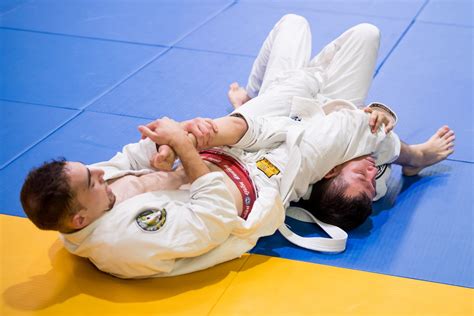
Brazilian Jiu-Jitsu (BJJ) focuses on ground fighting and submission holds. A key technique is the guard, where practitioners control their opponent from their back, setting up sweeps, submissions, and transitions.
Suitability for Beginners:
- Emphasis on technique over strength
- Effective regardless of size
- Collaborative training environment
- Fosters mutual improvement
Is it for you? If you prefer grappling over striking and enjoy a strategic, chess-like approach to martial arts, BJJ could be a perfect fit. It is suitable for those who appreciate a supportive community and the opportunity to develop problem-solving skills on the mat.
- Aikido
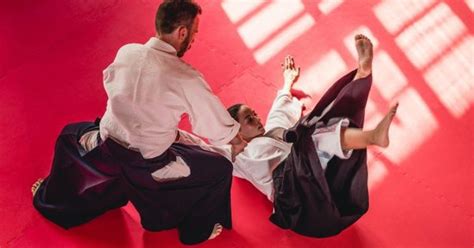
Aikido focuses on using an opponent’s energy against them, emphasizing joint locks and throws. One key technique is the ikkyo, a basic control that involves leading an attacker’s arm to off-balance and subdue them.
Suitability for Beginners:
- Non-aggressive philosophy
- Emphasis on harmony and fluid movements
- Techniques designed to be effective without causing injury
- Accessible for all ages and fitness levels
Is it for you? If you are looking for one of the best self defense martial arts, Aikido might be for you. It’s ideal for those who value physical and mental balance and wish to learn self-defense without causing harm.
- Judo
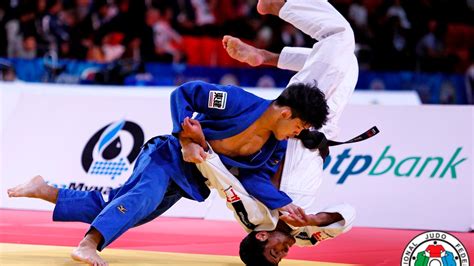
Judo emphasizes throws and ground control. A fundamental technique is the o-soto-gari, a major outer reap where the practitioner sweeps the opponent’s leg to throw them to the ground.
Suitability for Beginners:
- Structured training system
- Emphasis on safety
- Progressive learning of techniques
- Builds a strong foundation
Is it for you? If you enjoy physical contact and throwing techniques, Judo might be a good fit. It’s suitable for those who appreciate a systematic approach to learning and want to develop physical strength, balance, and coordination.
- Boxing
Boxing focuses on punches and footwork. A fundamental technique is the jab, a quick, straight punch used to maintain distance, gauge range, and set up combinations.
Suitability for Beginners:
- Straightforward techniques
- Emphasis on conditioning
- Improves cardiovascular health, hand-eye coordination, and overall fitness
- Quick learning of basic punches and defensive movements
Is it for you? If you want a high-energy workout that improves striking skills and cardiovascular fitness, boxing could be the right choice. It’s ideal for those who enjoy intense training sessions and want to develop quick reflexes and powerful punches.
- Karate
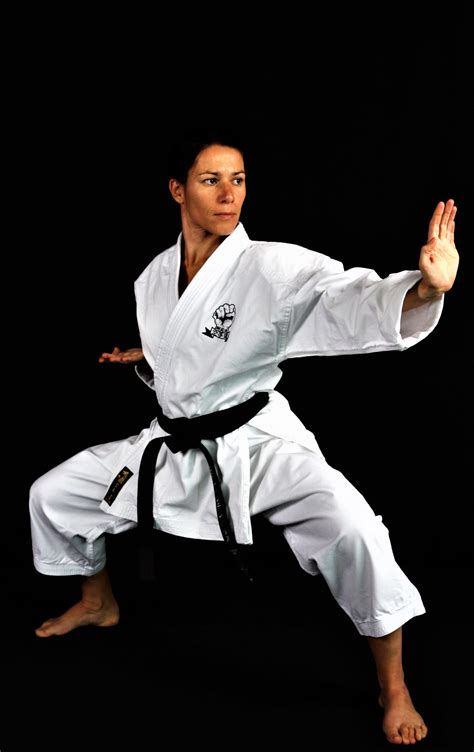
Karate is another type of martial art that emphasizes strikes using hands, feet, and elbows. A key technique is the front kick (mae geri), which is straightforward yet effective for self-defense and conditioning.
Suitability for Beginners:
- Structured approach
- Clear progression
- Effective and easy-to-learn techniques
- Accessible for all ages
Is it for you? If you are looking for a traditional martial art that emphasizes discipline, respect, and self-improvement, Karate might be suitable for you. It is ideal for those who value structured training and want to develop striking skills and physical fitness.
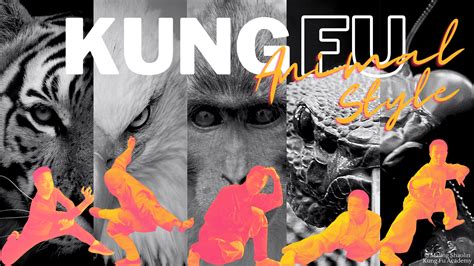
- Kung Fu
Kung Fu encompasses a wide range of styles and techniques, with a focus on fluid movements and strikes. A fundamental technique is the horse stance, which builds lower body strength and stability.
Suitability for Beginners:
- Diverse techniques
- Holistic approach
- Improves flexibility, strength, and coordination
- Progressive learning from basic stances to complex movements
Is it for you? If you appreciate a martial art with a rich cultural history and diverse techniques, Kung Fu might be a good fit. It’s ideal for those who enjoy a comprehensive approach to training that includes physical conditioning, mental discipline, and traditional practices.
- Tae Kwon Do
Tae Kwon Do emphasizes high, fast kicks and agile movements. A key technique is the roundhouse kick, which is powerful and versatile for both competition and self-defense.
Suitability for Beginners:
- Structured curriculum
- Clear, achievable goals
- Straightforward techniques
- Quick learning of basic kicks and forms
Is it for you? If you are looking for a martial art that emphasizes kicking techniques and agility, Tae Kwon Do might be the right choice. It’s ideal for those who enjoy dynamic, high-energy training and want to improve their flexibility and kicking power.


Benefits of Martial Arts
Martial arts offer a comprehensive array of benefits that cater to both the body and mind, making them an excellent choice for beginners with advantages that contribute to a healthier, more active lifestyle.
Physical Benefits
- Improved Cardiovascular Health: Martial arts training involves high-intensity workouts that boost heart health. Activities like sparring, drills, and conditioning exercises enhance cardiovascular endurance, lowering the risk of heart disease and improving overall heart function.
- Increased Strength and Muscle Tone: Regular practice of martial arts helps build muscle strength and tone. Techniques such as strikes, kicks, and grappling engage various muscle groups, promoting balanced muscle development and increased overall strength.
- Enhanced Flexibility: Martial arts require a wide range of motion, which improves flexibility. Stretching exercises and techniques like high kicks and grappling maneuvers help increase joint mobility and reduce the risk of injuries.
- Weight Management: The high-intensity nature of martial arts training burns calories effectively, aiding in weight management. Regular practice helps maintain a healthy weight by increasing metabolism and reducing body fat.
- Enhanced Stamina and Endurance: Consistent training improves stamina and endurance, allowing practitioners to perform physical activities for longer periods without fatigue. This increased stamina benefits daily life and other physical pursuits.
Mental Benefits
- Stress Relief: Martial arts provide an excellent outlet for stress relief. The physical exertion and focus required during training help release tension and clear the mind, promoting relaxation and reducing stress levels.
- Increased Self-Discipline: Martial arts emphasize discipline, respect, and self-control. Practitioners learn to set goals, adhere to training schedules, and push themselves to achieve milestones, fostering a sense of discipline that extends to other areas of life.
- Improved Focus and Concentration: The intricate techniques and strategies involved in martial arts require intense focus and concentration. Regular practice enhances cognitive function, improving the ability to concentrate and stay attentive.
- Boosted Self-Confidence: Achieving new skills and overcoming challenges in martial arts builds self-confidence. As practitioners progress through their training, they gain a sense of accomplishment and self-assurance that positively impacts their overall self-esteem.
| Martial Art | Key Technique | Suitability for Beginners | Focus |
|---|---|---|---|
| Muay Thai | Roundhouse Kick | High | Striking, Self-Defense |
| Brazilian Jiu-Jitsu | Guard | Medium | Grappling, Submissions |
| Aikido | Ikkyo | High | Joint Locks, Throws |
| Judo | O-Soto-Gari | High | Throws, Ground Control |
| Boxing | Jab | High | Punches, Footwork |
| Karate | Mae Geri (Front Kick) | High | Strikes, Discipline |
| Kung Fu | Horse Stance | Medium | Diverse Techniques, Holistic |
| Tae Kwon Do | Roundhouse Kick | High | Kicks, Agility |
For beginners, the journey into martial arts is not just about learning techniques but also about personal growth and empowerment. Each step forward in training builds confidence and self-assurance, creating a foundation for success in various aspects of life.
Whether you’re looking for self-defense, physical fitness, or tournament competition, there’s a martial art out there that’s perfect for you. Starting a martial art is about matching it to your interests and life. Ask yourself what you’re after: fitness, self-defense, or maybe discipline? Think about the time and effort you can invest. It’s also crucial to feel good about where you learn and who teaches you.
Choosing the right martial art involves setting clear goals, evaluating our physical condition, and checking out different styles. We examine our schedule to guarantee a good fit with training, then visit local schools, observing the environment and chatting with instructors and students. Intro classes help us get a feel for the style and costs. It’s important to align our choices with lifestyle and commitment levels. By taking these steps, we uncover the perfect martial art journey.
A new year often brings a renewed sense of motivation to take on challenges and work toward self-improvement. One of the best ways to harness this energy is by stepping into the world of martial arts. For beginners, deciding where to start can feel daunting, especially with so many options available. However, focusing on popular and practical martial arts like Brazilian Jiu-Jitsu, Wrestling, Muay Thai, Boxing, and MMA can simplify your decision. Each of these disciplines offers unique benefits, catering to different goals and preferences.
As we go into the 3rd month of 2025, prioritizing fitness is at the forefront of many resolutions. Martial arts offers a dynamic and engaging way to stay active while learning valuable skills. Unlike monotonous gym routines, martial arts combine functional movements with real-world applications, keeping your fitness journey exciting and purposeful.
Training sessions naturally integrate strength, stamina, and flexibility, ensuring that you’re improving holistically. Martial arts is much more than physical combat; it’s a holistic practice that combines fitness, discipline, and mental toughness. For many, martial arts provide a sense of purpose and direction. The ability to defend oneself is a compelling reason to start, but the benefits go far beyond. Training in disciplines like BJJ or wrestling develops resilience and problem-solving skills as you learn to adapt to your opponent’s movements. Muay Thai and boxing emphasize precision and timing, building focus and coordination. MMA, a hybrid of all these styles, demands versatility, pushing practitioners to develop a well-rounded skill set.
Selecting the right martial art often comes down to your goals and interests. Brazilian Jiu-Jitsu is an excellent choice for those who enjoy grappling and want to learn how to control opponents through leverage and technique. It’s particularly suited for individuals who prefer a non-striking approach to self-defense. Wrestling is ideal if you’re drawn to explosive movements and want to develop a foundation in takedowns and control. For those who prefer striking, boxing offers a focused and technical way to develop hand speed, power, and defensive skills, while Muay Thai adds an extra layer of complexity with kicks, knees, and elbows.
Attending trial classes can help you get a feel for each discipline. Many gyms offer beginner-friendly sessions where you can experience the training style, interact with instructors, and understand the gym’s culture.
When deciding which martial art to pursue, several factors should guide your choice. First, think about your fitness level and physical condition. Brazilian Jiu-Jitsu and wrestling can be physically demanding, requiring flexibility and core strength, while boxing and Muay Thai emphasize speed and endurance. MMA, given its comprehensive nature, demands a balance of both.
Another important consideration is your long-term goals. Choosing martial arts like Brazilian Jiu-Jitsu, wrestling or MMA are excellent choices as they are typically used for their effectiveness in sport or self-defense scenarios. Regardless of your level, you will find a lot of value in these styles.
Time commitment and gym availability are also significant factors. Lastly, consider the gym’s environment and the instructor’s approach. A welcoming and supportive atmosphere is crucial, especially for beginners.