Filipino Martial Arts (FMA) is a traditional fighting system that originated in the Philippines. The Filipino Martial Arts (FMA) is the umbrella term for the various ancient and newer fighting methods devised in the Philippines. The most popular forms of which are known as Arnis/Eskrima/Kali. It is known for its use of both armed and unarmed combat techniques, encompassing a range of skills to both protect themselves and their families, as well as develop their own personal growth. FMA has its roots in defending the property of the family and especially the members of the family.
The history of Filipino martial arts is often traced back to the Philippine Islands’ history of colonization and conflict. It is not just a physical activity, but also an all-encompassing approach to self-defense that includes weapons, spiritual practices, and mental training.
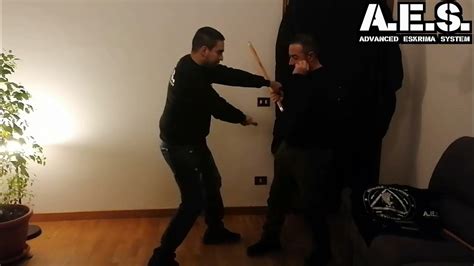
Origins and Evolution
The earliest recorded mention of Filipino martial arts dates back to the 15th century when Spanish explorer Miguel Lopez de Legazpi observed local tribesmen using sticks and knives in combat. The indigenous martial art that the Spanish encountered in 1610 was not yet called "eskrima" at that time. During those times, this martial art was known as paccalicali-t (pronounced as pakkali-kalî) to the Ibanags, did ya (later changed to kabaroan) to the Ilokanos, sitbatan or kalirongan to Pangasinenses, sinawali ("to weave") to the Kapampangans, calis or pananandata ("use of weapons") to the Tagalogs, pagaradman to the Ilonggos and kaliradman to the Cebuanos.
Another origin of arnis can be traced back to native "Pintados" or then "Tintadus" fighting techniques during conflicts among the various Prehispanic Filipino settlements, though the current form has Spanish influence from old fencing which originated in Spain in the 15th century. It has also been theorized that the Filipino art of arnis may have roots in India and came to the Philippines via people who traveled through Indonesia and Malaysia to the Philippine islands. Silambam, a stick/staff-based ancient martial art of India influenced many martial arts in Asia like silat. When the Spaniards first arrived in the Philippines, they already observed weapons-based martial arts practiced by the natives, which may or may not be related to present-day Arnis.
In 1521, Ferdinand Magellan was killed in Cebu at the Battle of Mactan by the forces of Datu Lapulapu, the chief of Mactan. Some Arnisadors hold that Lapulapu's men killed Magellan in a sword-fight, though historical evidence proves otherwise. Due to the conflict-ridden nature of the Philippine archipelago, where settlements (Kedatuans, Rajahnates and Sultanates) were often at war with one another or raiding each other, warriors were forged in the many wars in the islands, thus during the precolonial era, the geographical area acquired a reputation for its capable mercenaries, which were soon employed all across South, Southeast and East Asia.
Read also: Individual Martial Arts Instruction
Opinions differ on the degree to which Spanish rule in the Philippines affected Arnis. The fact that a large number of techniques and the names of the arts themselves (arnis/arnes, eskrima/esgrima, garrote, estoque, etc.) have Spanish names suggest an influence. Filipino espada y daga differs somewhat from European rapier and dagger techniques; the stances are different as weapons used in Arnis are typically shorter than European swords. After the Spanish colonized the Philippines, a decree was set that prohibited civilians from carrying full-sized swords (such as the Kris and the Kampilan). Despite this, the practitioners found ways to maintain and keep the arts alive, using sticks made out of rattan rather than swords, as well as small knives wielded like swords.
Also as a result, a unique and complex stick-based technique evolved in the Visayas and Luzon regions. Although Arnis combines native fighting techniques with old Spanish fencing and other influences, a degree of systematization was achieved over time, resulting in a distinguishable Philippine martial art. With time, a system for the teaching of the basics also evolved.
The Philippines has what is known as a blade culture. Unlike in the West where Medieval and Renaissance combative and self-defense blade arts have gone almost extinct (having devolved into sport fencing with the advent of firearms), blade fighting in the Philippines is a living art. Local folk in the Philippines are much more likely to carry knives than guns. They are commonly carried as tools by farmers, used by street vendors to prepare coconuts, pineapples, watermelons, other fruits and meats, and balisongs are cheap to procure in the streets as well as being easily concealed.
Americans were first exposed to Arnis during the Philippine-American War in events such as the Balangiga massacre where most of an American company was hacked to death or seriously injured by bolo-wielding guerillas in Balangiga, Eastern Samar - and in battles in Mindanao, where an American serviceman was decapitated by a Moro warrior even after he emptied his .38 Long Colt caliber revolver into his opponent. That and similar events led to the request and the development of the Colt M1911 pistol and the .45 ACP cartridge by Col. John T.
With regards to its spread outside the Philippines, Arnis was brought to Hawaii and California as far back as the 1920s by Filipino migrant workers. Its teaching was kept strictly within Filipino communities until the late 1960s when masters such as Angel Cabales began teaching it to others. In recent years, there has been increased interest in Arnis for its usefulness when defending against knives in street encounters. As a result, many systems of Arnis have been modified in varying degrees to make them more marketable to a worldwide audience. Usually this involves increased emphasis on locking, controls, and disarms, focusing mainly on aspects of self-defense. However, most styles follow the philosophy that the best defense is a good offense.
Read also: The Jade Fortress Martial Arts System
Arnis was first introduced in 1969 to some public and private school teachers when Remy Presas taught his personal style of Arnis which he called "Modern Arnis". He taught his own style to the students of the National College of Physical Education (NCPE) when he was given the chance to teach there. The style "Modern Arnis" is not synonymous with the concept of modern or contemporary Arnis, where it has become a full blown sport embraced by the Department of Education, although there are some similarities.
Due to the tradition of teaching FMA among family members, (often in secrecy, especially during the occupation by Spain) the FMA have been often been given various names that reflect a focus on particular skill set or family name. Thus, among the 3 main names mentioned above, the FMA styles include Arnis de Mano, Pananandata (use of weapons), Sinawali, Sitbatan, Kabaroan, Kaliradman, Pagaradman and Kalirongan. Due to the geographical location of the Philippines, and the contact with nearby countries' foreign traders, and conquerors, the FMA have been influenced by various degrees by Indonesian, Malaysian, Bruenei, Chinese, India, Arab, and Spanish martial arts.
In 1521, Portuguese explorer Ferdinand Magellan arrived in the Philippines and claimed the islands for Spain. However, colonization really began when Spanish explorer Miguel López de Legazpi arrived from Mexico in 1565 and formed the first European settlements in Cebu. After putting down native resistance and defeating a Chinese warlord Limahong, the Spanish ruled the majority of the Philippine until 1821. In order to pacify the citizens and make rule easier, the Spanish outlawed martial arts, "disarmed" the populace, and converted the most of the lowland people to Christianity. However, the Southern Philippines with the Moros were never really conquered by the Spaniards or the Americans; nor the Northern mountains of Luzon with their feared headhunter tribes so they kept their weapons and their fighting skills.
Finally, the old FMA masters & instructors resorted to taking their art "underground," and continued to secretively teach their precious art to their family and trusted students in jungles, beaches, and wherever they could be safely out of eye of the Spaniards. Thus, even when fighting systems were outlawed by the Spaniards, Filipinos still were able to maintain their centuries-old relationships with blades and blade fighting techniques.
It is often said that their are almost as many Filipino fighting styles, as there are islands in the Philippines. Filipino martial artists are noted for their ability to fight with weapons or empty hands interchangeably and their ability turn ordinary household items into lethal weapons.
Read also: Deep Dive into Court Martial Films
Core Concepts and Techniques
Weapons-training takes precedence because they give an edge in real fights, gears students to psychologically face armed opponents, and any object that can be picked up can be used as a weapon using FMA techniques. Since the weapon is seen as simply an extension of the body, the same angles and footwork are used either with or without a weapon. FMA students usually start their instruction by learning to fight with weapons, and only advance to empty-hand training once the stick and knife techniques have been sufficiently mastered. This is in contrast to most other well-known Asian martial arts but it is justified by the principle that bare-handed moves are acquired naturally through the same exercises as the weapon techniques, making muscle memory an important aspect of the teaching.
Many systems begin training with two weapons, either a pair of sticks or a stick and a wooden knife. These styles emphasise keeping both hands full and never moving them in the same direction, and trains practitioners to become ambidextrous. For example, one stick may strike the head while the other hits the arm. A core concept and distinct feature of Filipino martial arts is the "Live Hand." The live hand is the opposite hand of the practitioner that does not contain the main weapon. The heavy usage of the live hand is an important concept and distinguishing hallmark of Eskrima. Even (or especially) when empty, the live hand can be used as a companion weapon by FMA practitioners.
The usage of the live hand is one of the most evident examples of how FMA 's method of starting with weapons training leads to effective empty hand techniques. most common is a rattan stick for training, and harder denser woods like Kamagong or bahi are use for actual defense. These hardwoods are generally not used for sparring, however, as they are dense enough to cause serious injury, but traditional sparring does not include weapon to body contact. sarong/malong (a length of fabric worn around waist or over shoulder), ekut (handkerchief), tabak-toyok (chained sticks/flail i.e. Yaw-Yan or Sayaw ng Kamatayan - closely resembles Muay Thai, but differs in the hip-torquing motion as well as the downward-cutting nature of its kicks, and the emphasis on delivering attacks from long range (while Muay Thai focuses more on clinching).
Here's a summary of key components:
- Weaponry (Sticks & Blades): Training commonly begins with rattan sticks (baston), serving as a safe and effective tool to learn angles of attack and defense. As practitioners advance, they delve into blade techniques, using training knives and swords to hone precision and control.
- Empty-Hand Techniques: While weapons are central, Kali also provides a comprehensive array of empty-hand techniques, including striking, grappling, and joint locks. These are vital for situations where weapons are unavailable or disarming an opponent is necessary.
- The Live Hand: A unique concept in Kali is the use of the “live hand” - the hand not holding a weapon.
- Angles of Attack and Defense: Kali places significant emphasis on understanding and reacting to various angles of attack.
- Flow and Adaptability: Kali is characterized by its fluid, dynamic movements, which allow for seamless transitions between techniques and ranges of combat.
The Philippine government made the FMA a national sport in 1972, and incorporated it into the physyical education curriculum for high school and college students. Knowledge of FMA is mandatory for Philippine military and police force.
ARNIS BASICS!
Kali martial arts, also known as Eskrima or Arnis, is a Filipino martial art that has been practiced for centuries. It has evolved over time, incorporating various influences and techniques from other martial arts styles. As Kali spread beyond the Philippines, it began to incorporate influences from other martial arts styles. One of the most significant influences was the Chinese martial art of Wing Chun, which was introduced to the Philippines by a Chinese immigrant named Yim Wing Chun. Wing Chun influenced the development of Kali’s empty-hand techniques, including trapping and sensitivity drills. Other martial arts styles that influenced Kali include Judo, Jiu-Jitsu, and Muay Thai.
In recent years, Kali has continued to evolve and adapt to modern times. Some practitioners have focused on developing Kali’s grappling and ground-fighting techniques, while others have incorporated elements of modern weapons like firearms. Additionally, Kali has gained popularity as a sport, with tournaments and competitions held around the world. These competitions often focus on the stick-fighting aspect of Kali, but may also include empty-hand techniques and other weapons.
At the heart of Kali lies its distinctive approach to training and combat. Its adaptability and effectiveness ensure its continued relevance in the modern world. Eskrima, Arnis and (in the West) Kali are umbrella terms for the traditional martial arts of the Philippines that emphasize weapon-based fighting with sticks, knives and other bladed weapons, and various improvised weapons. It also includes hand-to-hand combat and weapon disarming techniques.
Besides sticks, bows and arrows, the early Filipinos were experts in bladed weapons. This was especially true in Southern Philippines, which has influence from Indonesia and more remotely from Thailand and Malaysia. The Muslims in Southern Philippines have a remarkable history of victories against foreign invaders, including Spaniards, Americans and Japanese.
Benefits of Practicing Kali
There are many benefits to practicing Kali martial arts, including:
- Improved fitness and physical conditioning
- Increased hand-eye coordination and reflexes
- Enhanced mental focus and discipline
- Practical self-defence skills
Kali’s emphasis on weapons-based fighting also makes it a fun and engaging way to stay active and learn new skills. Whether you’re looking to improve your fitness, develop practical self-defense skills, or simply explore a fascinating martial art with a rich history, Kali is an excellent choice.
Consistent Kali training offers benefits like improved physical fitness and mental clarity. Training with martial arts Kali sticks improves strength, coordination, and endurance. Beyond physical fitness, Kali training enhances mental discipline. It requires constant focus and strategic thinking.
Kali provides highly practical and effective techniques adaptable to real-life situations, emphasizing awareness, adaptability, and efficiency. For beginners, consistent and dedicated practice is key to developing proficiency. Start with basic drills, focusing on proper footwork, and practicing techniques slowly to refine movements before gradually increasing speed to simulate more realistic scenarios. Sparring, typically starting with foam or padded sticks, allows practitioners to apply techniques safely and develop timing and distance management.
Here's a table summarizing the benefits of Kali training:
| Benefit | Description |
|---|---|
| Improved Physical Fitness | Enhances strength, coordination, endurance, and flexibility. |
| Mental Discipline and Focus | Requires constant focus and strategic thinking, improving mental agility. |
| Practical Self-Defense Skills | Provides effective techniques adaptable to real-life situations, emphasizing awareness and efficiency. |
| Cultural Connection | Connects individuals to Filipino history and cultural heritage. |
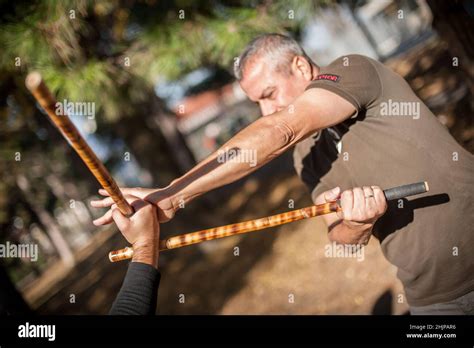
Martial Arts Kali Sticks Techniques
Kali sticks have a long history in Filipino martial arts. These sticks are known for their flexibility and are used to teach important skills like speed, focus, and control. Learning kali stick techniques takes practice and effort. The training includes strikes and defense moves that improve hand-eye coordination, quick reactions, and overall strength. Kali stick training is not just about fighting-it’s great for your health too. It helps you stay fit, improves your focus, and teaches self-defense skills.
Design and Materials
Understanding the design and materials of Kali sticks is key for practitioners. These attributes impact their performance and effectiveness in combat.
Kali sticks are typically made from durable materials like rattan, which is lightweight yet strong. They usually measure between 28 to 32 inches long.
Foundational Techniques
Learning foundational Kali stick techniques is essential as they form the base for advanced skills. Practicing with proper form improves control, precision, and performance.
Beginners in Kali should focus on mastering their stances and footwork, as these provide essential balance and power. Rhythm plays a vital role in Kali, similar to a dance where smooth movement enhances the effectiveness of techniques.
Training Methods
Regular training sessions and drills enhance not only physical abilities but also mental acuity and focus. Solo drills focus on improving your technique and speed. Partner exercises, on the other hand, help you apply what you’ve learned in a more dynamic setting. Shadow fighting allows you to visualize an opponent while practicing your techniques.
Sparring is a key aspect of martial arts Kali sticks. Engaging in sparring allows practitioners to put their skills to the test while gaining confidence in their abilities. Competitive settings provide valuable experience and feedback that can’t be replicated in solo practice.
Sparring Rules and Etiquette
Sparring sessions have specific rules to ensure safety. Always wear protective gear and respect your opponent.
Kali Sticks vs. Other Martial Arts Weapons
When comparing martial arts Kali sticks with other martial arts weapons, it’s evident that Kali sticks have unique characteristics. Understanding these differences can help practitioners appreciate the distinct qualities that Kali brings to the martial arts landscape. Exploring various weapons can also enhance overall combat capabilities and flexibility in different scenarios.
Kali in Self-Defense
Kali sticks are highly effective in self-defense, as their techniques are adaptable to real-world situations. Practitioners develop skills to assess threats and respond dynamically in emergencies.
Kali as Cultural Heritage
The significance of martial arts Kali sticks extends beyond physical training; they embody rich cultural heritage. Practicing Kali connects individuals to a history that spans centuries, fostering pride in one’s cultural identity.
Incorporating Kali into Fitness Routines
Want to spice up your fitness routine? Integrating Kali stick training into fitness routines provides a unique and engaging way to stay active. The combination of martial arts techniques and physical conditioning creates a well-rounded approach to fitness that enhances both strength and stamina.
Resources for Learning Kali
If you’re looking to start or deepen your knowledge of martial arts, Kali sticks, there are plenty of resources out there. Utilizing a variety of learning tools can enhance the journey of mastering Kali sticks. From books to online tutorials, many resources are available to suit different learning styles.
The Future of Kali Sticks
As time moves on, the practice of Kali sticks will likely continue to evolve. The dynamics of martial arts constantly change due to innovations in training and combat styles influenced by contemporary needs. Embracing new technology and teaching methodologies promises to introduce Kali sticks to an even wider audience.
tags: #philippines #martial #arts #kali